Mauritius Travel Tips: Avoid the Mistakes We Made
Mauritius Travel Tips and Useful Questions Answered
We had our tickets booked, our accommodation locked in, and even arranged for our motor scooters to be dropped off at the airport the moment we landed. You’d think, after all the travel we’ve done, we’d have it down to a science by now.
But after bouncing around Europe for so long, where crossing borders barely required a blink and the same currency worked almost everywhere, we’d gotten a little too comfortable. Our travel guard was down.
A couple of days before takeoff, it hit us. Wait… do we need a visa? Should we get a SIM e-card? What’s the best way to pay without getting burned on exchange rates?
Some of these things we scrambled to figure out before we left. Others? We learned the hard way — Let’s just say: next time, we’d prep a whole lot differently.
And that’s exactly why I’m sharing this with you. Keep reading for the tips we wish we had before we headed to Sir Seewoosagur Ramgoolam International Airport — so you can skip the guesswork and head straight for the good stuff.
Disclaimer: This post may contain affiliate links. If you make a purchase or booking through one of our links we may earn a small commission (don’t worry, it’s at no extra cost to you).
Mauritius Travel Tips Before You Go
Let’s kick start off with the kind of stuff no one wants to deal with — paperwork, currency, logistics. Not the most exciting, but this is the kind of prep that saves you headaches later.
You don’t want to end up like us — checking the last minute if we needed a visa, and rushing to sign up for a Revolut card just so we could pay in local currency and avoid those awful exchange rates.
1. Which months is the best to visit Mauritius?

The best month to head to tropical island depends on what you are aiming for. Do you want sunshine-and-cocktails-on-the-beach? Or do you picture yourself hiking up volcanic peaks and swimming under waterfalls? Or maybe you are looking for a sweet deal without the chaos of peak tourist season?
Here’s the real-deal breakdown:
If you want the best of everything — warm temps, fewer crowds, and reasonable prices — plan to go in April, or the sweet spot between October and early November. These shoulder seasons are the best.
- The skies are mostly clear, the beaches are perfect, and you’ll avoid both the stifling heat of mid-summer and the wet cyclone season.
- Temps hover around 84°F / 29°C, and together with the ocean breeze this feels like a warm hug.
- It’s easier to score better accommodation deals and find quiet corners of paradise without the tourist crowds.
Want to find out when you should visit Mauritius? Have a look at our post where we share the best time to visit this paradise island depending on what you wish to do.
2. Mauritius has a Cyclone Season
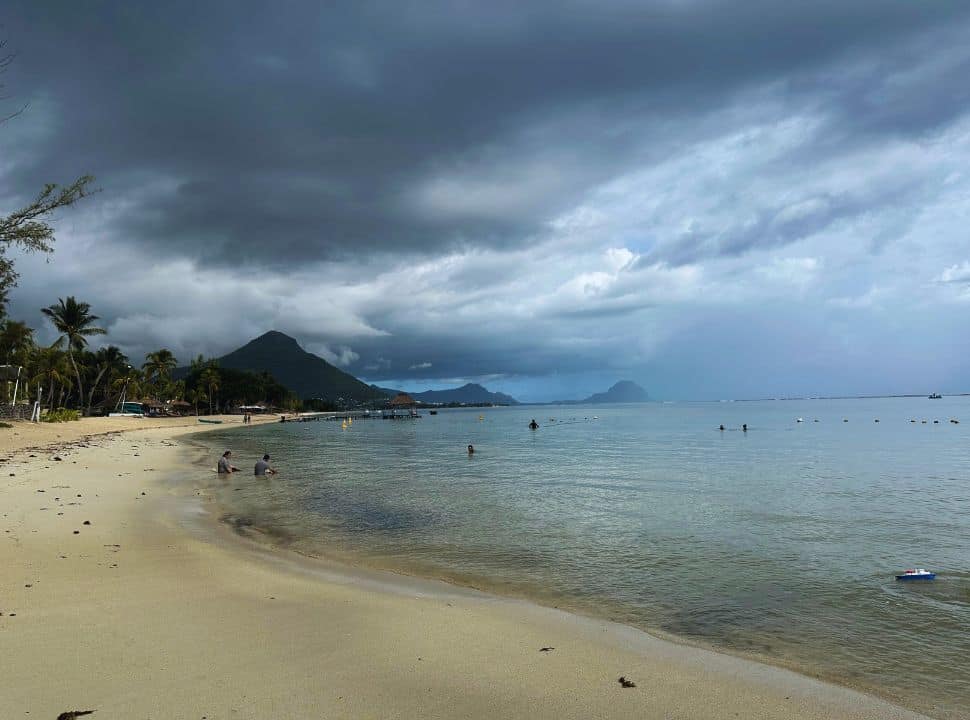
Avoid mid-January to March if you can — that’s when cyclone season peaks, and
Mauritius might look like paradise — and honestly, most of the time it is — but from mid-January to March, things can take a turn. That’s cyclone season, and while while it’s not all doom and gloom, the weather gets moody, the sea can get rough, and outdoor plans might need rescheduling.
When it hits hard ferries get canceled, beaches close, roads flood, and the rain isn’t your average tropical sprinkle.
Cyclones can cause airport closures and flight delays or cancellations.
Check that your travel insurance covers this, keep your airline updated with your contact info, and always confirm your flight before heading to the airport.
We weren’t there during peak cyclone season, but we did get a taste of how intense things can get.
On the day we moved from Flic en Flac to Pereybere, the skies opened up. Torrential rain, heavy winds, and a long, wet journey that left us completely drained. Shops and most restaurants were even closed. And when we finally made it to our guesthouse, the owner casually mentioned that even schools had closed for the day — apparently, that’s the norm in weather like that.
So yes, even without a full-blown cyclone, the island can kind of shut down when bad weather rolls in.
Moral of the story? If you’re visiting between January and March or in months that it can rain more, stay flexible. Have a few indoor activities up your sleeve, keep an eye on local weather apps, and maybe don’t plan big transfers on stormy days.
3. What are the Passport and Visa Requirements for Mauritius?
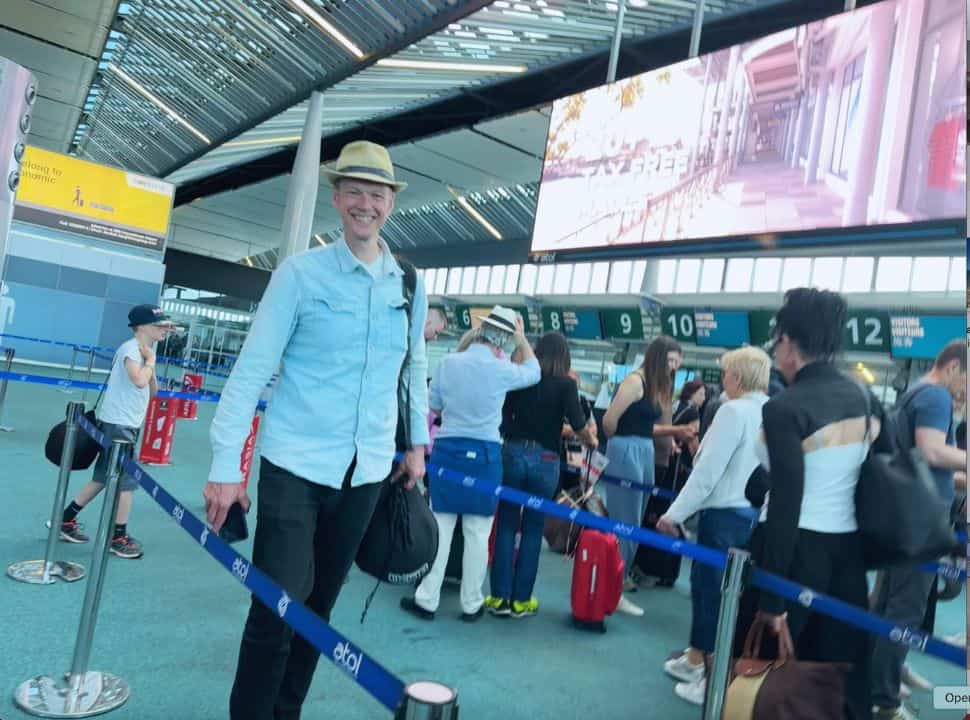
Good news: Mauritius keeps things pretty hassle-free when it comes to entry requirements.
Here’s what you need to know:
- Your passport should be valid for at least 6 months beyond your travel dates.
- Visa-free entry is available for a lot of travelers — including those from the US, UK, EU, and many other countries. Depending on where you’re from, you’ll get 60 to 90 days to soak up the sunshine without needing to lift a finger in advance.
- Some nationalities may need a visa on arrival (valid for 60 days), and a few others do need to sort a visa before flying out.
Honestly, it’s super straightforward, but the rules do change occasionally. Double-check the official Mauritius Passport & Immigration website here for the latest info. Heads up: the site can be a bit slow to load, so pour yourself a coffee and be patient.

Immigration at Sir Seewoosagur Ramgoolam International Airport
When we went through immigration at the airport, the officer didn’t just glance at our passports and wave us through. She asked a few extra questions — like how long we were staying and where exactly we’d be staying.
Of course, right at that moment, my Booking.com app wouldn’t load because we hadn’t picked up a local SIM card yet. Classic. Luckily, I had written everything down the old-school way (yep, pen and paper!), so I could give her the info without fumbling.
I’ve also heard they sometimes ask for proof of sufficient funds — she didn’t ask us, but it’s smart to be prepared, just in case. A quick screenshot of your bank balance or a printed statement should do the trick.
Moral of the story? Have your key travel info easily accessible — either saved offline or written down. It’ll save you stress if tech fails you at the worst moment.
4. What’s the Currency in Mauritius?
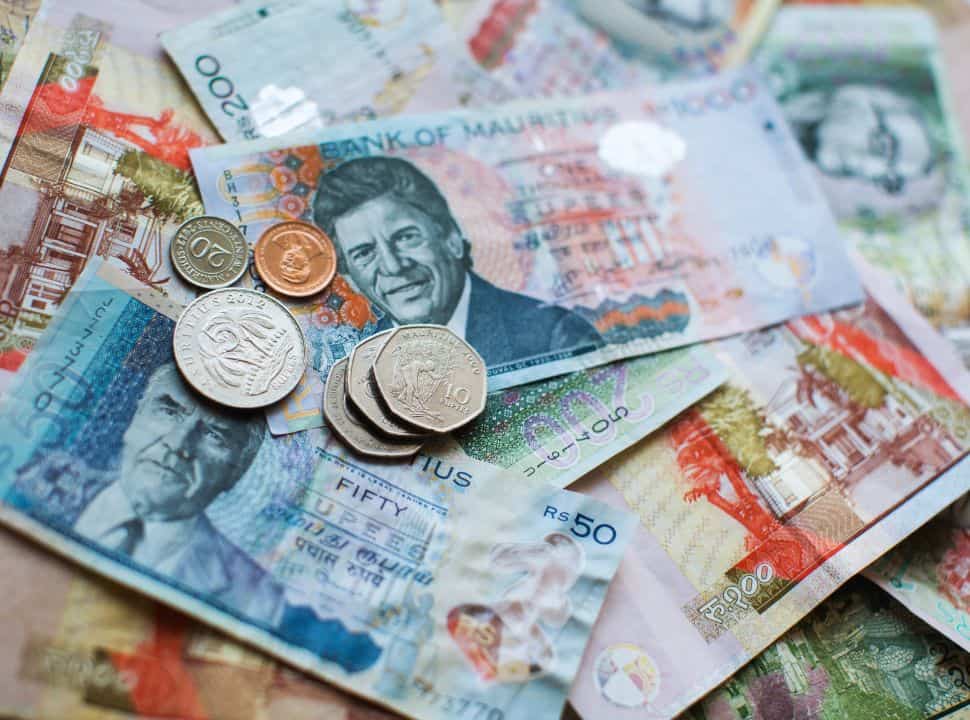
The local currency is the Mauritian Rupee (MUR). As of 2025, the exchange rate is roughly:
1 USD = 45.13 MUR
1 EUR = 52.90 MUR
You don’t have to arrive in Mauritius with pockets full of cash, but it’s smart to hit the ATM as soon as you land. You’ll find ATMs at the airport, in most towns, and near resorts. And while card payments are common, cash will always win in a lot of situations — especially when it comes to taxis, small shops, and local services. If you haven’t prepaid your accommodation, tours, or scooter rental, you’ll likely need (lots of) cash too.
That said, cards are widely accepted, and we used our Revolut card for supermarkets, restaurants, and other daily expenses. The only hiccup? We didn’t bring our physical Revolut card — just the app. And yep, some machines didn’t play nice with contactless payments. So if you’re using a digital card, don’t forget to pack the real thing too.
Never heard of Revolut? It’s hands-down one of the best travel-friendly cards out there. It automatically charges you in local currency, so you skip the nasty exchange rate surprises. Plus, you can earn points and rewards just like with a regular credit card — perfect for frequent travelers.
5. Can You Pay with Euro’s or Dollars in Mauritius?
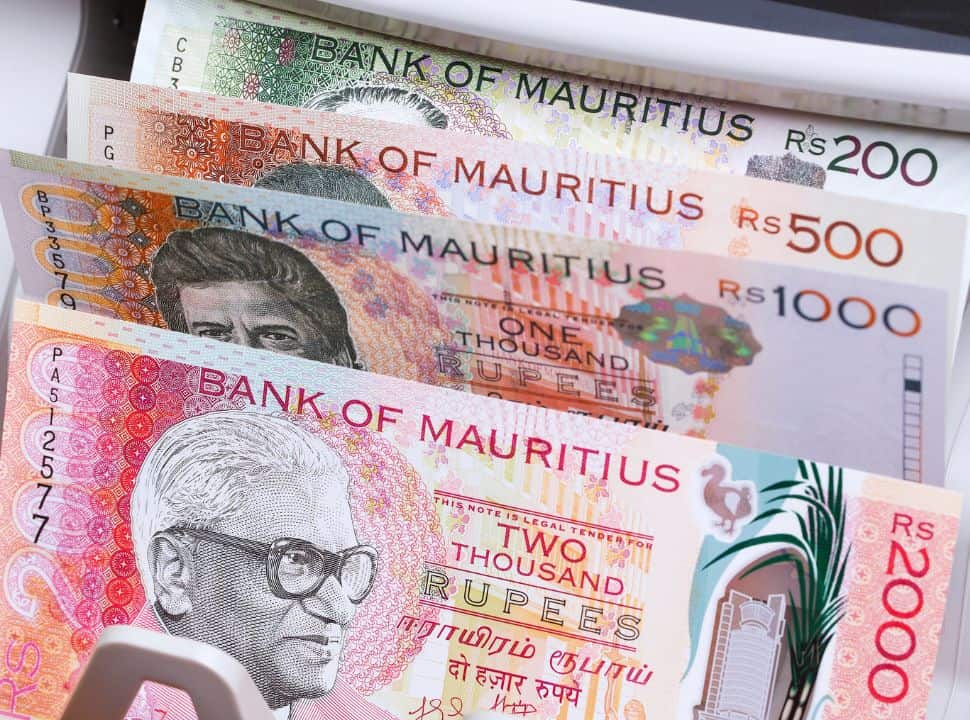
We didn’t have any euros or dollars on us, so we didn’t even bother asking if they were accepted. But unlike in some other countries, we also never saw signs or menus showing prices in foreign currency.
That said, we did read that some high-end hotels, tourist shops, or taxi drivers might take euros or dollars — but here’s the catch: the exchange rate is usually awful. You’ll end up paying way more than you should.
Our advice? Stick to using your card or get some Mauritian Rupees (MUR) from an ATM. It’s way easier, and you’ll save yourself from getting ripped off.
Curious about what a trip to Mauritius really costs for mid-range travelers? We’ve put together a detailed cost breakdown from our road trip around the island, plus practical tips on how to keep your expenses in check without missing out on the best experiences Mauritius has to offer.
Mauritius Travel Tips Health & Safety
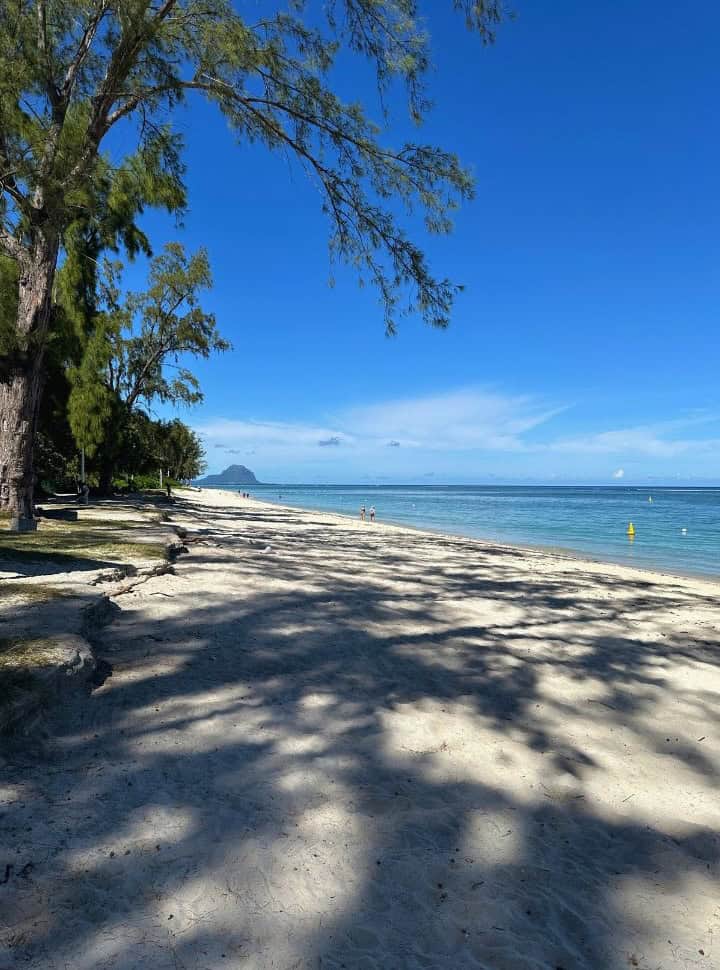
Mauritius is a tropical island paradise just off the coast of Africa — and while it looks like a dream, there are still a few things you should know to stay safe and healthy.
We’ve spent a fair bit of time on tropical islands in Asia, so we’re no strangers to things like malaria and dengue. But when we first looked into Mauritius, we realized we had no idea what the actual health risks were — or if we even needed specific vaccinations. So we did the homework for you.
How Safe is Mauritius?
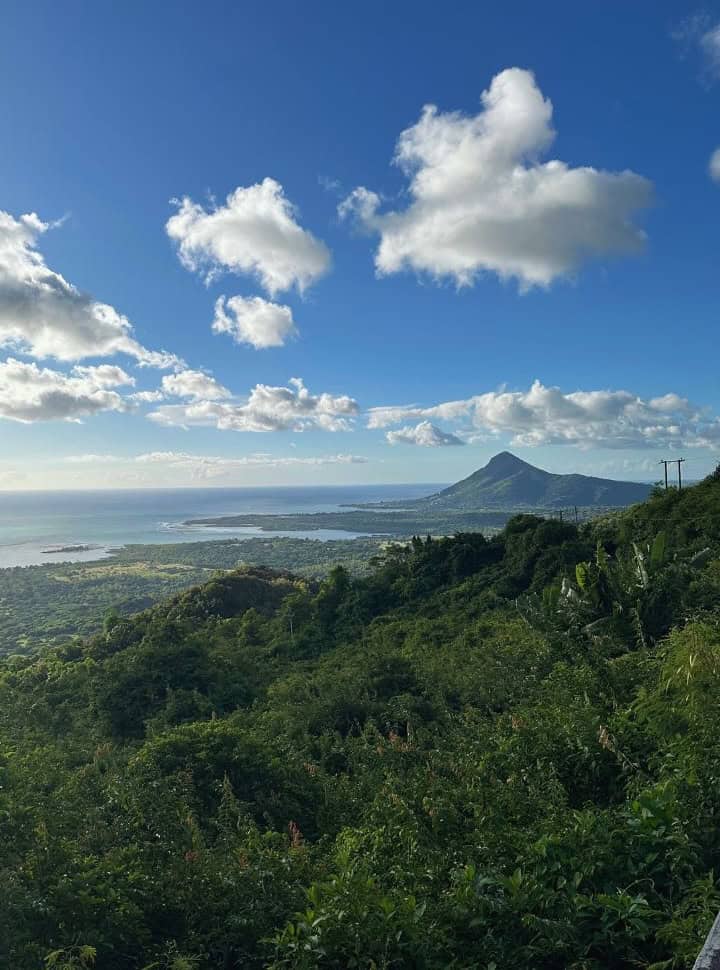
Mauritius is one of the safest destinations in Africa, but like anywhere, petty crime exists. Think pickpocketing on busy beaches or in markets — nothing extreme, but something to stay aware of.
We personally never felt unsafe once during our trip. Everyone we met was kind, helpful, and even reminded us to drive carefully. That said, we did keep valuables to a minimum — everything fit into one small day bag, which we sometimes (probably recklessly) left under the seat of our motor scooter.
Also, we made a habit of not swimming at the same time, so someone was always watching our stuff — not because we felt threatened, but because temptation is real, and it only takes one second.
Wondering which beaches in Mauritius truly took our breath away? Check out our list of favorite beaches that left the biggest impression—each one more stunning than the last!
Is It Safe to Go Out at Night in Mauritius?
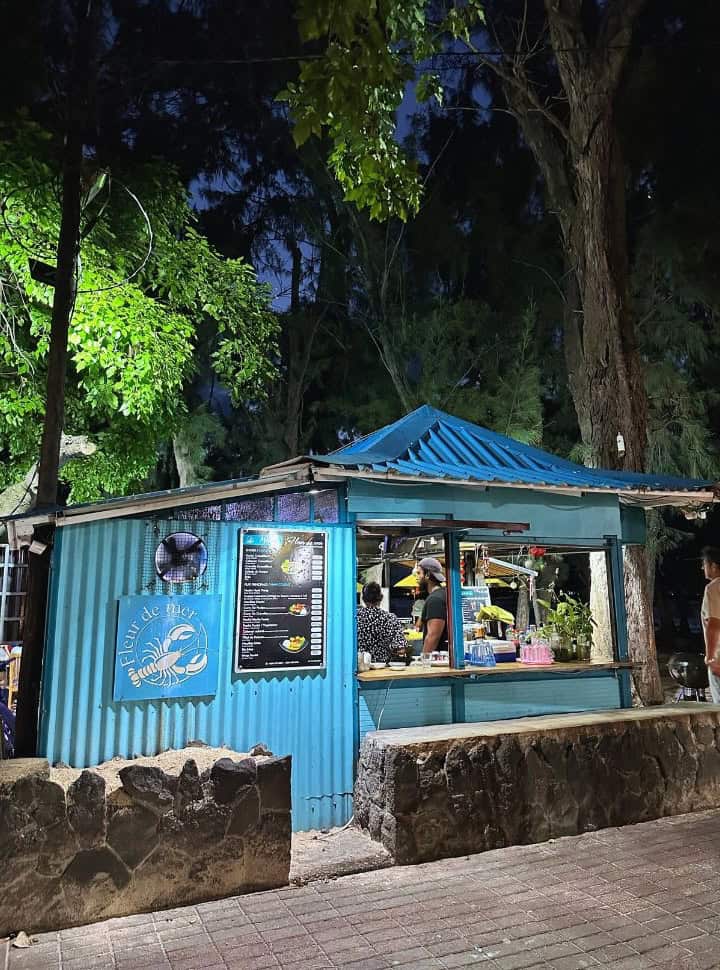
Yes, generally speaking, Mauritius is safe after dark — but as with anywhere, use common sense.
Stick to well-lit, populated areas and avoid walking alone down dark or isolated streets, especially near the beach.
Places like Flic en Flac and Perybere, Gran Baie are all very busy in the evenings, with restaurants and shops staying open till late. But we also stayed less tourist developed villages like Le Morne Brabant and Trou D’Eau Douce where streets were not lit at night and it got pitch dark.
Emergency Numbers: Police: 999 or 112. Ambulance: 114.
Go for a Guided Hike
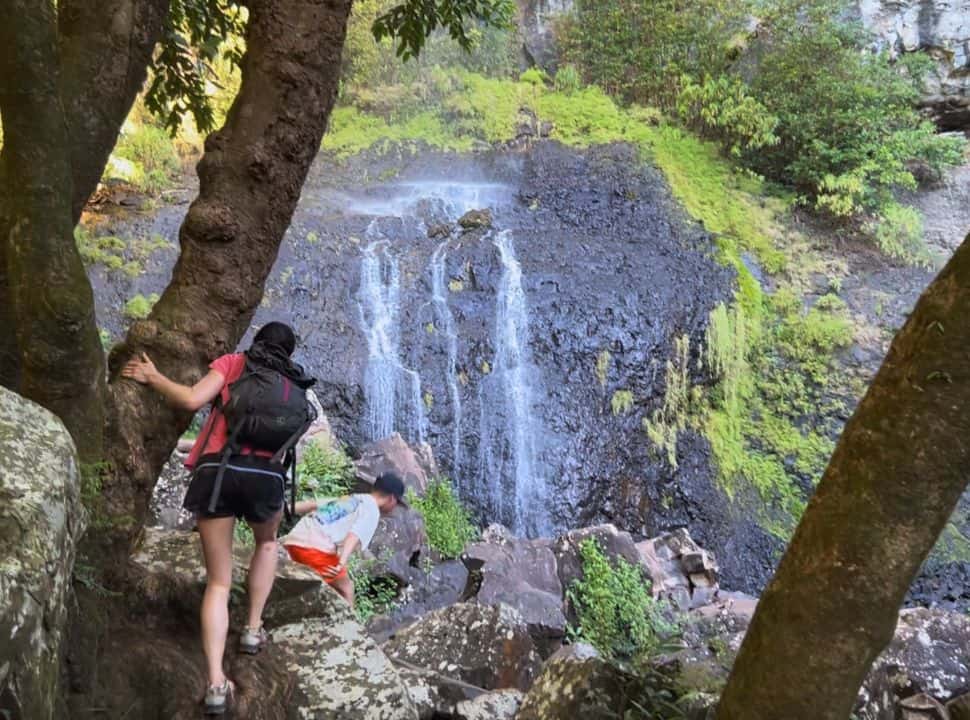
If you love nature, don’t leave Mauritius without hiking Le Morne Brabant or exploring the lush Black River Gorges National Park. These trails are stunning — think panoramic views, waterfalls, and rare wildlife.
Sure, many trails can be done on your own. But if you’re unsure of the route, want to learn more about the unique flora and fauna, or just don’t fancy getting lost (or chased by wild dogs – read our dog chase later), then a guided hike is absolutely worth it.
Here’s what we learned the hard way: We decided to do the 2.5-hour waterfall trail in Black River Gorges… at 3:30 PM. The park closes at 6:00 PM. You do the math. 😅
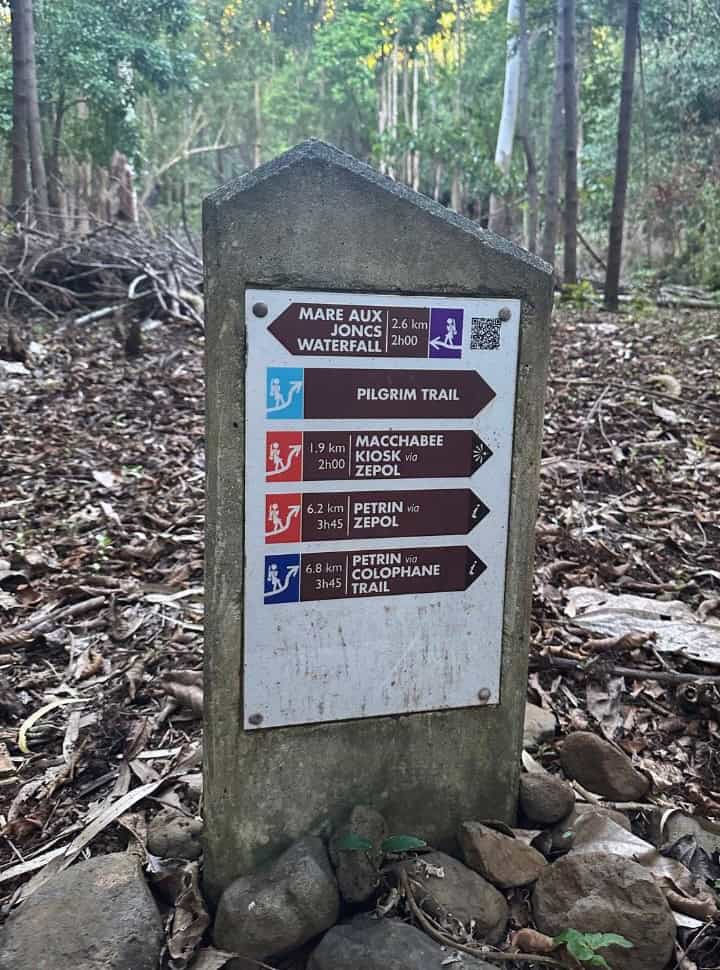
The trail was gorgeous, but the “relaxing jungle stroll” quickly turned into a power hike with mild panic, especially when we weren’t sure if we’d taken the right turn back. Thankfully, we made it — with a quick waterfall dip thrown in — and got back 15 minutes before closing time.
So take it from us:
- Start early
- Bring plenty of snacks and water
- Don’t forget mosquito repellent
- And if you’re even slightly unsure about the route, book a guide. It’ll turn a potentially stressful hike into an unforgettable adventure.
Lesson learned: never underestimate daylight — or how fast the jungle gets dark
Speaking of guided hikes, we made the mistake of exploring Port Louis on our own — and by the end of the day, we felt like we’d missed out on so much. Instead of struggling to find your way, we highly recommend booking this guided Port Louis Walking Tour.
Do You Need Jabs for Mauritius?
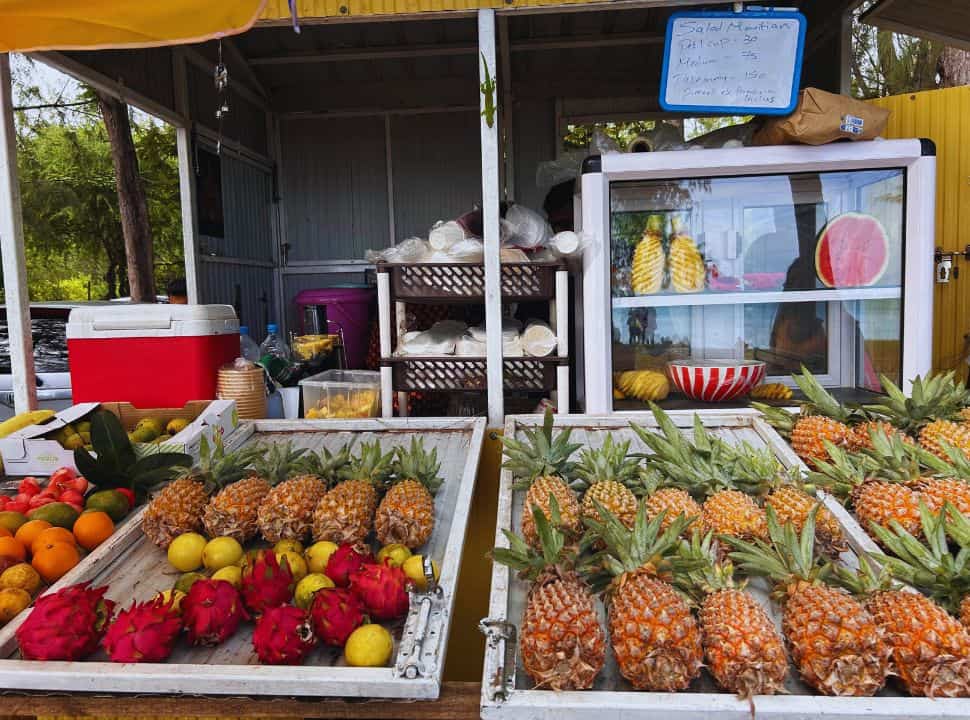
There are no mandatory vaccinations for entry into Mauritius, but it’s smart to be up to date on the basics. Travelvax recommends Hepatitis A vaccine only.
Hepatitis A spreads through food or water contaminated with infected feces.
This includes raw or undercooked meat and vegetables grown in contaminated soil.Vaccines for typhoid and rabies are only recommended if you plan to travel to rural or remote areas. (source: Travelex)
You can double-check with a travel health clinic if you have any concerns or underlying conditions.
Are There Mosquitos in Mauritius?
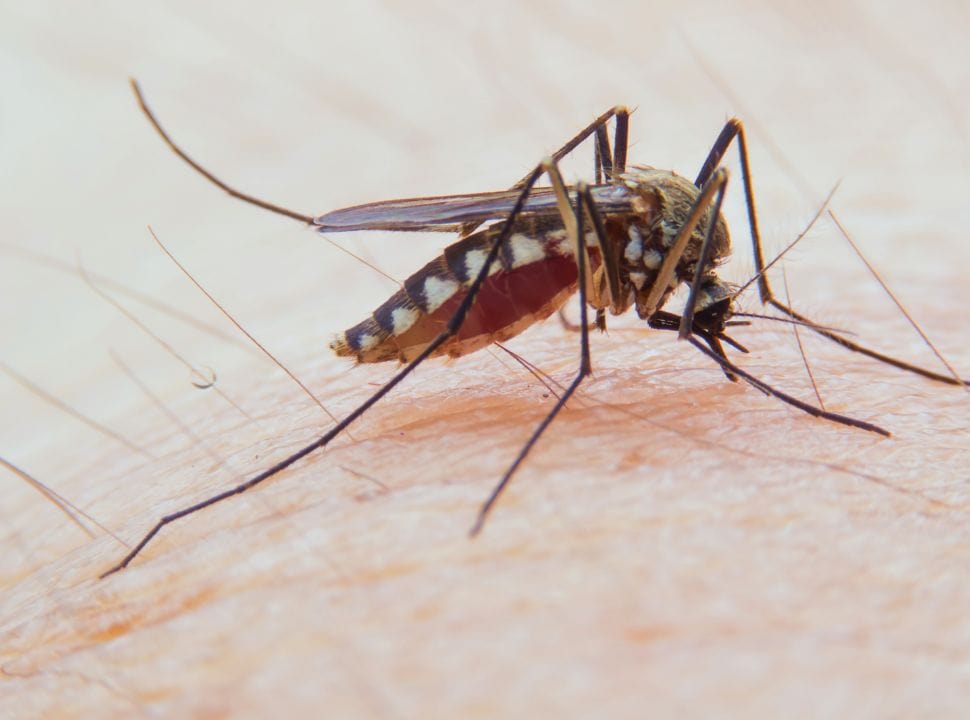
There are definitely mosquitoes in Mauritius. Especially around sunset.
While Mauritius is malaria-free, there is a risk of dengue, which is carried by daytime-biting tiger mosquitoes. So don’t let your guard down just because you’re not in the jungle.
Some tips to prevent being covered with mosquito bites:
- Use a DEET-based mosquito repellent — especially in the evenings
- Wear long sleeves and pants at night
- Sleep with a fan or under a mosquito net if you’re staying in more remote or nature-heavy areas.

Matt and our son are total mosquito magnets. I, on the other hand, seem invisible to them. But during April, we found we only needed repellent at night — it wasn’t much of an issue during the day. That changes during the rainy season (December to March), when heat and humidity crank up mosquito activity like crazy.
But we used a lot of repellent when hiking to waterfalls or trekking forest trails — the shady, damp areas are mosquito paradise. You’ll find repellent easily in local pharmacies and supermarkets, but we recommend bringing your own just to be safe.
Can You Drink Tap Water in Mauritius
It’s kind if a grey area when comes to drinking water straight from the tap. Technically, some say yes — the tap water is treated and safe. Others? Hard no.
So why risk it? We drank bottled water only and even used it for brushing our teeth (well, most of the time — old habits die hard). We didn’t get sick, but after learning the hard way on past trips, we just don’t gamble with water anymore. It’s not worth losing a few days of your trip to stomach issues.
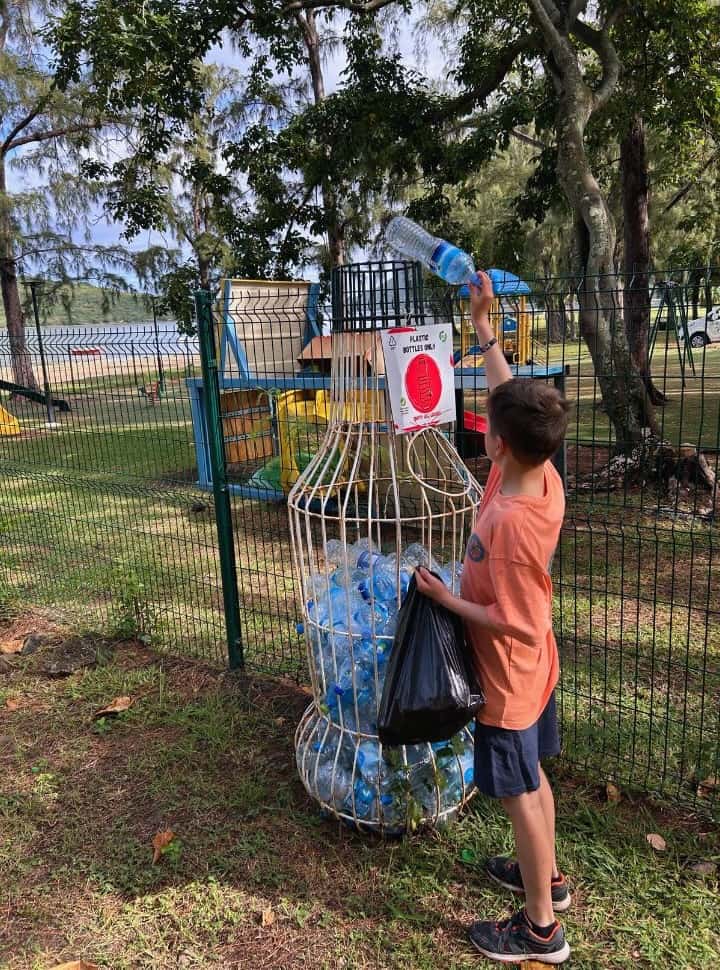
Sadly, we couldn’t find any water refill stations, so we did go through more plastic than we liked. The good news is, beaches have bins for recycling plastic bottles, so at least there’s that.
Is Streetfood in Mauritius Safe?
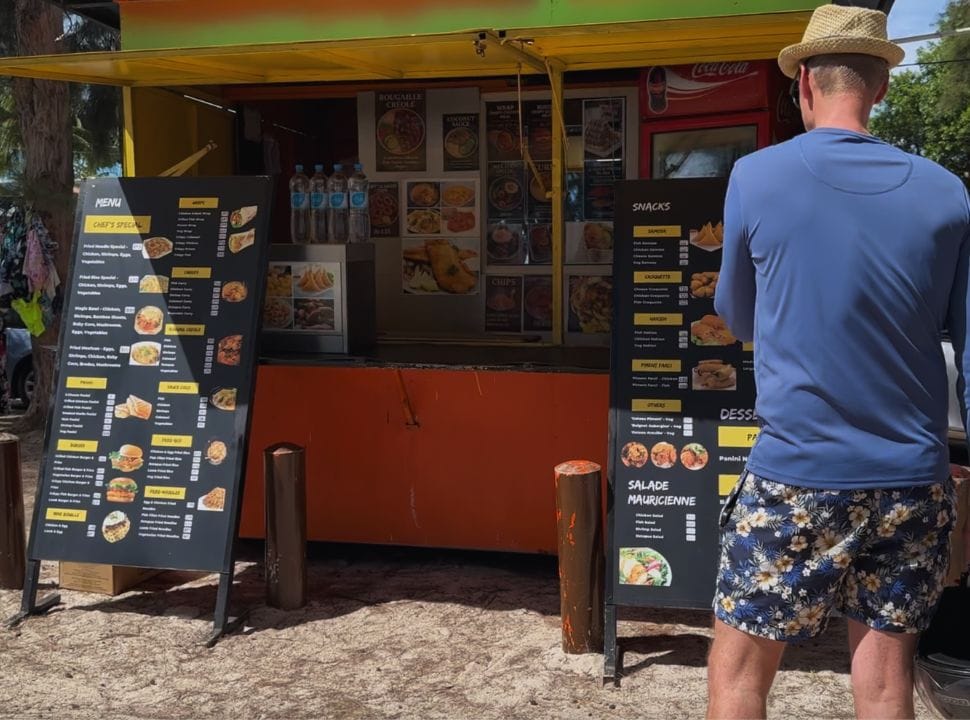
Yes — street food in Mauritius is safe if you’re smart about it.
We LOVE trying street food, and Mauritius has some truly mouthwatering local dishes. But we also like staying healthy. So here’s what we go by:
- Stick to busy vendors — if locals are lining up, it’s a good sign
- Watch how food is handled — clean hands, gloves, fresh utensils are key
- Go for freshly cooked items — hot-off-the-grill is always safer than food sitting out for hours
- Ask locals for recommendations — they’ll steer you to the tastiest (and safest) spots
Some must-try street eats:
👉 Dholl puri (a split-pea stuffed flatbread),
👉 Samosas,
👉 As vegetarians we didn’t try the grilled seafood and meats, but there is enough freshly made to choose from.
If you’ve got a sensitive stomach, maybe skip anything too spicy or unfamiliar at first and ease into it.
Watch Out for the Stray Dogs
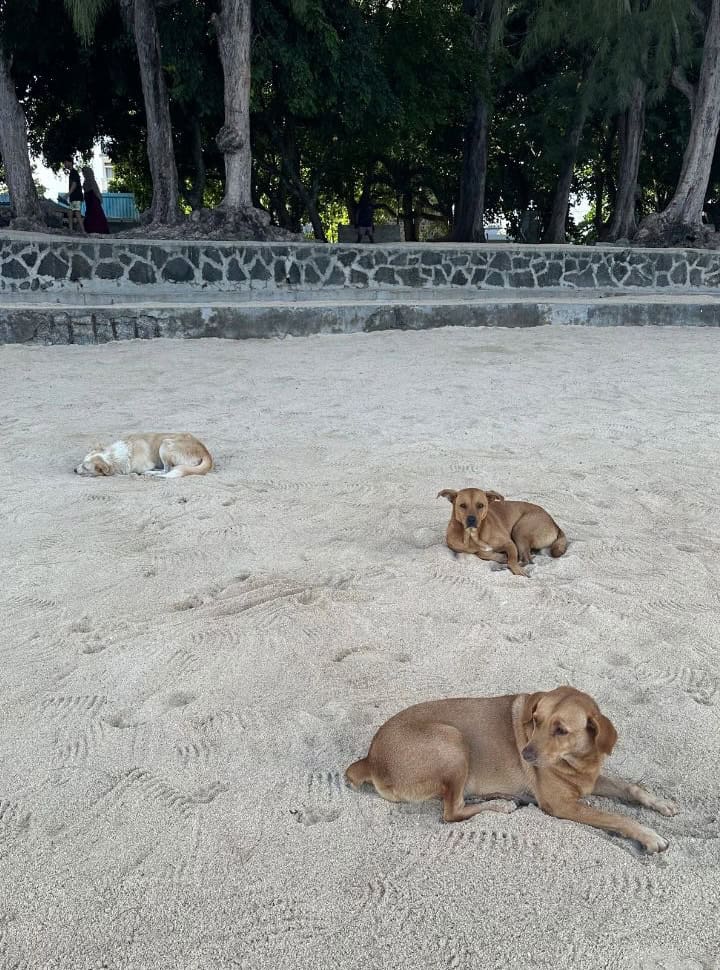
Mauritius is breathtaking — crystal-clear beaches, lush forests, clean streets, and friendly locals. But… the stray dogs are a real and heartbreaking part of the island.
We were honestly shocked by how many there are. Some looked okay — even friendly — while others were in rough shape. It’s hard to see if you’re an animal lover.
But while you may be fond of dogs and find it tough to see them suffer, some of them were scary too. We were riding our scooter near a sugarcane field when 20+ dogs suddenly burst out of the bushes. It felt like a full-on ambush. We sped off, heart racing, with a few dogs chasing and barking at our ankles. The kicker? We took a wrong turn and had to ride past them again. Luckily I discovered a way to scare them off: honk the horn.
We hope the government steps up with spay/neuter programs and better care systems. Until then, stay alert, especially in remote areas — and don’t approach the dogs, no matter how cute or sad they look.
Mauritius Travel Tips Getting Around
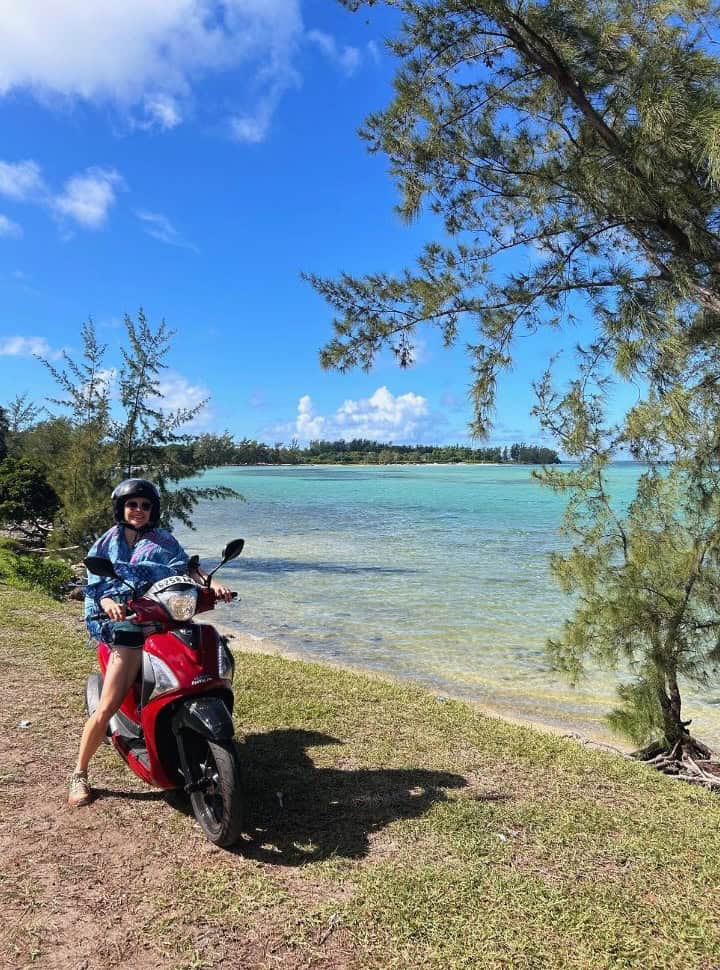
We love exploring off the beaten path, and that usually means one thing — getting our own wheels. In Mauritius, we rented a scooter and absolutely loved the freedom it gave us. But before you hit the road, there are a few things you should know.
Is Driving in Mauritius Safe?
Is Driving Safe in Mauritius?
First things first: they drive on the left side of the road in Mauritius — so if you’re coming from a right-side driving country, take a moment to adjust.
In general, main roads are in good condition and fairly easy to navigate. Speed limits are moderate:
- 60 km/h on regular roads
- 80 km/h on the motorway (which runs conveniently from north to south).
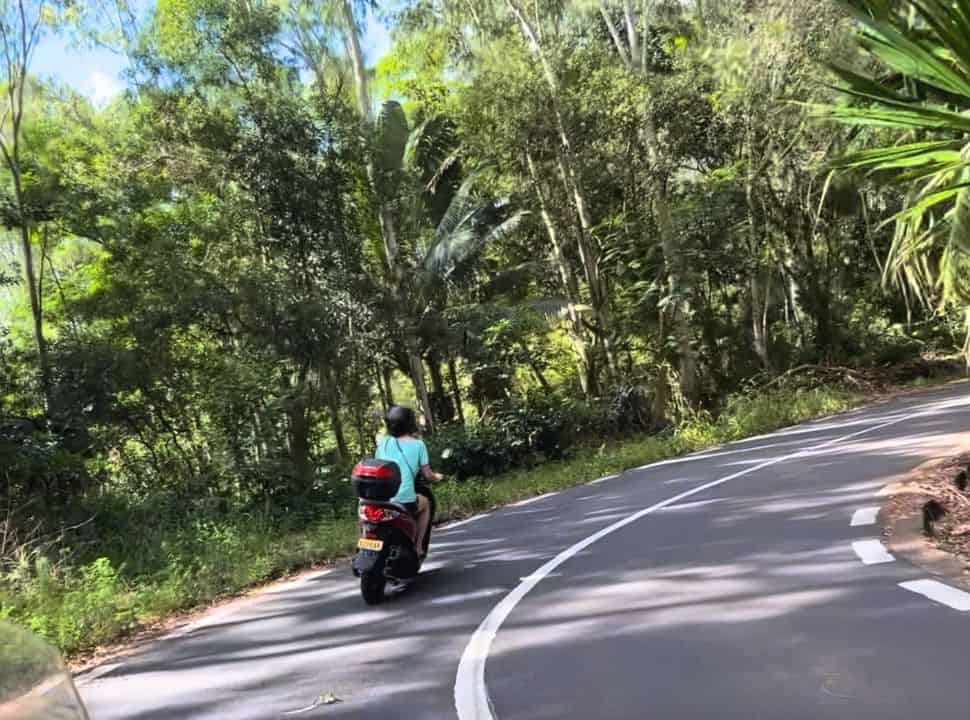
Traffic is pretty tame compared to many other countries — people drive with care. But you’ll need to be confident when dealing with narrow winding roads, especially around the mountains and coastal stretches.
Port Louis, the capital, is where things get hectic. It’s the busiest area we saw — expect congested roads, lots of honking, and buses taking their sweet time.
So… bring your patience.
Google Maps works fine most of the time, but don’t trust it blindly. We once tried a scenic coastal detour to avoid the main road. It looked dreamy on the map… but we ended up at a sugar cane factory being chased by a pack of dogs (as described earlier above…) We stuck to the main roads after that.
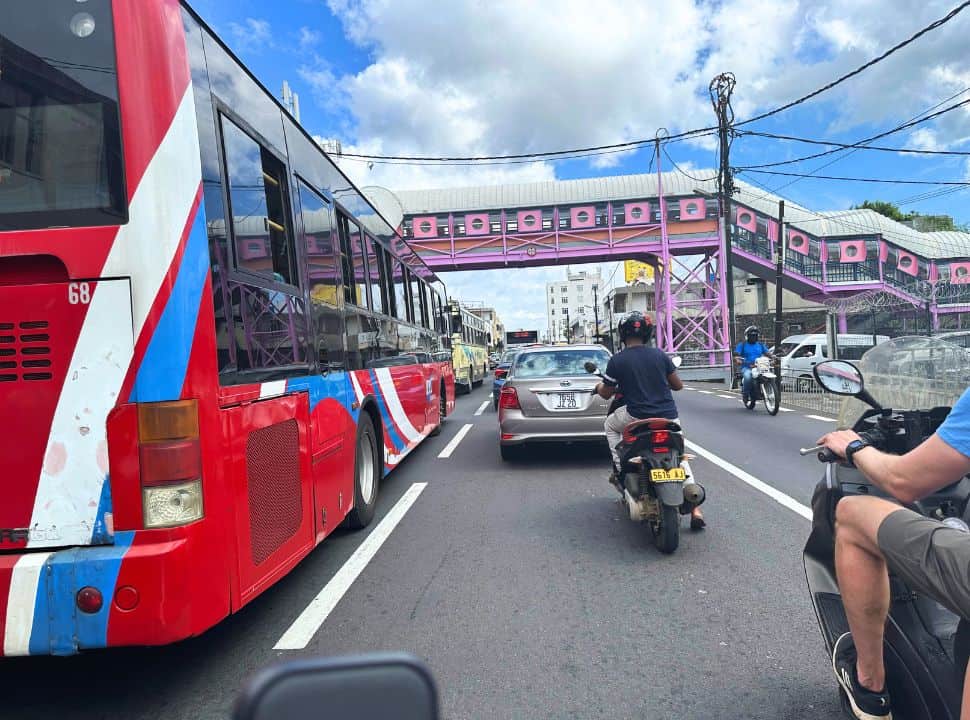
Some things to watch out for:
- Speed bumps you can’t see at night
- Random goats, dogs, or kids crossing the road
- Locals who overtake like they’re in a Formula 1 race.
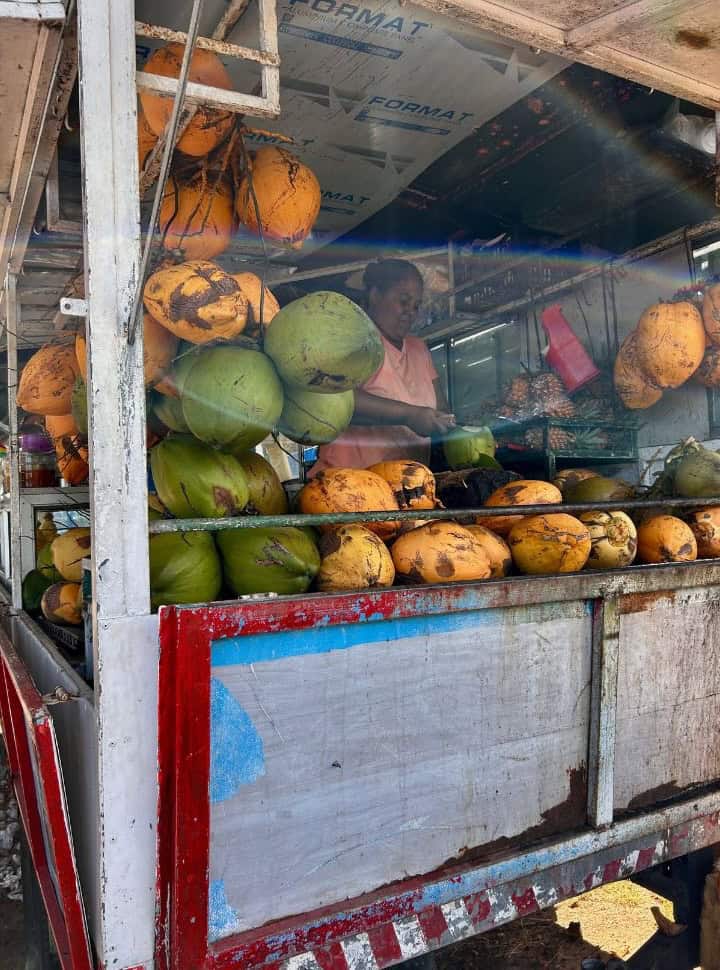
We sometimes had to drive our scooter at night on twisty roads, especially when heading out to eat. That wasn’t our favorite. A kind fruit stall owner warned us about drunk drivers at night — so yeah, drive extra carefully after dark.
And yes — helmets are mandatory for motorbikes and scooters. Unlike some other tropical countries, locals in Mauritius actually wear them too, which is reassuring.
Have The Correct Driving License
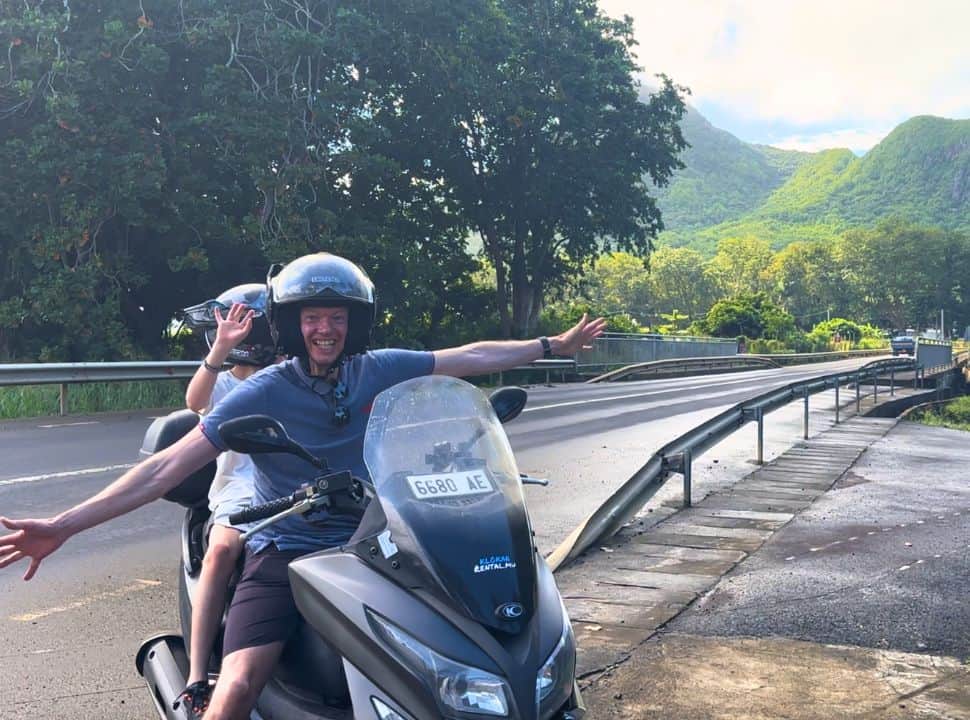
You don’t need an international driver’s license if your license is in English. If not, it’s smart to get an international permit just to be safe.
Why it matters: Police checkpoints are everywhere. We got stopped once, and the officer was super friendly — we showed our documents, and that was it. No hassle, no bribes, no funny business (unlike… ahem… Bali).
We also never felt like foreigners were being targeted. Once, Matt was pulled over and I wasn’t — until I told them we were together, and only then did they understand why I stopped too. Most other checkpoints? We just drove through.
Thinking about a road trip through Mauritius? Don’t miss our 7-day Mauritius itinerary packed with must-see spots, local tips, and inspiration to help you plan an unforgettable island adventure.
Prefer to stay at a base? We have listed our recommendations based on type of traveler right here.
Be Aware Of Taxi Scams
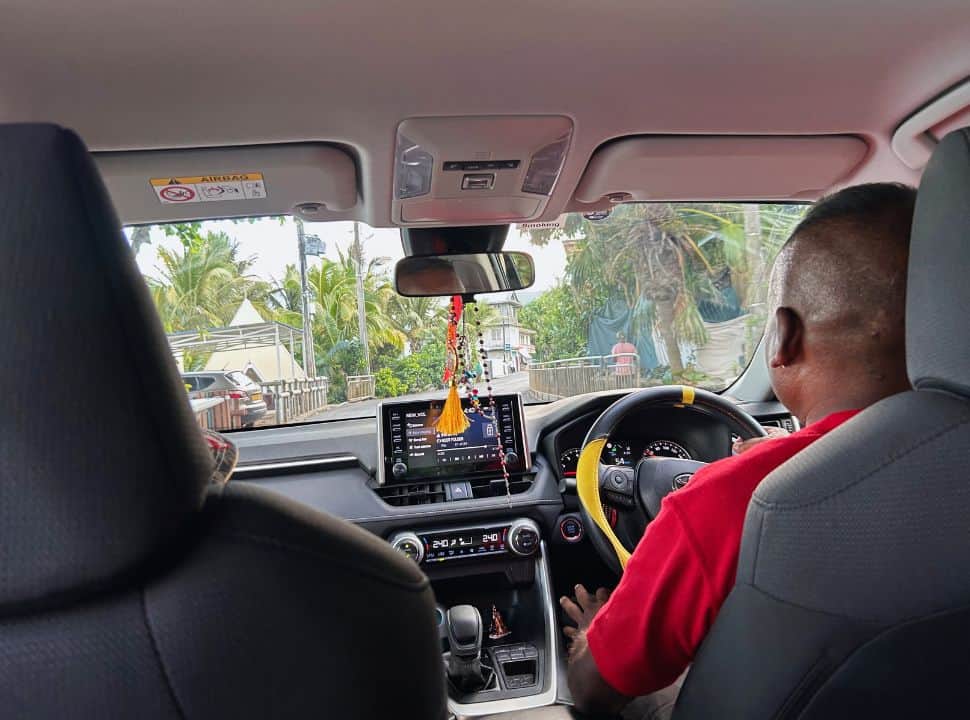
We used a taxi for our airport transfer — it was about €40 for a one-hour ride, which we booked online. Our accommodation host later told us he could’ve arranged it for €35, but hey — not the end of the world.
If you’re hailing a taxi on the street, make sure to:
- Agree on a fare in advance — taxis don’t have meters
- Only use registered taxis with a yellow sign and the name of the taxi base on the door
- Double-check at the airport too — some unmarked taxis might try their luck.
To be on the safe side, always arrange taxi’s from your accommodation or book it online where the exact price is given.
Mauritius Travel Tips Local Customs
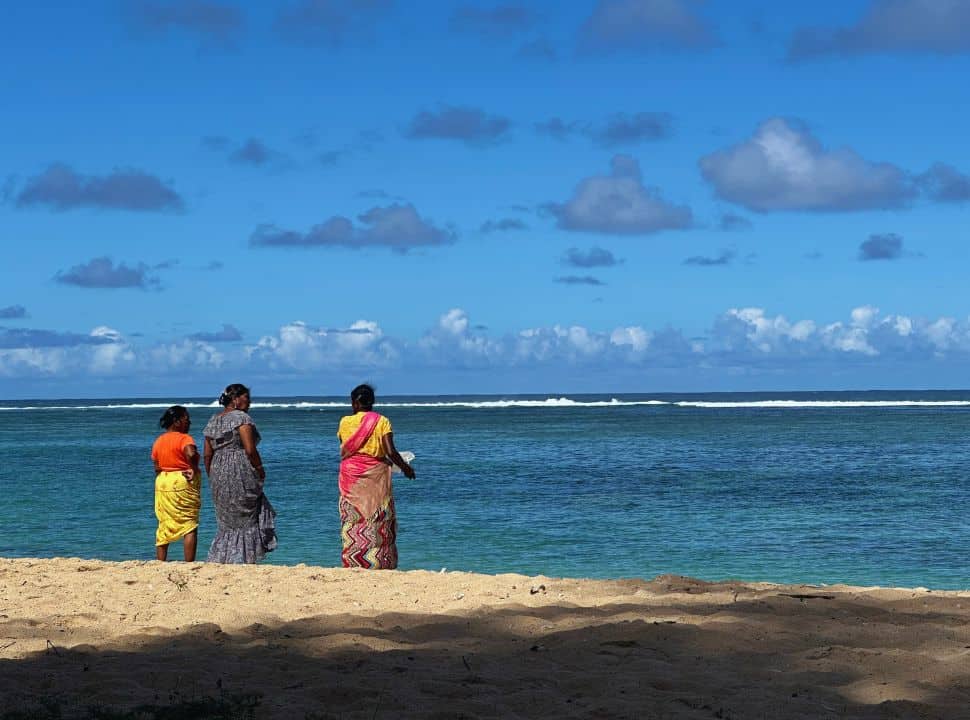
Mauritius isn’t only a tropical paradise island with gorgeous beaches and lush green mountains, it also an known for its vibrant blend of cultures, shaped by centuries of migration and colonial history.
Immerse yourself in Mauritius’ rich culture, but take the time to understand and respect local customs and traditions as you do.
What Type Of Religion Is There in Mauritius?
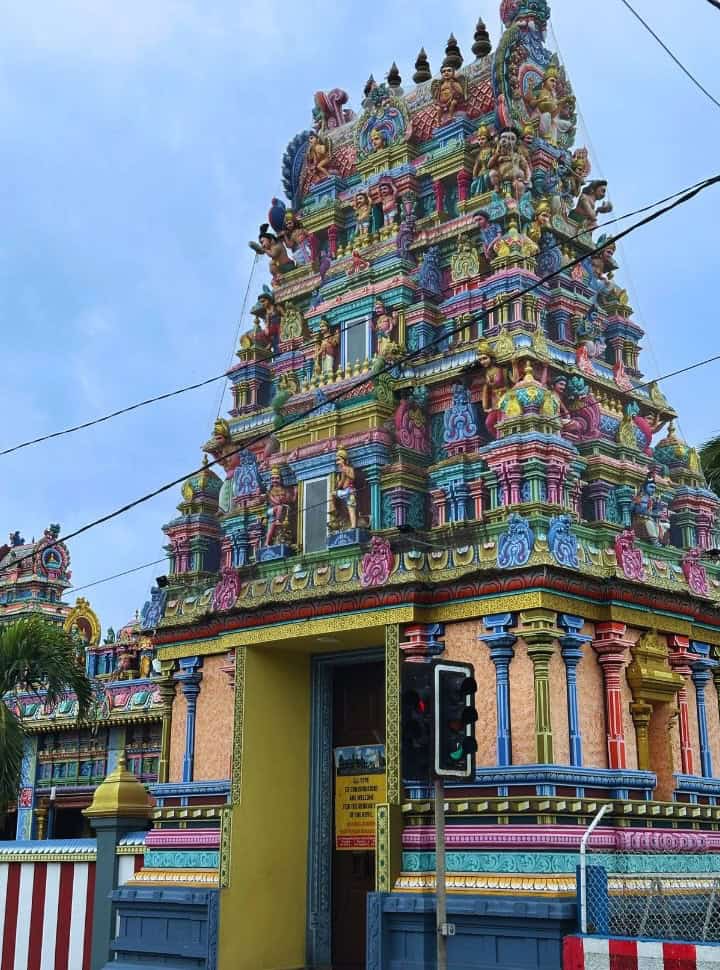
Mauritius is an incredible blend of cultures and religions. You’ll find:
- Hinduism (~50% of the population)
- Christianity
- Islam
- Buddhism
What’s really beautiful is how well everyone gets along. Festivals are celebrated across the island, and it’s not unusual to see a church, mosque, and Hindu temple all on the same street — like we did in Grand Baie. A powerful example of peaceful coexistence.
Respect Local Customs and Religious sites
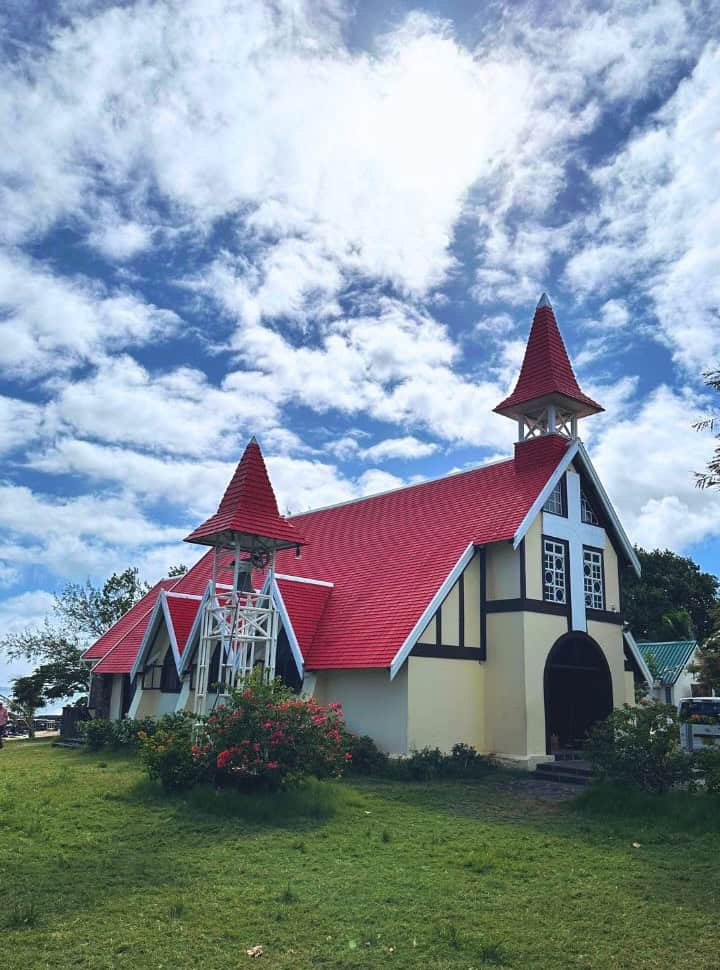
If you plan to visit any temples, mosques or churches:
- Dress modestly — cover your shoulders and knees
- Take off your shoes when required
- Avoid taking selfies during prayer times (or better yet, avoid phones entirely)
Most religious sites we saw were gated, so we admired many from the outside — like the beautiful Jumma Mosque in Port Louis or the colorful Tamoul temple near the famous red church at Cap Malheureux.
What Language Do They Speak in Mauritius
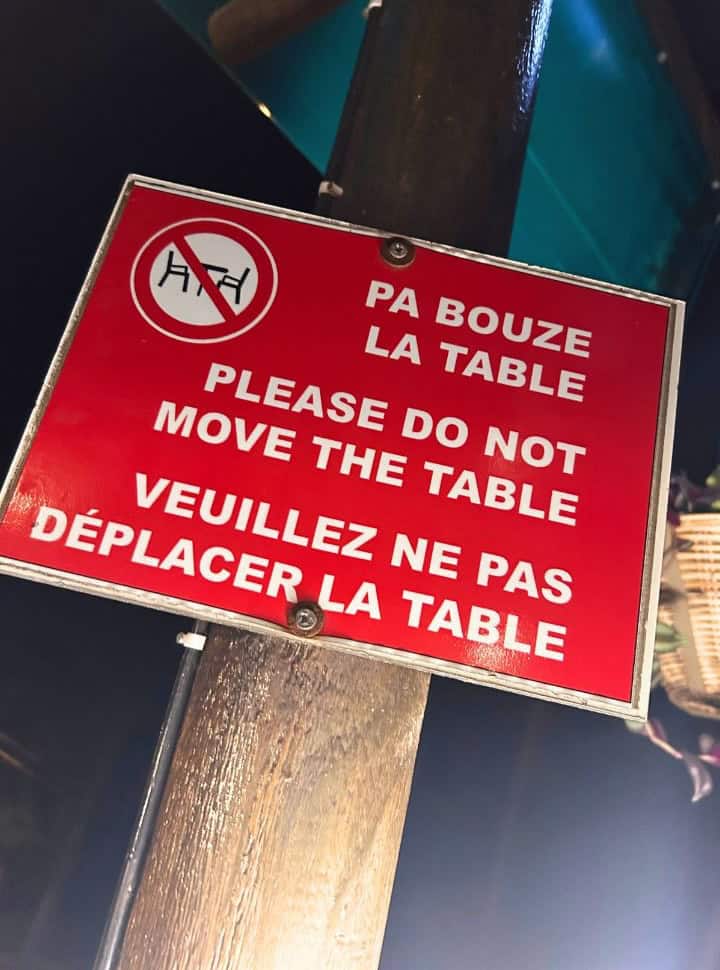
The official language is English, but French and Mauritian Creole are widely spoken.
At hotels, restaurants, and tourist spots, everyone we met spoke English, which made it easy to connect and learn about local life.
At more local places — like the amazing beach food stalls in St. Felix (go there!) — we had to dust off our school French. It wasn’t perfect, but locals were encouraging, and we got by with some laughs along the way.
Creole sounds a bit like French, but with its own rhythm. One guide told us, “It’s like French, just messier!” (Not sure Mauritians would agree, but it gave us a chuckle.)
How Much Should You Tip in Mauritius
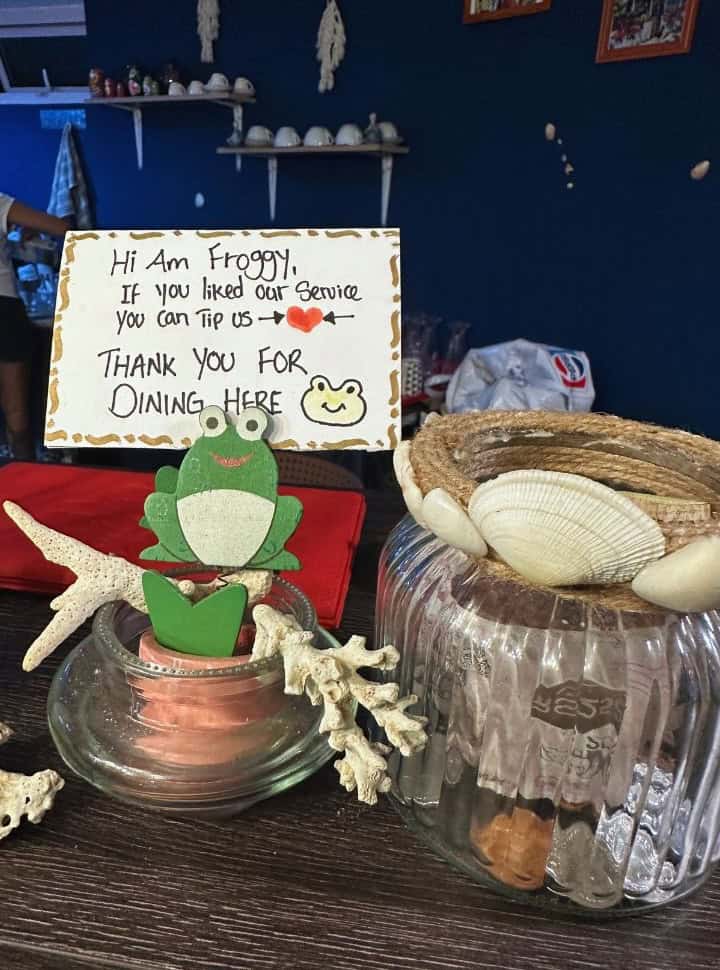
Tipping isn’t expected, but it’s always appreciated. Here’s a quick guide:
- Restaurants: 5–10% if a service charge isn’t already included
- Hotel staff: Rs 50–100 (a small bill goes a long way)
- Taxis: Just round up the fare.
Can You Haggle in Mauritius?
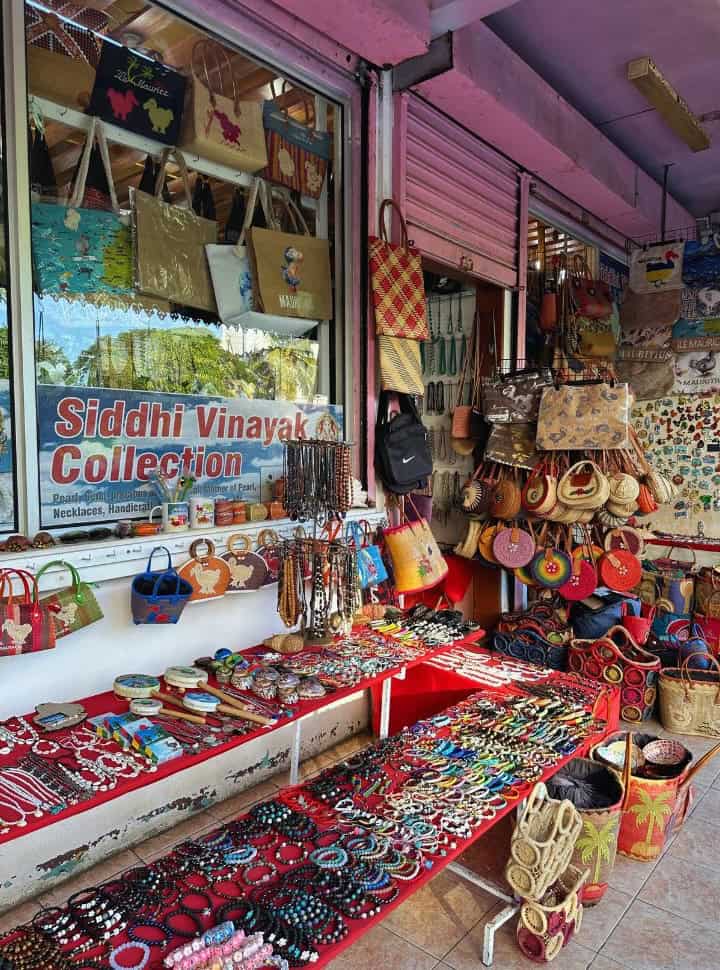
Yes you are allowed to haggle or bargain down when shopping in Mauritius — and you should! Especially at local markets and with street vendors. It’s part of the culture and can actually be a fun way to connect with locals.
We found it worked best when we kept it light and friendly — a smile goes a long way. Start with a lower offer (about half the asking price) and don’t be afraid to walk away if it doesn’t feel right. Buying multiple items? You might get a better deal.
That said, don’t haggle in big stores or with vendors who clearly aren’t doing well. Use common sense and always be respectful.
Mauritius Travel Tips Tech & Connectivity
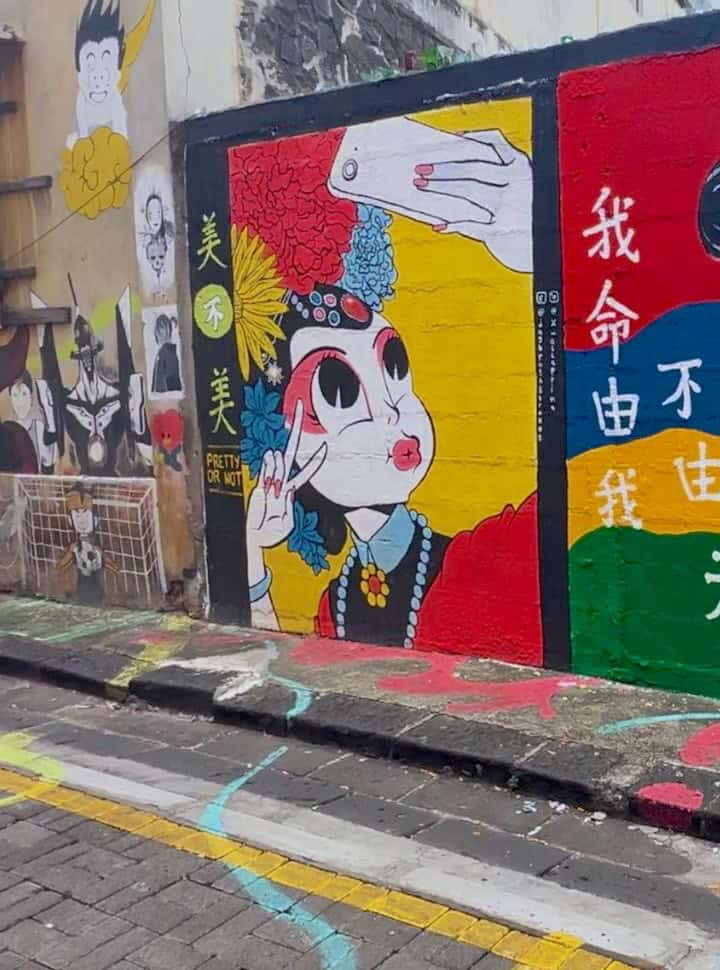
Get a Local Sim Card
When you land, you’ll see several booths offering SIM cards — if you’re not using an eSIM, just pick the first available one. Prices are similar across the board.
We paid MUR 750 (about €15) for a SIM that lasted our entire 2-week trip. We only got one — assuming Wi-Fi would be enough — but honestly, it’s better if everyone has data, especially if you get separated in traffic (looking at you, Port Louis!).
WIFI Reliability
We were pleasantly surprised — Wi-Fi was stable and fast at nearly all of our accommodations. If you need to work remotely or make video calls, you’ll be just fine.
That said, don’t expect strong signals in remote villages or on the beach. But hey, that’s probably a good excuse to unplug anyway.
Expect Power Outage
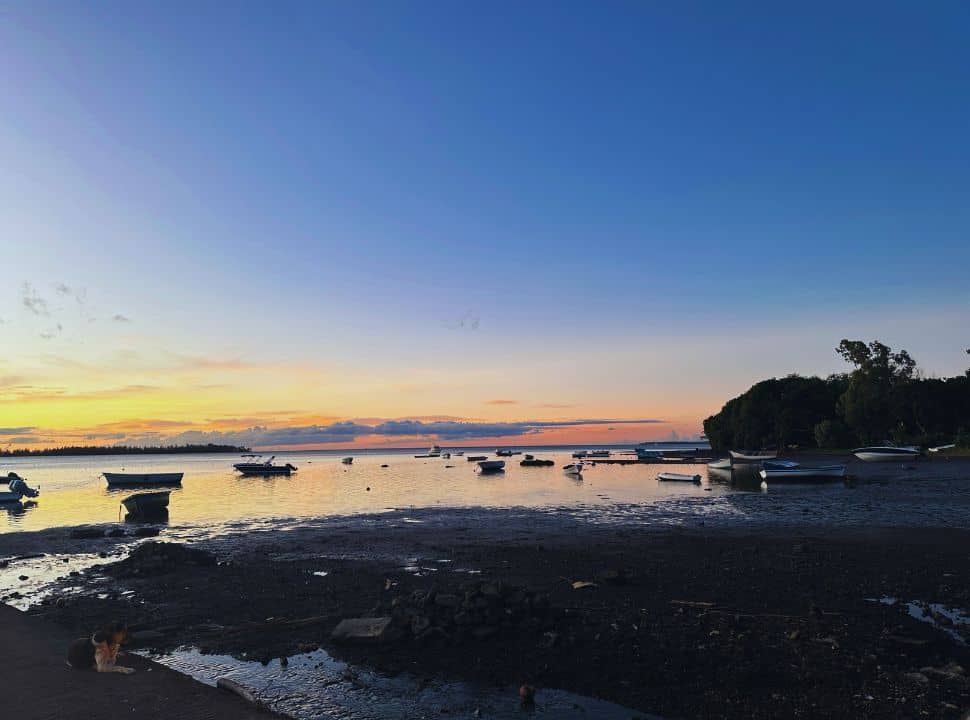
It didn’t happen often, but we did have two brief power cuts during our stay. If you’re reliant on your devices, keep them charged whenever you can — just in case.
What Type of Electrical Plug is Used in Mauritius?
Most outlets use the Type G plug (the 3-prong, UK-style one). If you’re not from the UK, bring an adapter.
We only had one adapter, so we also packed a power strip with extra sockets — super helpful for charging all our phones, cameras, and laptops.
What Should You Pack For Your Trip to Mauritius?
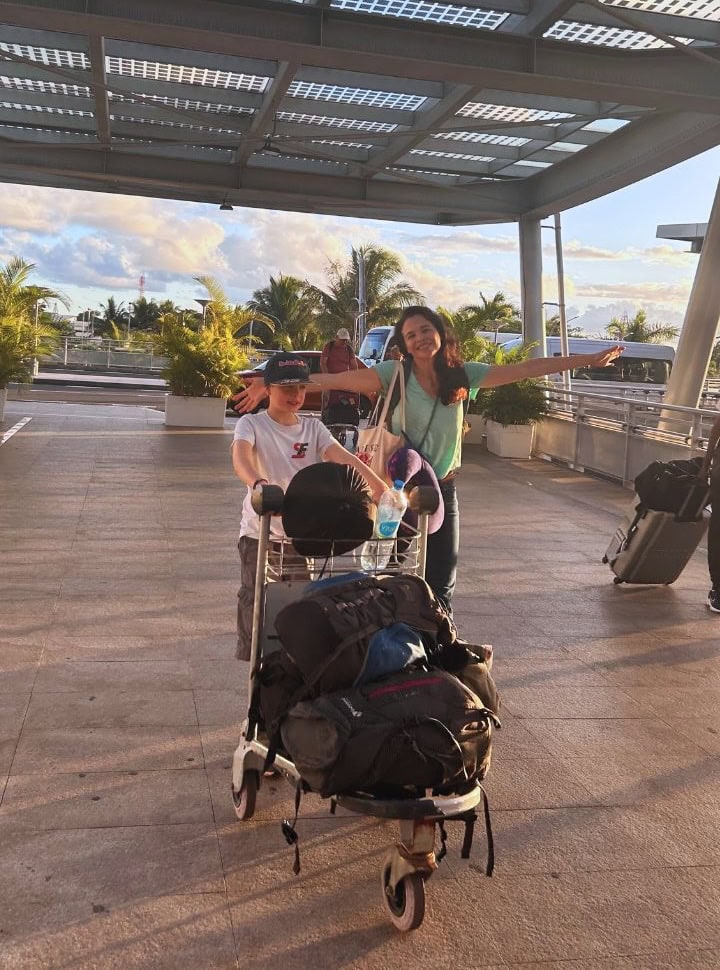
We’ve been trying to master the art of packing light for years — and while we’ve cut back more and more each trip, it somehow still feels like too much. The truth is, for tropical destinations, you really don’t need much. Especially if you’re staying in an apartment-style place where you can rinse your clothes, hang them out, and have them dry by the next day.
Just keep the weather in mind. During our stay, cloudy skies and evening showers meant laundry took a bit longer to dry — though the ever-present breeze helped a lot.
Midway through the trip, we booked a spot with a washing machine. Total game-changer. We washed everything, even beach towels, and instantly felt like we’d packed way too much.
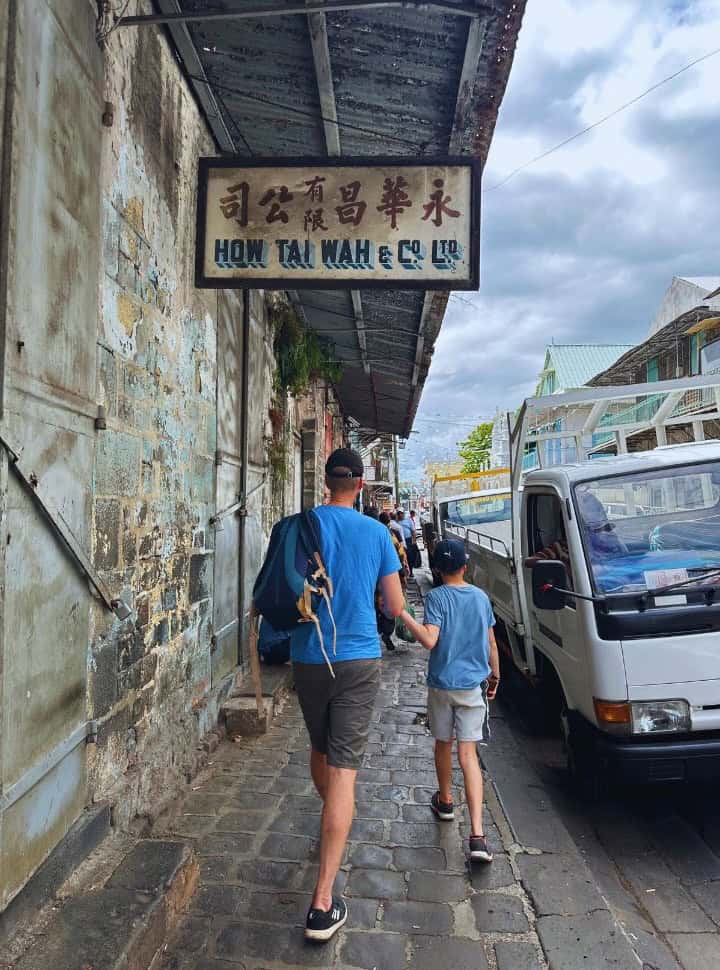
The only downside to this minimalist travel style? You’ll have to leave that cute new dress or extra pair of sandals behind. But honestly, fewer outfit choices means less time fussing over what to wear — and more time at the beach. Prioritize extra swimwear over extra clothes. Trust us on that one.
Pro tip: Pack light — laundry services are available in many places, and you’ll mostly live in swimwear anyway. Focus on comfort, sun protection, and layers, and you’re good to go.
So here is our a practical, no-fuss guide to what you really need to pack for Mauritius — from beach bliss to mountain adventures.
Daytime Outfits
- Light and airy clothing – Think breathable fabrics like cotton or linen in pale colors to beat the heat. We brought 5 shirts only per person.
- Shorts – max 2 per person.
Beach + Swim Essentials
- At least 2–3 swimsuits/shorts – One’s always drying while the other’s in action.
- Cover-ups or sarongs – Perfect for beach-to-café transitions.
Evenings Out
- Smart-casual outfits – A sundress, linen pants, or a short-sleeve shirt will do nicely for dinners and sunset drinks.
- Light sweater or jacket – Nights can get breezy, especially inland or in the hills.
Footwear
- Comfy sandals or sneakers – For walking or exploring towns.
- Flip-flops – Essential for beach days.
- Water shoes – Great if you’re planning on snorkeling or hiking to waterfalls.
Accessories You’ll Be Glad You Packed
- Wide-brim hat or cap – Island sun hits hard.
- Polarized sunglasses – To protect your eyes and cut the glare off the sea.
- Light scarf or wrap – Handy for sun, wind, or modesty at religious sites.
Daily Essentials
- Reef-safe sunscreen – Go for SPF 30 or higher to protect yourself and the coral.
- Bug spray – A DEET-based repellent is best, especially in the evening.
- Basic toiletries – Toothbrush, shampoo, conditioner, razor, etc.
- Personal medication – Bring enough of any prescriptions you need.
Important Docs & Tech
- Passport + travel insurance – Plus printed/back-up copies in case your phone dies.
- Phone (with waterproof case) – Also useful: portable charger and charging cables.
- Universal adapter – Mauritius uses the British-style three-pin plug.
- Camera or GoPro – For those unforgettable underwater shots.
Adventure & Beach Gear
- Quick-dry towel – Saves space and dries fast between swims, we always use the light quick drying Hamam /Turkish towels
- Snorkel gear and water shoes – Bringing your own snorkelling gear is a game-changer — the ones provided on tours can be a bit questionable.
- Dry bag – Keeps valuables safe on boat trips or beach days.
- Small daypack – For hikes or exploring waterfalls.
The “Just in Case” Stuff
- Compact first-aid kit – Include plasters, antiseptic, meds for headaches or stomach upset.
- Light rain poncho or rain jacket – Sudden showers are part of island life.
- Book, Kindle, or travel games – For downtime on the beach or in transit.
Wrap Up Mauritius Travel Tips
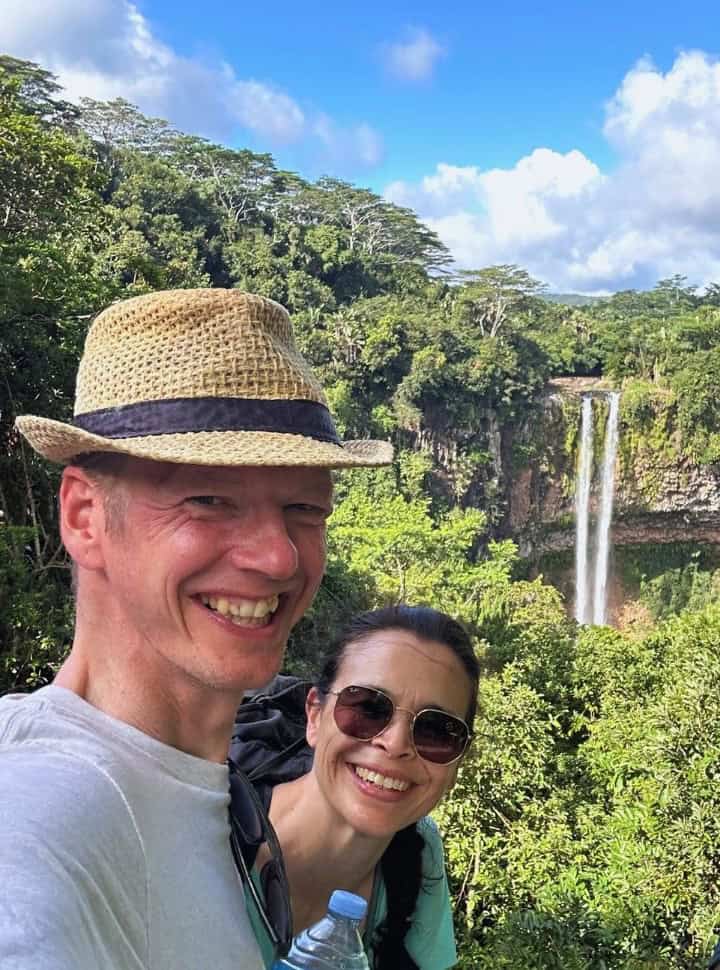
Mauritius truly stole our hearts — not just for its breathtaking beaches, but for its rich culture, kind people, and the little surprises along the way. From winding scooter rides through sugarcane fields to sharing smiles at local food stalls, it’s the kind of place that stays with you long after you leave.
With a bit of prep and a curious spirit, you’ll get the most out of this beautiful island. Respect the culture, take the scenic route, pack light (but don’t forget the sunscreen!), and most of all — enjoy every moment. Mauritius has a way of making even the simplest experiences feel unforgettable.
Liked it? Pin It.
Monico was born in Kuwait and grew up in Indonesia, Malaysia, and Australia, which gave her a unique perspective on the world from a young age. Her first solo travel experience took her to Indonesia, where she volunteered at an orangutan rehabilitation center, and since then, she has focused her travels on environmental and conservation projects in places like Panama and Australia. Along with her love for wildlife, Monico enjoys exploring historic European cities, swimming in the sea, and tasting street food in Asia.