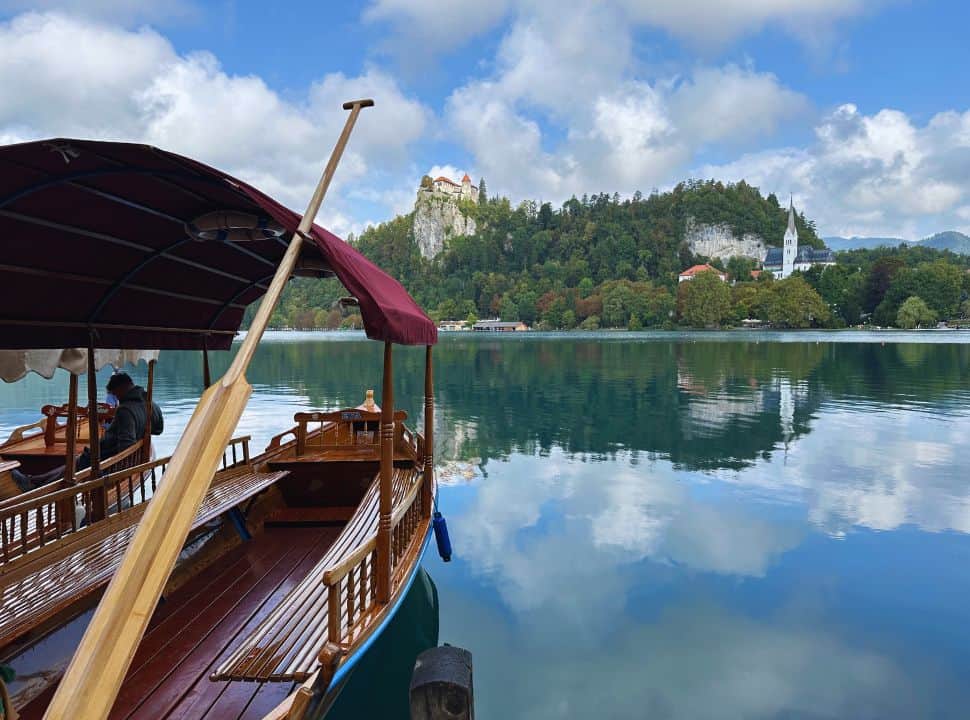
Is Slovenia Expensive To Visit ?- Our Budget Breakdown for 2025
What makes Slovenia expensive to visit – real travel costs and budget tips
Okay, full disclosure: before we left for Slovenia, we’d read that it was one of the cheaper European destinations. So naturally, we thought, “Perfect! We’re not exactly budget travelers, but this should be a reasonably priced holiday—even in August, the most expensive month.”
Well… let’s just say reality had other plans. We didn’t expect backpacker prices—think €50 per person per day—but somehow, even swapping hotels for camping didn’t exactly save us a fortune. A few sneaky costs popped up, and suddenly our “affordable adventure” looked more like a slightly pricey one.
So what really happened? Why did we end up spending more than we’d planned? In this post, we’ll spill the beans: the real costs, the sneaky expenses that caught us off guard, what we’d do differently next time, and tips for anyone planning a Slovenia trip. If you’ve been wondering ‘is Slovenia expensive to visit?’ or just want a clear idea of what to budget, you’re in the right place.
Disclaimer: This post may contain affiliate links. If you make a purchase or booking through one of our links we may earn a small commission (don’t worry, it’s at no extra cost to you)
Our Slovenia Travel Expenses 2025
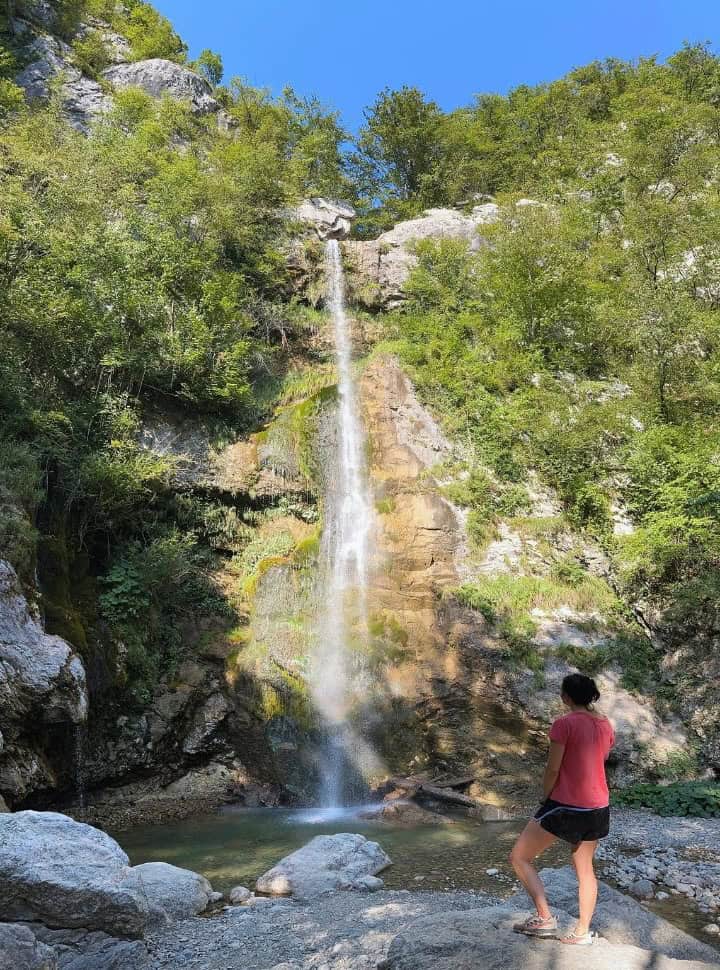
Let’s talk about the part no one really likes to admit: how much we actually spent in Slovenia. We went in thinking camping would keep costs down and cooking for ourselves here and there would balance the budget. And while both of those things did help, visiting in high season still left us wondering: is Slovenia expensive to visit? The answer—at least for us—was yes, more than we expected
For 14 days, here’s what our budget looked like:
- 🏕️ Camping with a tent (13 nights): €832
- ⛽ Petrol: €124
- 🛣️ Vignette (toll sticker): €32 for a month (or €8.50 for a week)
- 🍝 Eating out: €633
- 🛒 Supermarket runs: €195
- 🚗 Parking: €89.70
- 🎟️ Tickets & Tours: €400.50 (kayaking and cave adventures were the priciest!)
💶 Total for 2 adults + 1 child: €2,305.70 → about €164.69 per day
💶 Total for 2 adults: €1,659.70 → about €118.55 per day
Was it more than we expected? To be honest, yes. We didn’t even include flights/trains trips to Slovenia and car rental. While Slovenia isn’t the most expensive country we had visited, we were a bit unprepared.
Online you’ll find people saying you can travel Slovenia on $35–$50 a day per person, but that’s very tight.
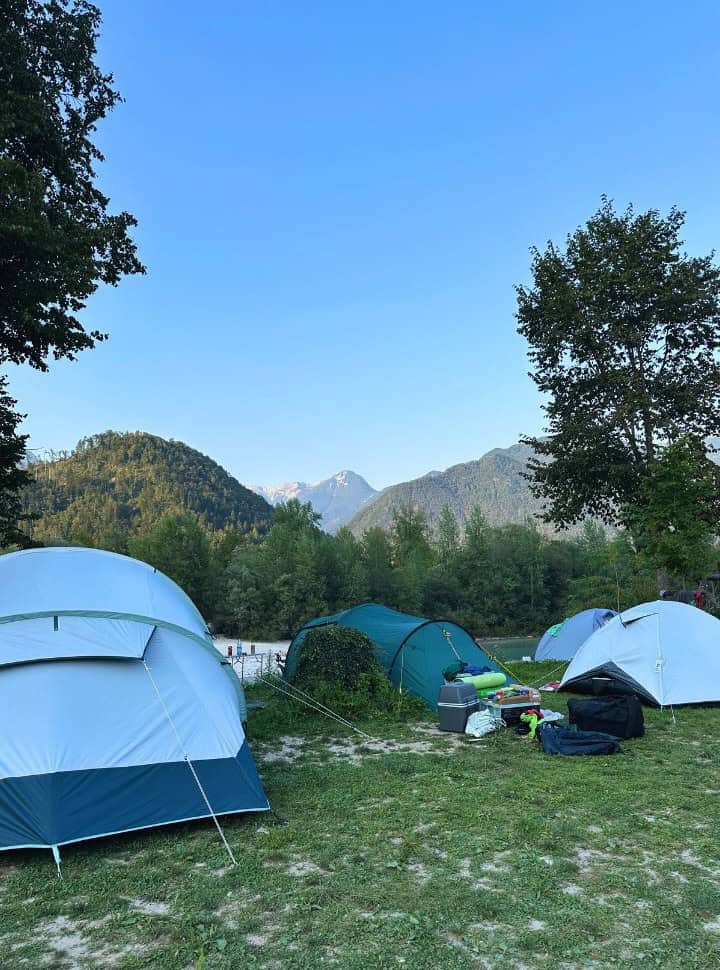
Camping definitely saved us some cash and gave us those picture-perfect mountain views right outside our tent—but let’s be real, it wasn’t exactly the bargain we had in mind. Call us naive, but we honestly thought we’d be paying €40–50 a night for a tent without electricity… not realizing that even Mother Nature comes with a slightly higher price tag in Slovenia.
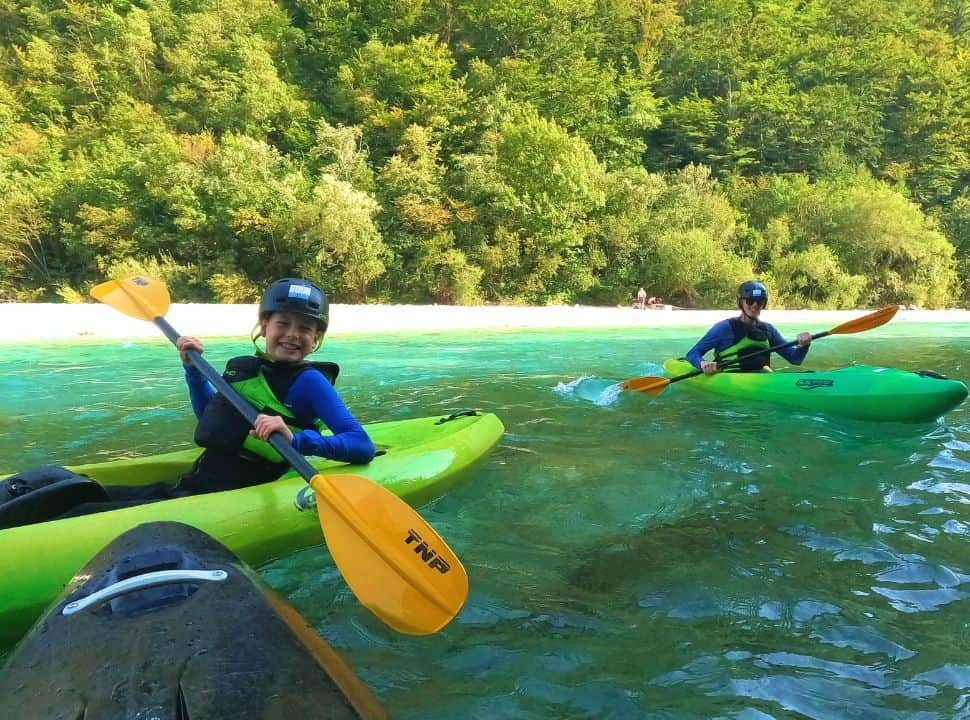
The biggest surprise? Activities. This is what makes Slovenia expensive. We actually thought kayak or rafting tours would be around €35 (like we paid in Greece), but in Slovenia most started at €75—same for zip-lining and canyoning. We’d pictured ourselves doing them all, but the price tag kept us from going too wild.
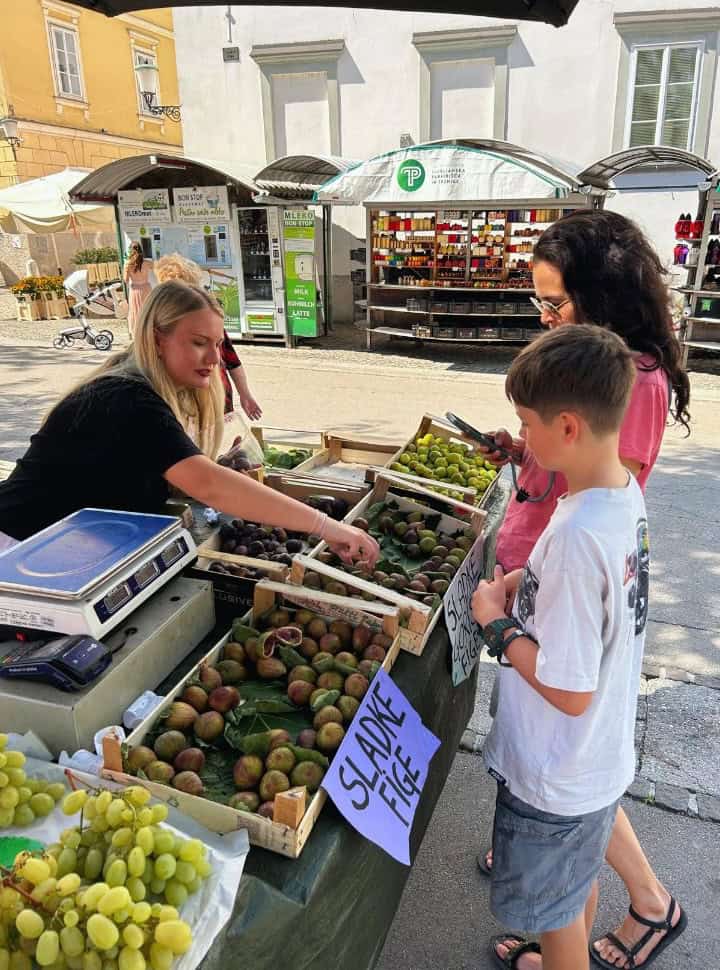
Food was another eye-opener. We honestly thought it would be cheaper than Germany or Austria, considering the average salary is below EU average (source: EURES). But restaurant meals and even supermarket staples like bread, cheese, and fruit were pretty much the same price. Even shopping at Hofer (Slovenia’s Aldi) didn’t make much difference.
Is Slovenia an expensive destination?
No, Slovenia isn’t expensive to visit. Compared to other European summer destinations it definitely isn’t and the free stuff balanced it out: hiking, waterfalls, river swims, and just being outside.
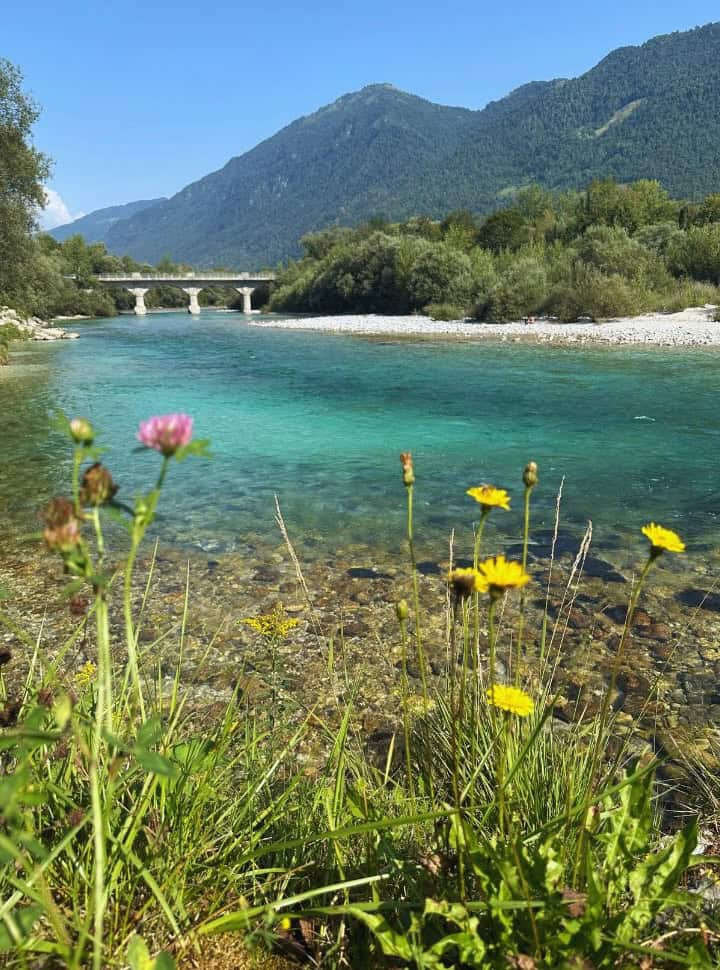
Looking back, yes—we spent more than we thought. But those evenings cooking under the stars and kayaking along the bluest river ever? Worth every euro.
Now, if you’re a hardcore budget traveler, these numbers probably made your eyebrows shoot up. Especially when you can read online that Slovenia can be done for $35–$50 a day on a budget, $50–$80 mid-range, and $250+ for luxury.
So why was our visit to Slovenia more expensive and how can we (and you!) save a bit when visiting this amazing country.
Let break it all down to get to the bottom of this.
Getting to Slovenia – Budget Tips
If you are not coming from Europe or don’t want to drive too long (we surprisingly saw a lot of cars from the United Kingdom?!?) then there is no other way then to fly in or grab a train.
Flying into Slovenia – Budget Tips
Ljubljana has its own airport, but plenty of travelers also fly into nearby hubs like Zagreb, Trieste, or Venice and hop a bus or shuttle across the border.
How much are flights to Ljubljana?
Like everywhere in Europe, prices swing wildly with the season. In July and August, round-trip fares from Europe often climb above €200–€300, while long-hauls from the US can easily hit $900+. If you can wait until September or November, you’ll find much better deals.
Low-cost airlines keep things competitive. Think Ryanair, easyJet, Wizz Air, Eurowings, or Transavia. Fares as low as €55–80 one-way aren’t rare if you book early and fly off-peak. Full-service carriers like KLM, Lufthansa, and Swiss are reliable but pricier.
Here’s an idea of what you can find:
| Route | Airline | Low season (Nov–Mar) | Peak season (Jul–Aug) | Notes |
|---|---|---|---|---|
| London/Manchester → Ljubljana | easyJet | £55–65 | £122–135 | Solid off-season deals |
| Europe hubs → Ljubljana | Ryanair | €56–80 | €110–160 | Also flies to Trieste & Venice |
| Amsterdam → Ljubljana | Transavia | €138 | €168 | Nonstop, budget-friendly |
| Amsterdam → Ljubljana | KLM | €169 | €205 | Nonstop, but pricier |
| JFK → Ljubljana (via Zurich) | Swiss | $387–617 | $700–1,300 | One of the cheapest US routes |
Budget flight hacks
- 📅 Travel off-peak – September or November = better deals.
- ⏰ Book early – ideally 6–10 months ahead.
- 🛫 Stay flexible – shifting your trip by a day or two can save €€.
- 💸 Go low-cost – Ryanair, Wizz Air, Volotea often beat Lufthansa or KLM.
- 🌍 Check nearby airports – Venice (~179 km), Trieste (~83 km), and Zagreb (~126 km) often have cheaper fares. Add a shuttle or bus and you might still come out ahead.
Here is quick overview of what to expect when to an nearby airport:
| Option | Example fare (low season) | Ground transfer to Ljubljana | Total approx. | Notes |
|---|---|---|---|---|
| Direct to Ljubljana (LJU) | €169 return (KLM, AMS–LJU) | €0 (land right there) | €169 | Easiest, but rarely cheapest |
| Venice Marco Polo (VCE) | €60–90 return (Wizz Air / Volotea) | €23–30 (GoOpti shuttle, 2h20) | ~€90–120 | Often the best combo of cheap fares + frequent shuttles |
| Trieste (TRS) | €80–120 return (Ryanair, easyJet) | €15–20 (bus or shuttle, ~1h30) | ~€95–140 | Small, closer airport; fewer flight options |
| Zagreb (ZAG) | €100–130 return (Ryanair / Croatia Airlines) | €6–17 (FlixBus, 2h–2h15) | ~€110–145 | Good alternative if you find a sale fare |
International Trains to Slovenia – Budget Tips
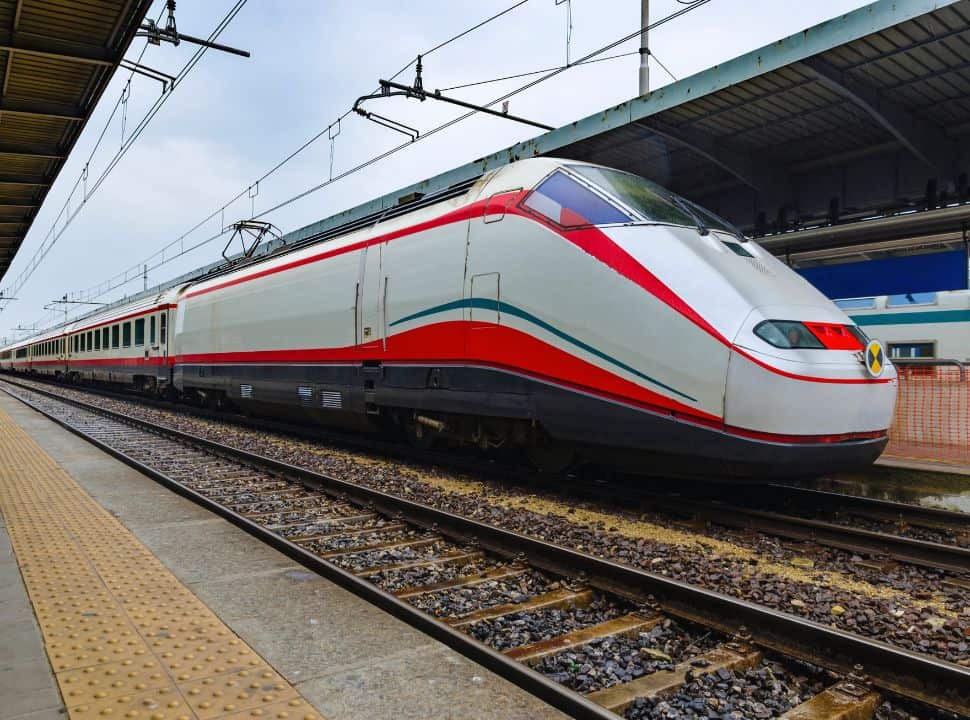
We didn’t take the train ourselves, but if you’re planning a trip to Slovenia, it’s definitely worth considering. Trains connect Ljubljana with nearby cities like Vienna, Munich, and Zagreb, and even farther spots like Zurich with overnight options. It’s a comfy and scenic way to arrive without the stress of airports.
Short routes from neighboring countries often start around €20–40 if you book in advance. Longer journeys (like Amsterdam–Ljubljana) take 14+ hours and cost more, so they’re best if you’re already doing a big rail trip. Eurorail passes are valid here too, which makes Slovenia an easy add-on to a multi-country adventure.
If you love watching the landscape roll by, trains are a relaxing and practical way to reach Slovenia—and you’ll arrive right in the city center, ready to explore.
Accommodation Costs Slovenia
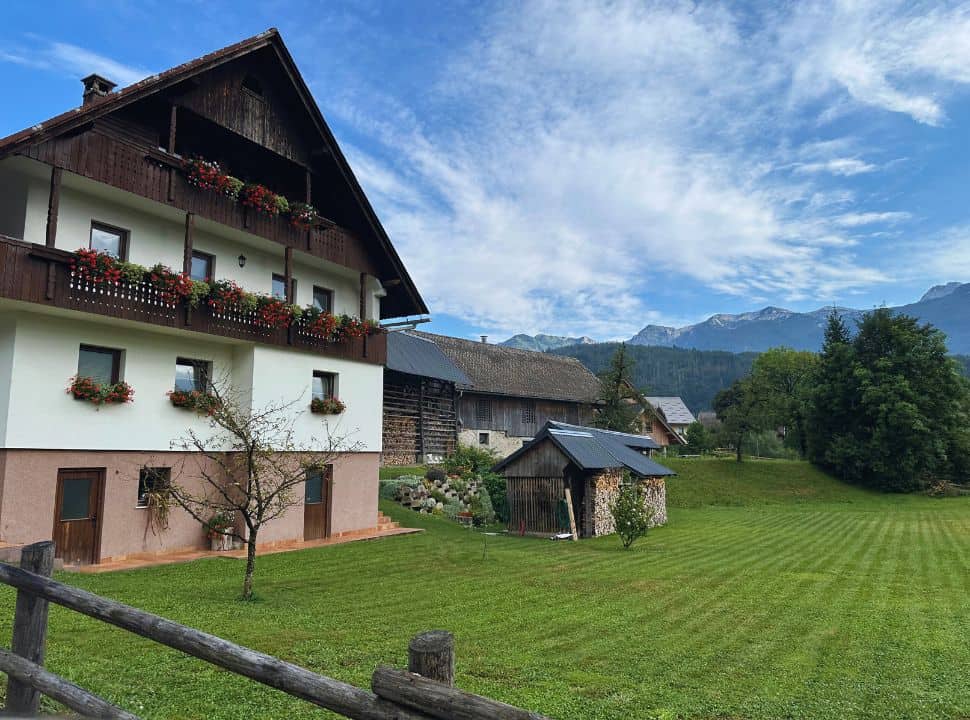
Let’s start off with a quick general overview of the costs for accommodation in Slovenia.
| Accommodation type | Low / Shoulder Season | Peak Season |
|---|---|---|
| Camping (own tent / regular pitch) | ~ €10-20 per person/night; cheaper campsites around €15-25 for tent + basic pitch. | ~ €30-45+ per person; more for river-view, premium pitches, private bathroom etc. |
| Budget / Hostel / Guesthouse | ~ €30-50 for dorm beds or basic private rooms in smaller towns; private rooms ~€40-60 in cities outside the absolute hotspots. | ~ €80-100+ for private rooms in popular areas; dorm beds/hostels climb too. Peak weekends often add a surcharge. |
| Mid-range Hotels / Comfortable Guesthouses | ~ €70-100 in good locations; nice guesthouses with breakfast, decent amenities. | ~ €150-180+ in premium towns (Bled, Ljubljana, coastal or lake front), or for nicer rooms with views, extras. |
| Luxury / Boutique / Glamping / Resorts | Even in low season, luxury stays tend to start from €150-200+ per night for high-end glamping or boutique hotels. Views, service, spa, private amenities raise the price. | In peak season, expect €200-300+ easily; very premium properties, top glamping cottages or luxury resorts may go beyond that. For example River Camping Bled’s top cottages reach €300/night in top season. |
Is accommodation in Slovenia expensive?
When we started looking for accommodation in August, our jaws nearly hit the floor. Hostels asking €55 a night for a dorm bed? The cheapest double rooms we could find starting at €114? For a country with a reputation as a cheap destination, Slovenia can suddenly feel expensive to visit—especially in high season. €114 isn’t outrageous compared to Western Europe, but it definitely wasn’t the budget-friendly paradise we imagined.
So, instead of emptying our savings for a few nights in a guesthouse, we opted for camping—mountain views, fresh air, and yes, a much friendlier price tag (even if not as cheap as we naïvely expected)
Recommended Campsites in Slovenia
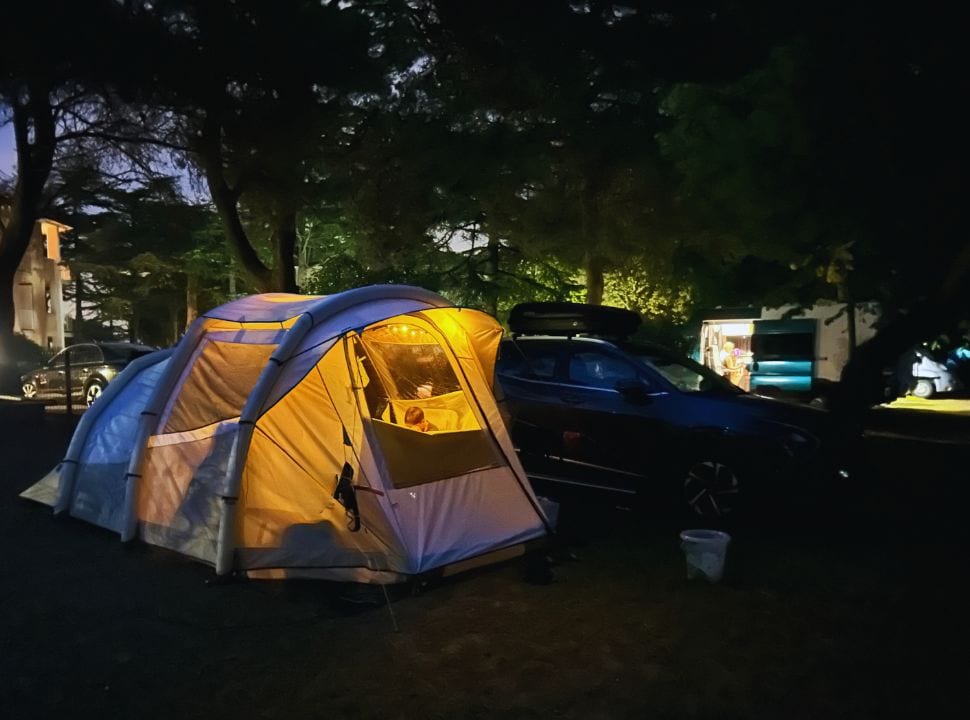
We camped our way through Slovenia in peak summer—and what a ride that was. Think mornings with toast and eggs by the Soča River, mountains glowing in the background… and also, pitching a tent while dodging thunderstorms and bloodthirsty mosquitoes. Ah, the full camping experience.
Even in high season, we learned you don’t always need to book far ahead. Online it looks like everything’s sold out, but if you’ve got a tent or camper and don’t need electricity, chances are you’ll find a spot.
We only booked our first campsite in the Soča Valley and then from there let the weather decide next—risky at times (yes, showing up to full sites is stressful!), but the flexibility meant we could dodge bad weather. And while we couldn’t escape the rain completely, heading to the coast definitely meant fewer downpours than in the mountains.
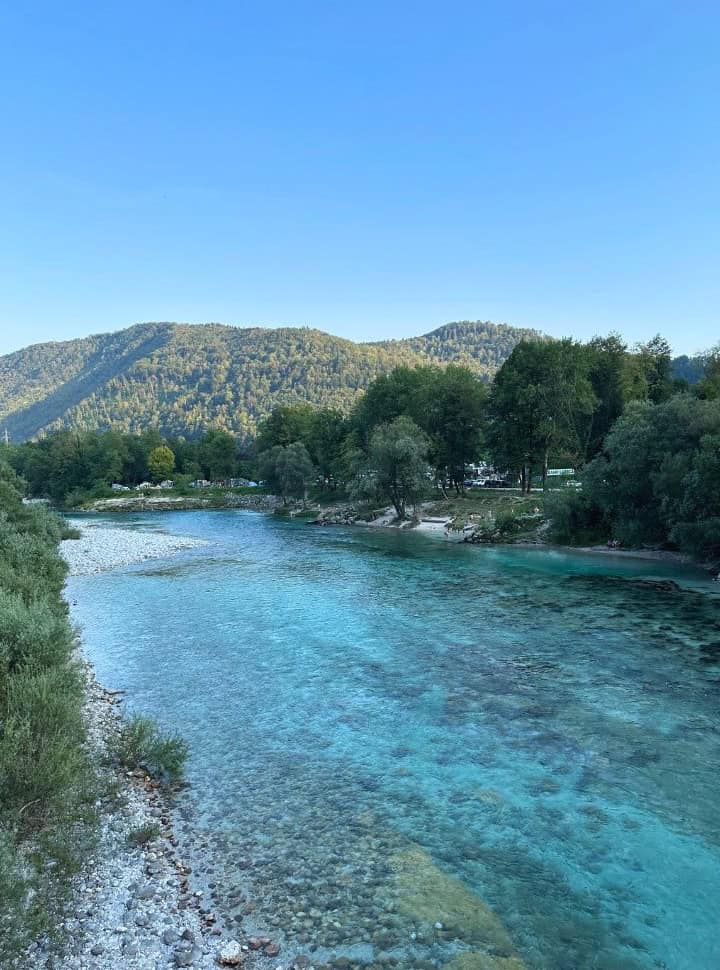
Campsites we tried & loved
- Camp Danica (Bohinj) – Huge campsite by the river. A little chaotic (pitch wherever you like) but the showers and toilets were spotless.
- Camp Belvedere (Izola, coast) – Great facilities, stunning views, but so many mosquitoes. We basically hid in our tent during thunderstorms and bite attacks. If you come prepared, an ideal spot to explore the coast and go swimming.
- Camp Labrca (Tolmin, Soča Valley) – We pre-booked a spot here, but noticed early birds (before noon) could grab a field spot without one. Swimming in the river just steps from our tent? Absolute highlight.
Campsites still on our wish list
- Camp Bohinj – Right by the lake, but in peak season it felt more like a tent city than a peaceful retreat.
- Soča Gorge Camping – Right next to the gorge itself. Imagine waking up and walking straight to turquoise waters.
- Camping Koren or Lazar (Kobarid) – Near Kozjak Waterfall and the Soča River, perfect for a refreshing dip. It’s a popular campsite for good reason so avoid going in July/August as it was packed.
Recommended Accommodation
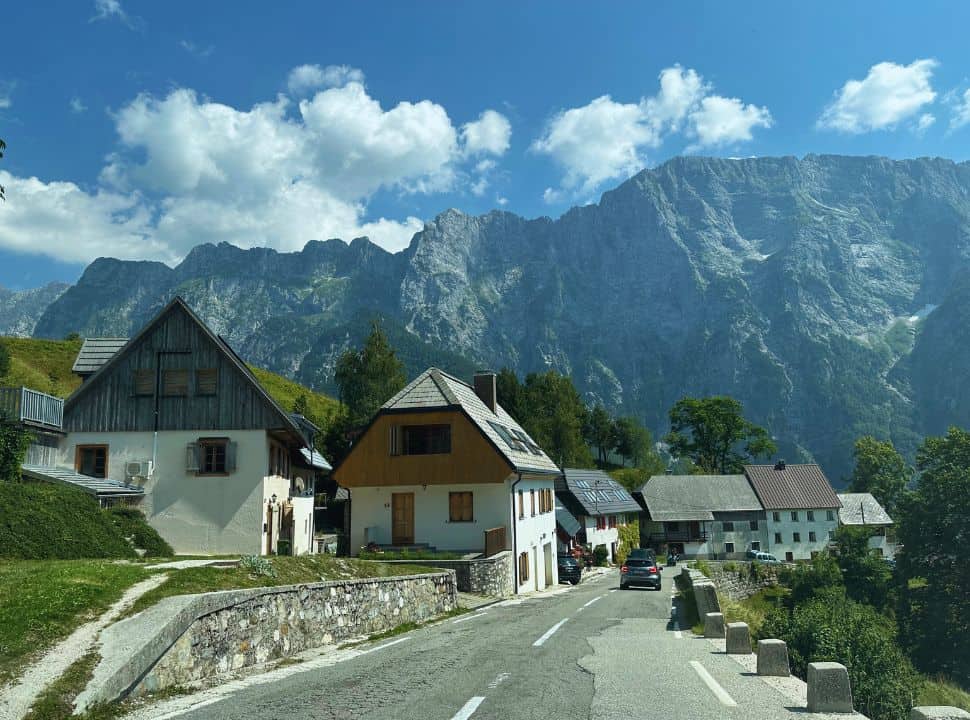
As mentioned, we didn’t stay in traditional hotels this time—camping was calling—but we wandered past enough gorgeous guesthouses and old stone homes to see it’s totally worth it.
If you prefer a cozy bed & breakfast, an old farm-house or a guesthouse in a quiet village, Slovenia has no shortage. Below are some of the ones that caught our eye (or got glowing reviews), plus where to stay for different moods.
Ljubliana
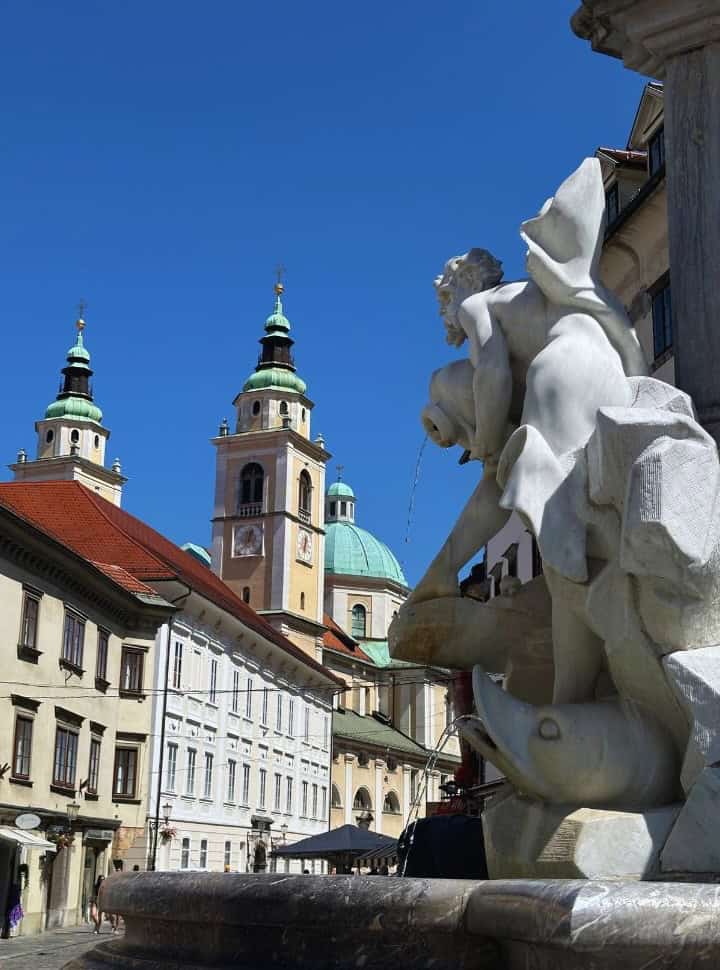
Staying in Ljubljana is pretty expensive. In the shoulder month February you can find a hostel for around 40 a night, but most accommodation start from 70 euros doubling in the peak months July and August.
You can either choose to stay right in the heart of it all if you want cafés, nightlife, walking everywhere. Or just find a cozy spot just outside town but still have easy access to the city.
📍Budget AdHoc Hostel – Clean, modern, and right on the main street. Their spacious double room with spotless shared bathroom is popular, so make sure to book in advance.
📍Mid Range Petkovšek Rooms and Apartments – Just steps from Ljbubljana’s old town and river, the super friendly staff will welcome you at the quiet courtyard oasis with spacious, spotless rooms.
📍Luxury FishSquare – Stay in a stylish historic building in the heart of Ljubljana—quiet when you need it, full of charm when you step outside, and stocked with everything from fresh coffee to thoughtful local tips.
Soča Valley
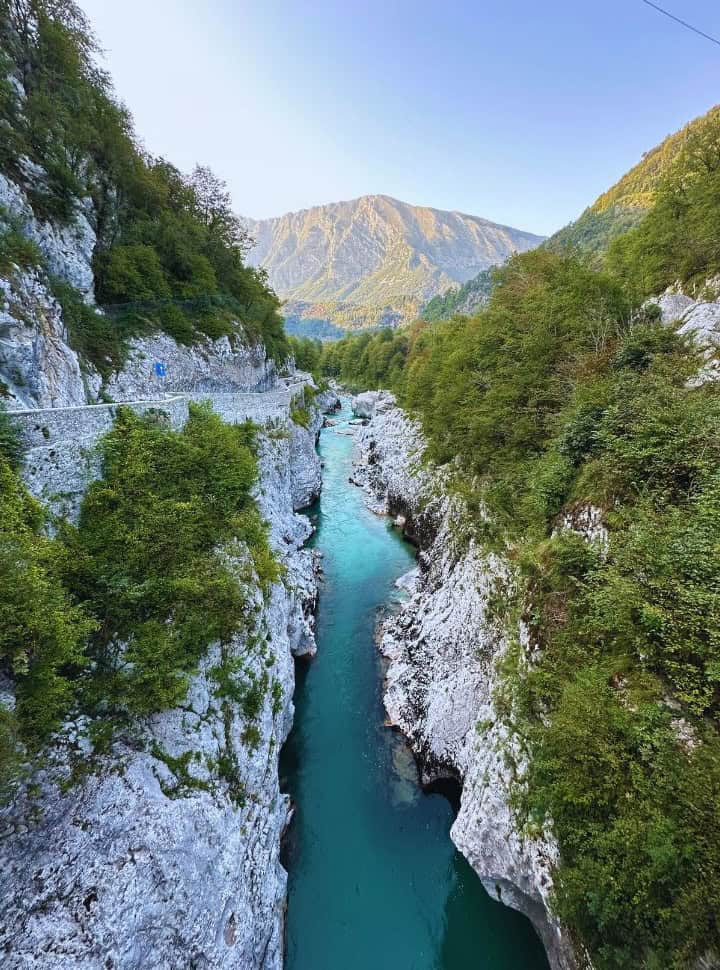
If you want nature, mountain views, rivers, quiet nights and waking up to birds, this is your region. Guesthouses or farmhouses here are often charming and peaceful.
📍Kobarid Cosy cottage with views near Kobarid – A cozy little house just minutes from waterfalls, gorges and the emerald Soča is a cozy and clean place to exploer this gorgeous area. Set in a lovely garden with stunning mountain views. Check availability and rates here.
📍Bovec Apartments Kaninska Vas – A spotless, well-equipped apartment with a balcony view you’ll never forget plus wonderfully welcoming hosts who make you feel right at home in Bovec.
📍Tolmin Apartments Volče – Modern, spacious, and unbeatable value—this Tolmin apartment comes with a pool and mountain views, a full kitchen, and everything you need for exploring the valley.
The Lakes
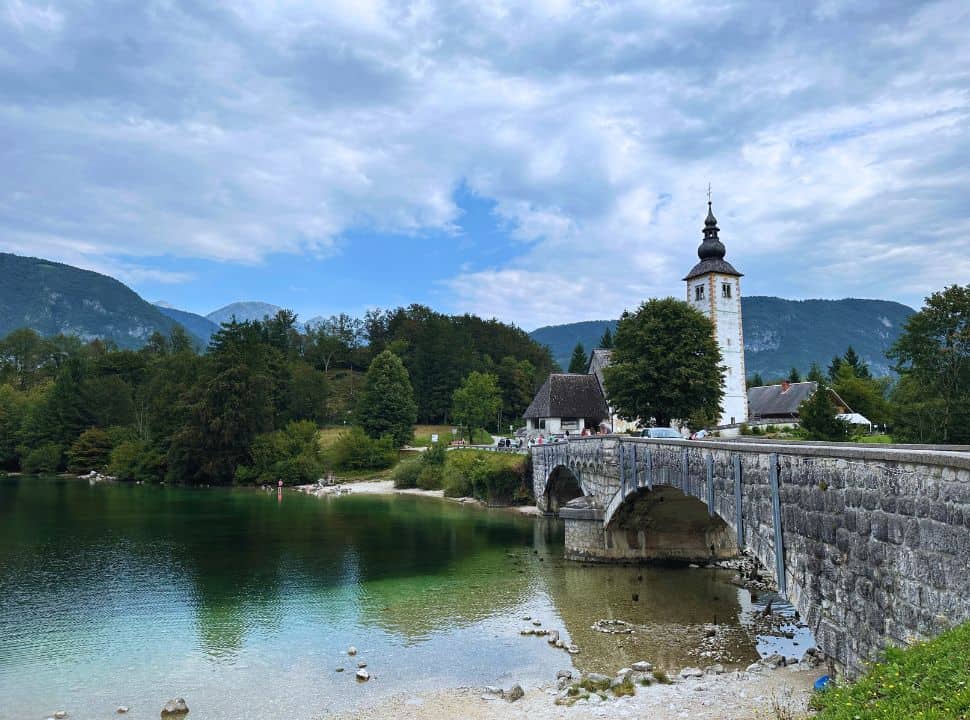
If you want beautiful lake views + easy access to hikes + a mix of nature + charm, then you must stay at one of Slovenia’s popular lakes. Bohinj is quieter, more nature-immersed; Bled has more buzz (cafés, boats, more tourists).
📍Bled Old Bled House – A charming, well-renovated old house with comfy rooms, helpful staff, and a perfect spot just steps from the lake—plus free parking, a rare treat in Bled.
📍Ukanc Red Beach Cabin near Lake Bohinj – A charming forest lodge with spacious, comfy rooms, a lovely veranda for evening meals, and a peaceful location just minutes from the lake and Vogel cable car—perfect for nature lovers.
📍Stara Fužina Apartmaji Vesna near Bohinj Lake – Super clean and comfy apartment with gorgeous mountain views, just a short walk from the lake—made even better by Vesna, who’s the kind of host that makes you feel right at home and helps you discover the best of Bohinj.
The Coast
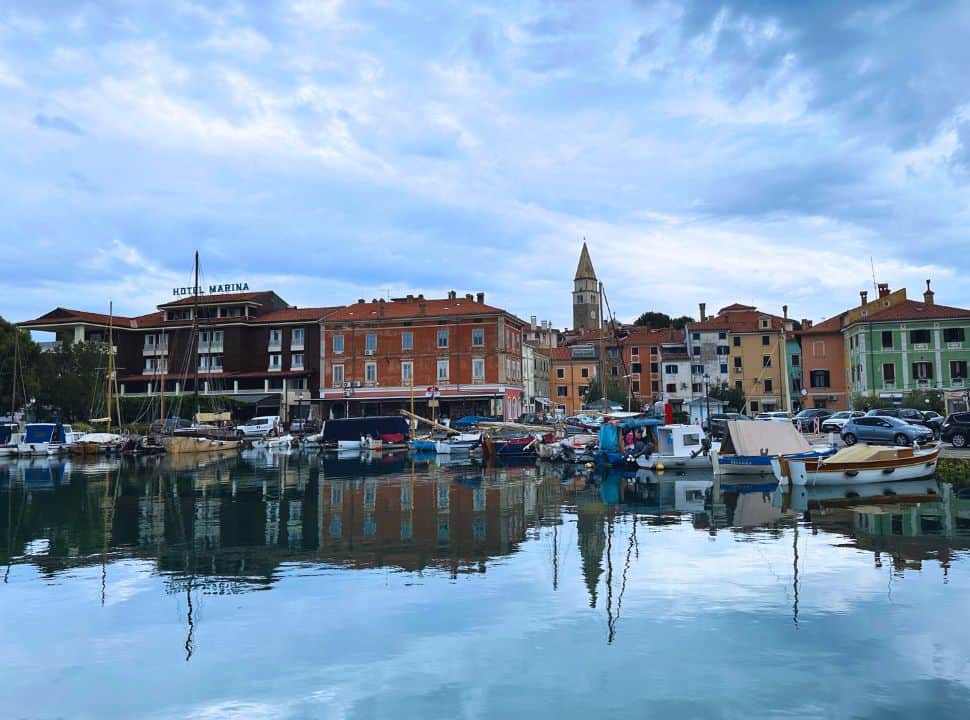
The most popular coastal towns in Slovenia are Piran, Portorož and Izola. While Piran is considered the most characterful of them all (Portorož is charming in its own way), we enjoyed Izola more. In the summer months, Izola felt more relaxed and attracted a smaller crowd.
📍Izola Bellevue – A spacious, spotless apartment with breathtaking sea views, comfy beds, and wonderfully welcoming hosts—perfectly tucked away from the crowds yet just steps from restaurants and the center.
📍Piran Hotel Zala – Right in the heart of Piran’s medieval center, this charming hotel pairs comfy rooms with a fantastic breakfast, a quiet location, and a rooftop terrace perfect for soaking in the views.
Transportation & Rental Cost in Slovenia
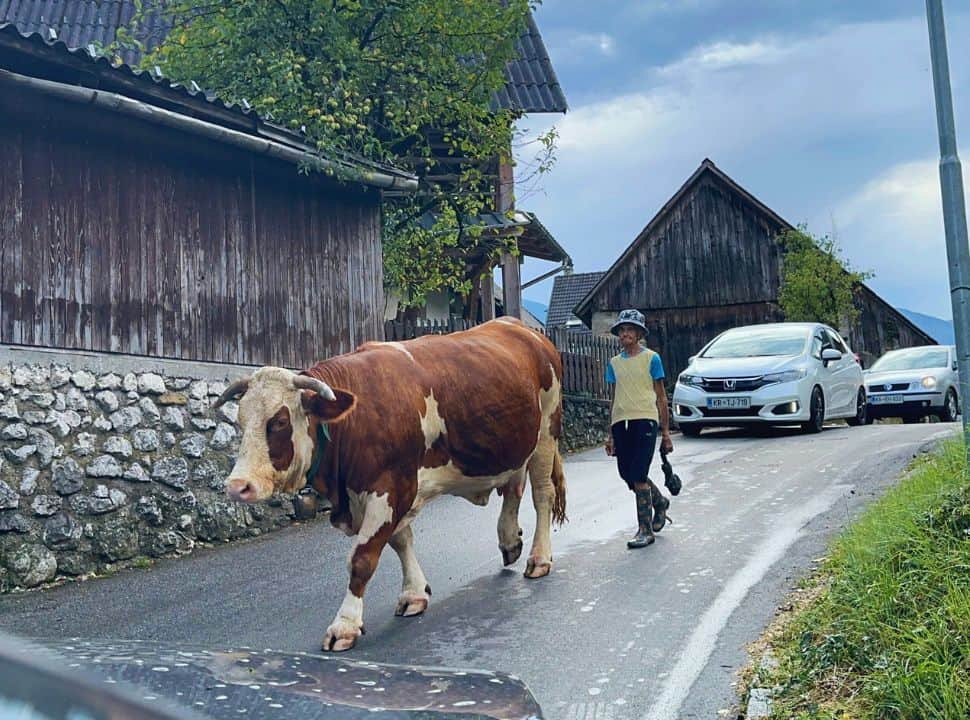
If you really want to uncover all of Slovenia’s hidden gems, having wheels is a must. While some adventurous souls explore the country by bicycle, for most travelers, a car is the easiest and most flexible way to get around. We drove our own car, but if you’re flying in, renting a car is your best bet.
Car Rental
Slovenian roads are generally excellent, though some can get narrow, so don’t pick a car that’s too big if you’re not confident with tight turns. Rental prices vary depending on age, insurance, and transmission type—automatic cars are less common than manual, which can make them pricier. Otherwise, car rentals in Slovenia are surprisingly affordable.
In the low season expect to pay around €20 a day for the smallest car model such as a Renault Twingo. Prices double or even triple in the high season. Expect to pay around €45 to €60 a day. Get a clear picture of rental costs—browse prices from reputable companies here.
Paid Parking
Parking in Slovenia comes with a price tag at almost every major sight. Lake Bled hit us hardest at €4 an hour—definitely the priciest spot we came across. Savica Waterfall wasn’t much kinder with its €5 flat fee, even if you’re only popping in for half an hour. The good news? Less popular spots usually charge just €1–€2 per hour. Your wallet will thank you if you’re willing to walk a bit further from the center. Just a tip: don’t risk parking outside marked areas—tickets are common, and plenty of travelers have learned that lesson the hard (and expensive) way.
Motorbike & Scooter Rental
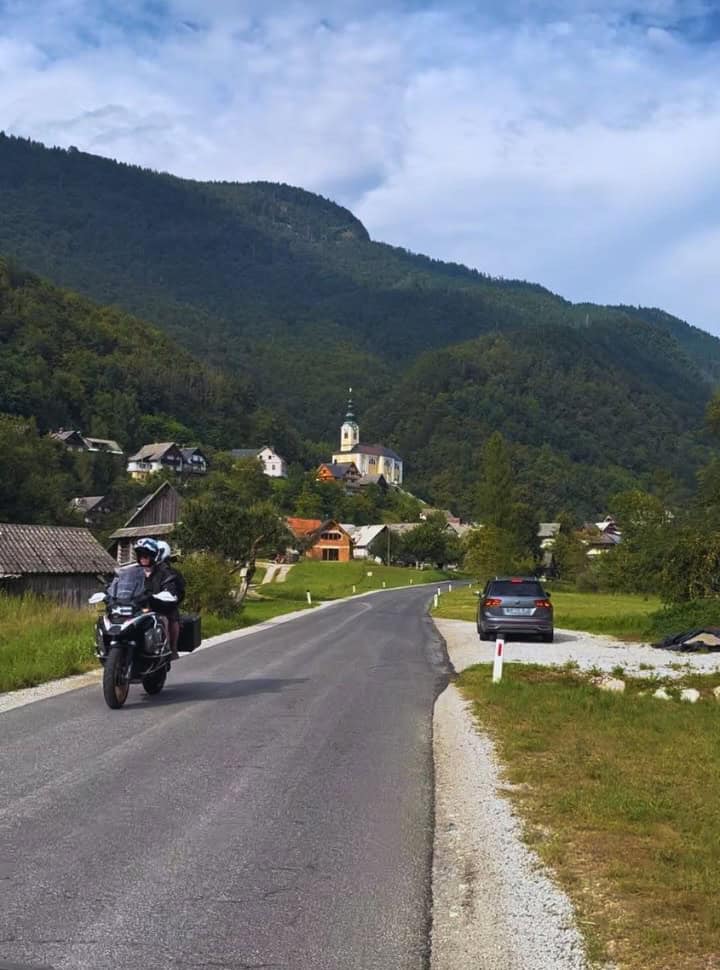
Slovenia is a dream destination for motorbike enthusiasts thanks to its scenic routes. Scooters are also a fun option, especially for zipping around Ljubljana or coastal areas. While the hills might make a scooter less practical for long trips, it’s a great way to experience the city and nearby sights with a bit more freedom than a car.
Motorcycle and scooter rental prices in Slovenia vary by model, location, and season. For scooters, daily rates in Ljubljana start at €55 for a 50cc Piaggio Fly or similar, with 125cc models around €65 per day. High-powered scooters (300–530cc) cost €110–€130 per day. In tourist areas like Bovec, a full-day scooter rental is commonly priced at €73, including helmet and basic insurance. Contact Plesko Moto in Ljubljana for more details.
For motorcycles, daily rates start as low as €45–€55 for entry-level models like a Honda CRF 300 or Royal Enfield Himalayan, while larger adventure or touring bikes (like a BMW F 750 GS or KTM 890 Adventure) are €100–€135+ per day in high season. Check for more details Europe Moto.
Public Transportation
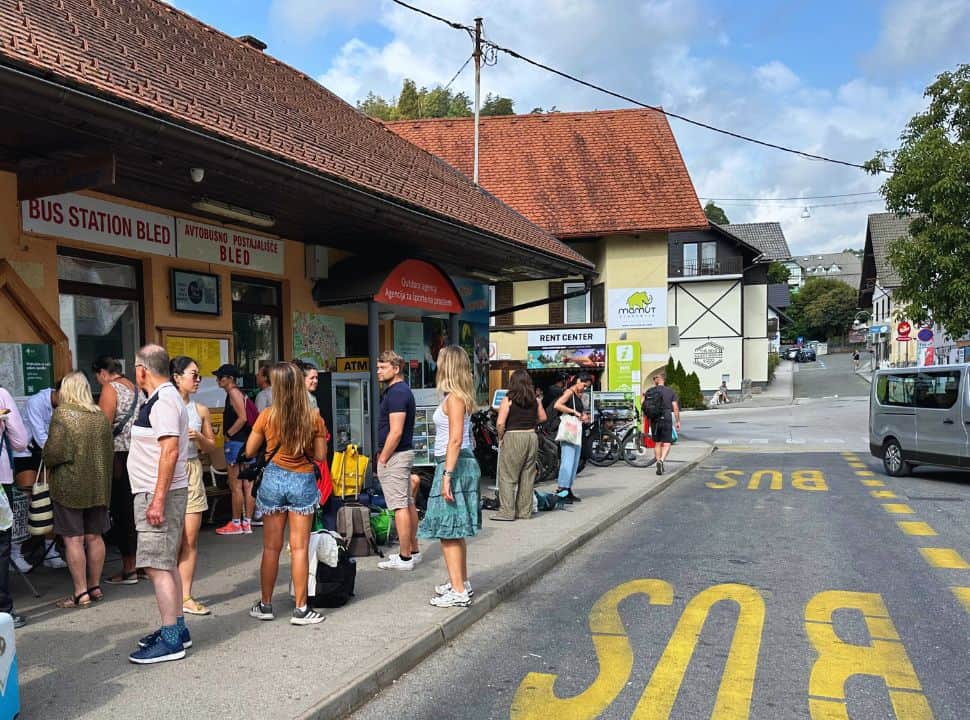
Yes, Slovenia national bus and train networks are well organized—buses connect nearly every town and natural site, while trains offer quick and comfortable travel between cities like Ljubljana, Maribor, and Koper, with stunning views along routes such as Ljubljana–Lake Bled or Ljubljana–Koper.
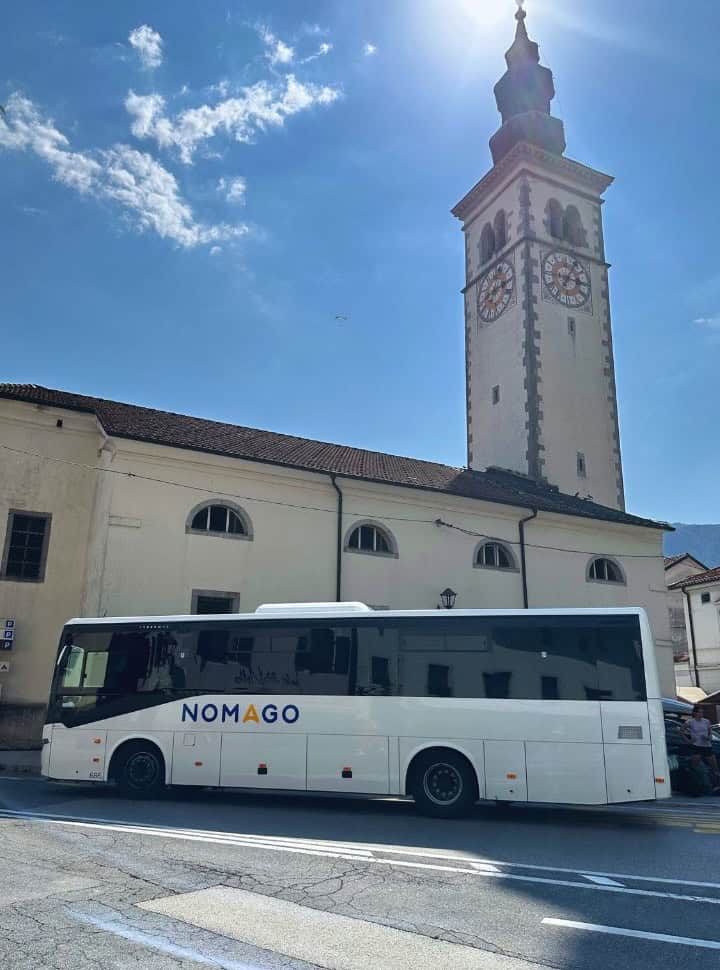
For city travel, urban buses run frequently in Ljubljana, Maribor, and other major towns.
Timetables are available online on operators such as NOMAGO and the Ljubljana Bus Station website. You can purchase tickets here as well but for short distances you can also buy a ticket (usually cash) when boarding the bus.
For longer journeys or direct airport transfers, group shuttle services like GoOpti and Markun Shuttle operate between popular destinations including Ljubljana, Lake Bled, Bohinj, and nearby airports.
If you really want to see Slovenia beyond the tourist trail, rent a car. Public transport is fine for the main spots, but some of our favorite adventures—like hidden waterfalls and quiet gorges—were only reachable on four wheels. Even if you’re traveling on a budget, we’d recommend setting aside a little extra to rent a car for at least a few days. This will make your visit to Slovenia a bit more expensive, but trust us, it’s worth it.
Bike Rental
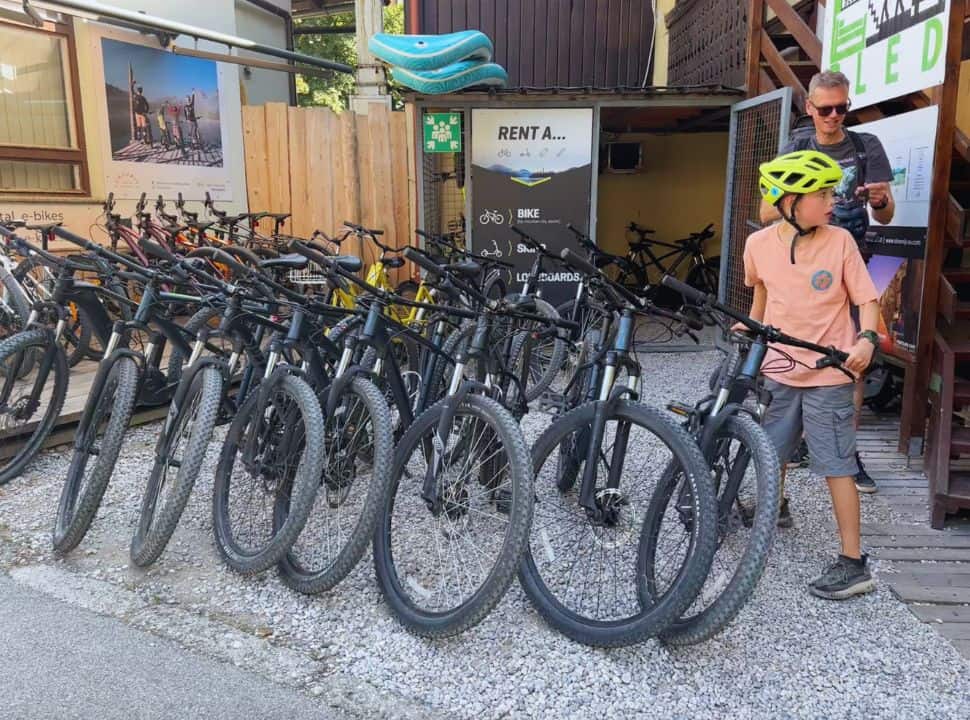
If you’re planning a full Slovenia tour, nothing beats bringing your own bike—but if you’re relying on public transport or just want to leave the car for a day, renting locally is a fantastic way to reach hidden gems.
We rented a bike at Mamut Slovenija in Bled for 4 hours for €15 euros a person, and it was such a fun way to explore the lake’s surroundings and make our way to the stunning Vintgar Gorge. Easy, scenic, and totally worth it!
Cost Of Eating Out in Slovenia
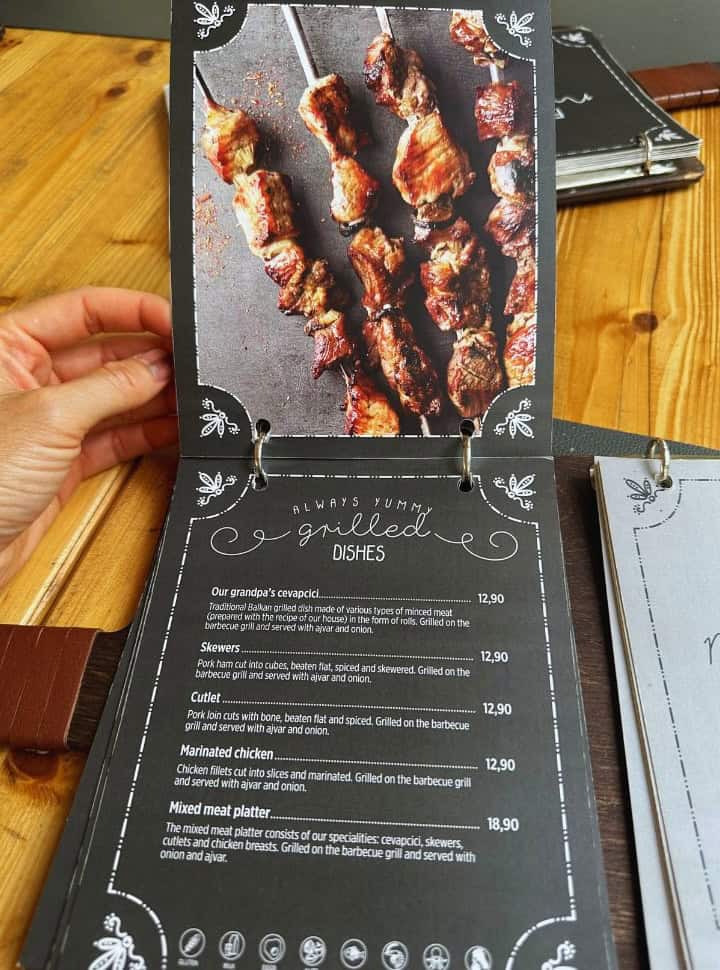
Food in Slovenia was… interesting for us. Since we don’t eat meat, our options sometimes felt limited—pizza seems to be on every menu, along with gnocchi and hearty stews. For a restaurant meal, we usually spent around €20 per person, which felt fair for casual dining but added up quickly if you do more than one fancy meal a day.
Supermarkets were our lifesaver. Prices were similar to Germany, Austria or the Netherlands, and we’d spend about €20 a day per person stocking up for lunches or snacks on the go.
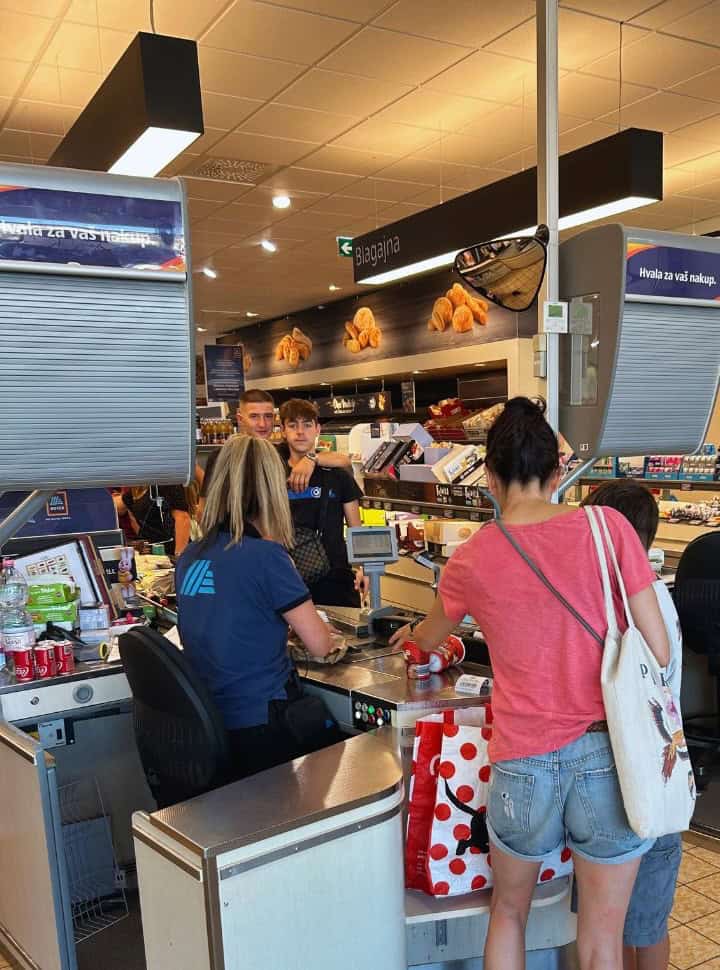
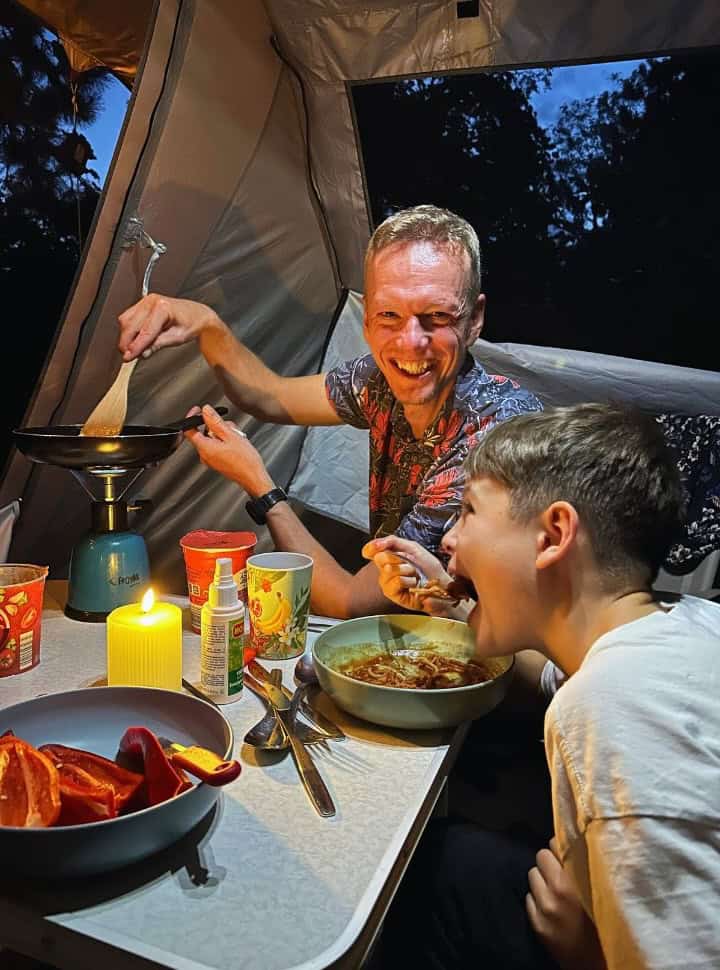
Dining out varies depending on where you are. In Ljubljana, a simple meal at a casual spot costs roughly €10–€15 per person, while a three-course dinner at a mid-range restaurant for two runs about €30–€50. Tourist hotspots like Bled push the prices higher: breakfast €6–€17, lunch €8–€22, and dinners easily €17–€39 or more if you’re in the heart of town.
Eating out can quickly make Slovenia expensive to visit. If you’re trying to keep costs under control, a smart hack is grabbing fresh bread or pastries from a local bakery for lunch (bonus: they’re delicious), and saving your eating-out budget for dinner. That way, you still get the restaurant experience without your wallet crying after every meal
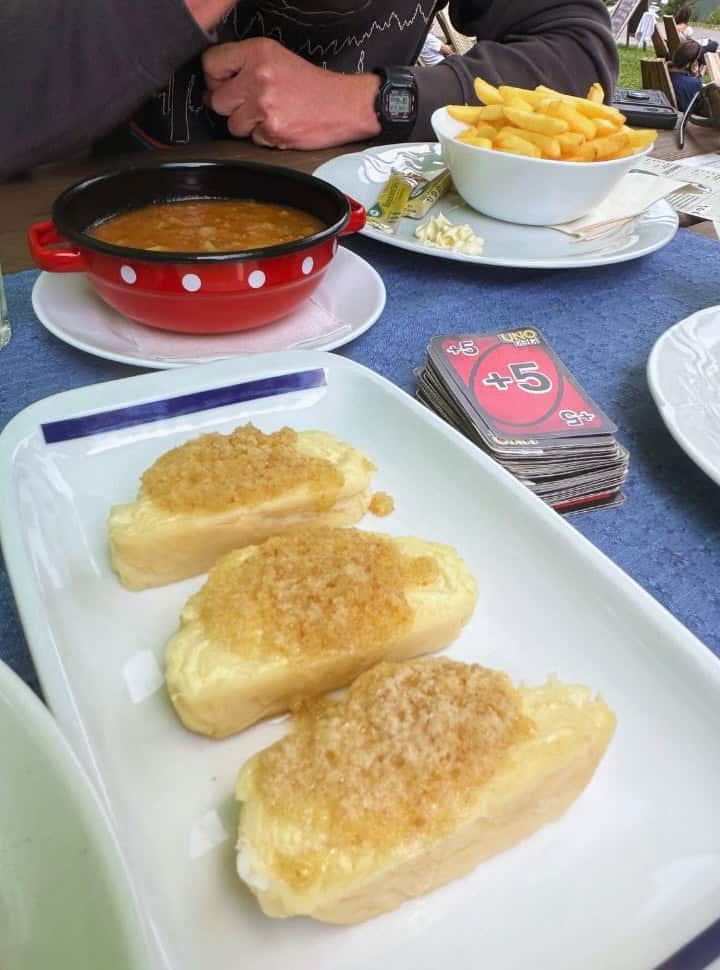
We’re still not sure what made us avoid restaurants more: the pizza fatigue or discovering that gnocchi can apparently be dressed up in 101 different ways. In the end, we actually preferred the simple food moments—picnicking by waterfalls, cooking under the stars at our campsite, or giving in to local temptations like the Bled Cream Cake.
Sure, Slovenia is expensive to visit if you’re dining out all the time, but for us vegetarians it wasn’t just about saving euros—it was about not facing another slice of Pizza Margarita.
Tours & Activities Costs in Slovenia
Slovenia is a playground for outdoor lovers, and we were all in. We imagined ourselves kayaking down the emerald Soča River, zip-lining through lush forests, trying canyoning for the first time, and gliding on a SUP at one of the crystal-clear lakes.
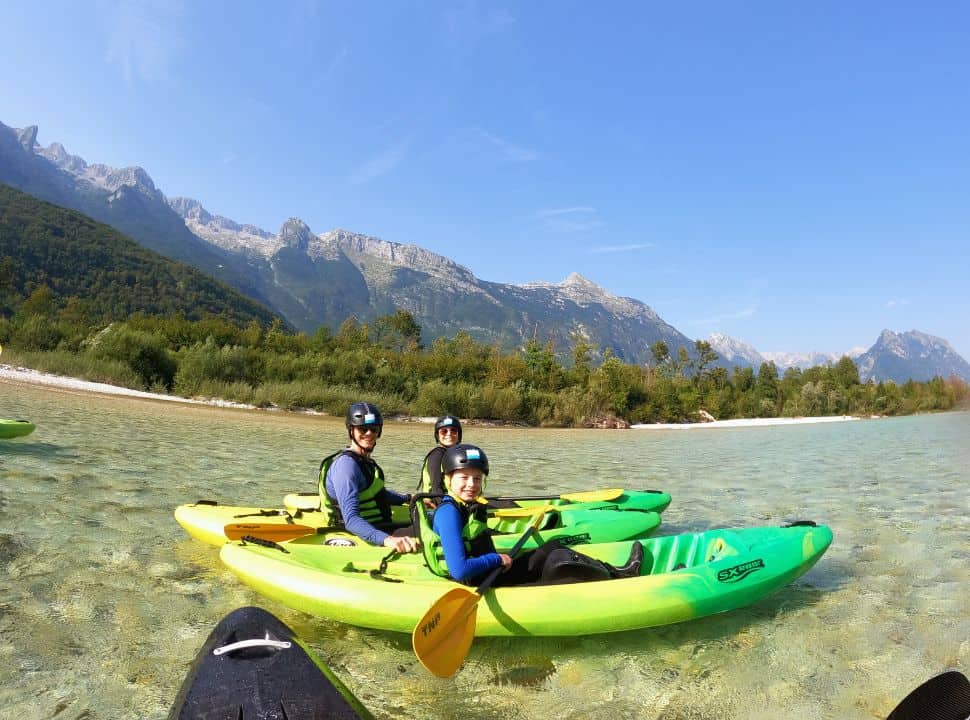
Reality check: these adventures will make your visit to Slovenia expensive. We went in thinking Slovenia was a low-cost European destination, but every activity we checked came in at €65+ per person for a 3-hour tour.
With the three of us, a half-day adventure could easily top €200. Ouch. Sure, you’re paying for top-notch equipment, expert guides, and the limited summer season—but it is still a lot of money for a couple of hours of fun.
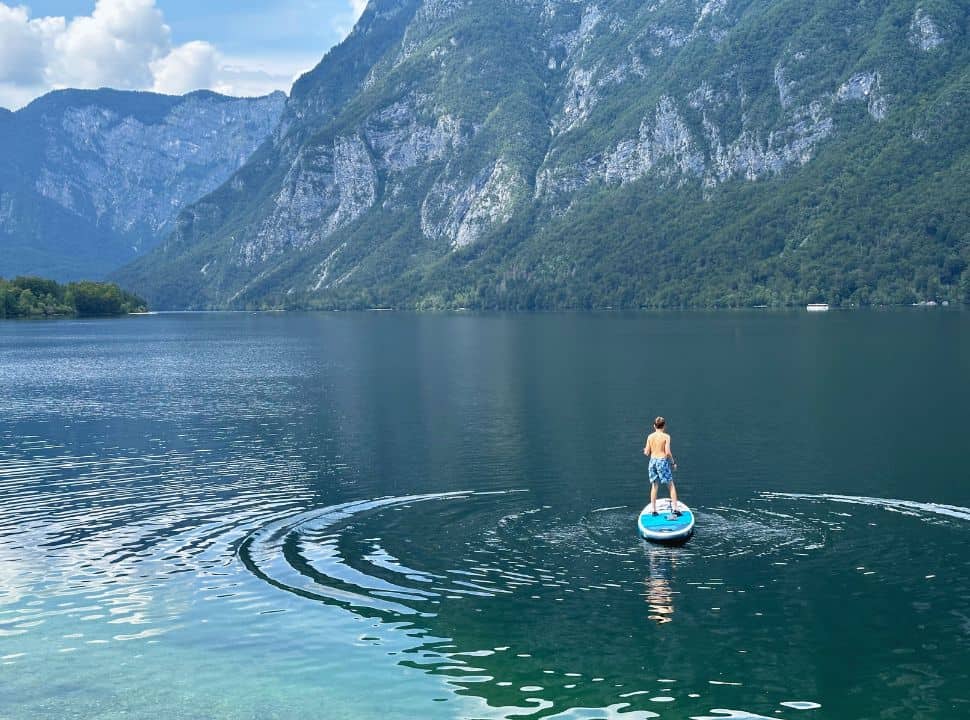
In the end, we focused on a mix of paid and free activities. The kayak tour with Soča Adventure in Bovec was incredible, we rented a SUP from Pac Sports at Lake Bohinj, and mountain-biked around Lake Bled. Other adventures? Mostly free or low-cost.
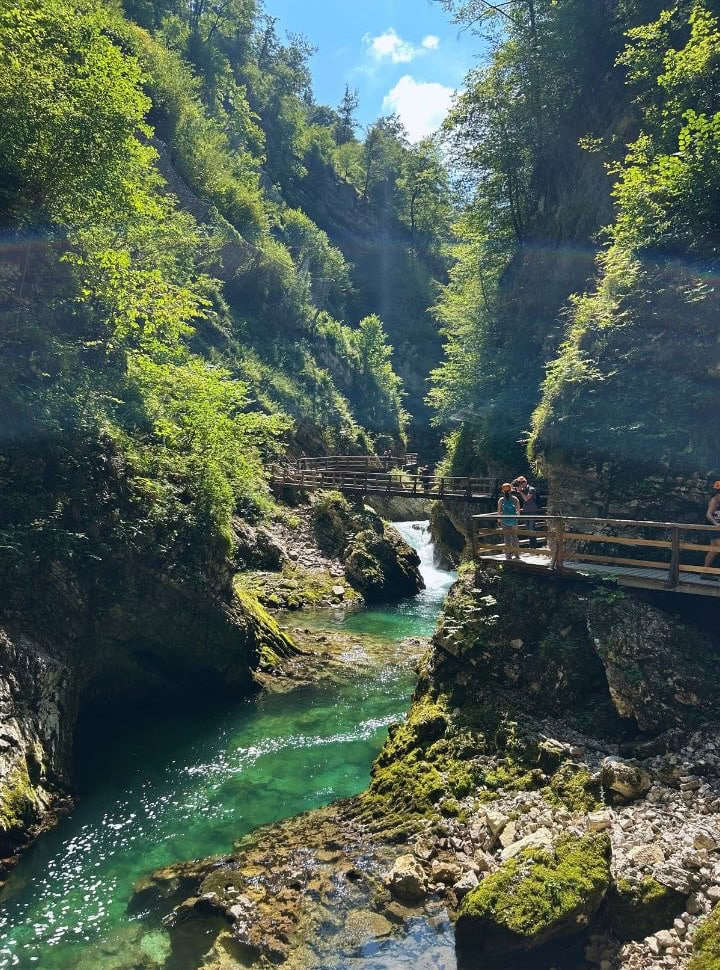
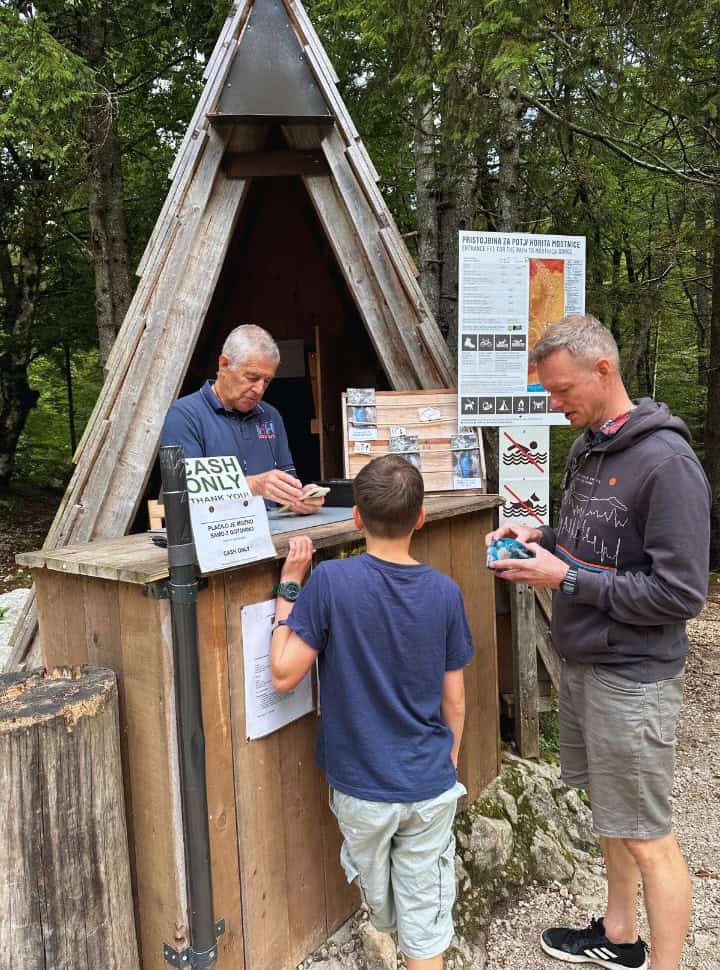
- Waterfalls & Gorges: Most cost around €4 per adult. Tolmin Gorge €10, Vintgar Gorge €15.
- Caves: Postojna Caves (with Predjama Castle) is €46.50, while Škocjan Caves is €22. We picked Škocjan for fewer crowds, and it did not disappoint.
- Parking: Lake Bled hit us hardest at €4/hour; Lake Savica started at €5. Parking adds up fast depending on popularity and location.
Check out which activity you will be adding on your to do list in Slovenia.
Tips For Budget Friendly Activities In Slovenia
- Go for free waterfalls—they’re often quieter and perfect for a swim.
- Pick your gorges carefully; we loved Vintgar Gorge more than Tolmin, and Mostnica Gorge is stunning at just €4.
- Park slightly out of town and walk in—just watch for main-road stretches. Some sights have free parking combined with a free shuttle bus too.
All in all, the experiences we paid for were worth every euro. Just plan wisely and mix in the free gems—you’ll get the thrill without the budget shock.
How To Save Money In Slovenia?
After touring around Slovenia here are a couple of tips that will help you enjoy Slovenia’s natural beauty, charming towns, and rich culture while keeping expenses in check—making every euro stretch further.
Sights
Explore Less Touristy Spots: Prices are lower and crowds smaller in towns like Ptuj, Celje, or the Soča Valley compared to Lake Bled or Ljubljana’s Old Town.
Take Advantage of Free Attractions: Many of Slovenia’s attractions—like hiking in Triglav National Park, swimming in Lake Bohinj, or wandering medieval streets—are free.
Buy Combo Tickets: For cave tours, castle visits, or natural attractions, look for combo tickets or the Julian Alps/Soča Valley cards, which bundle entries and transport for discounts.
Food & Drinks
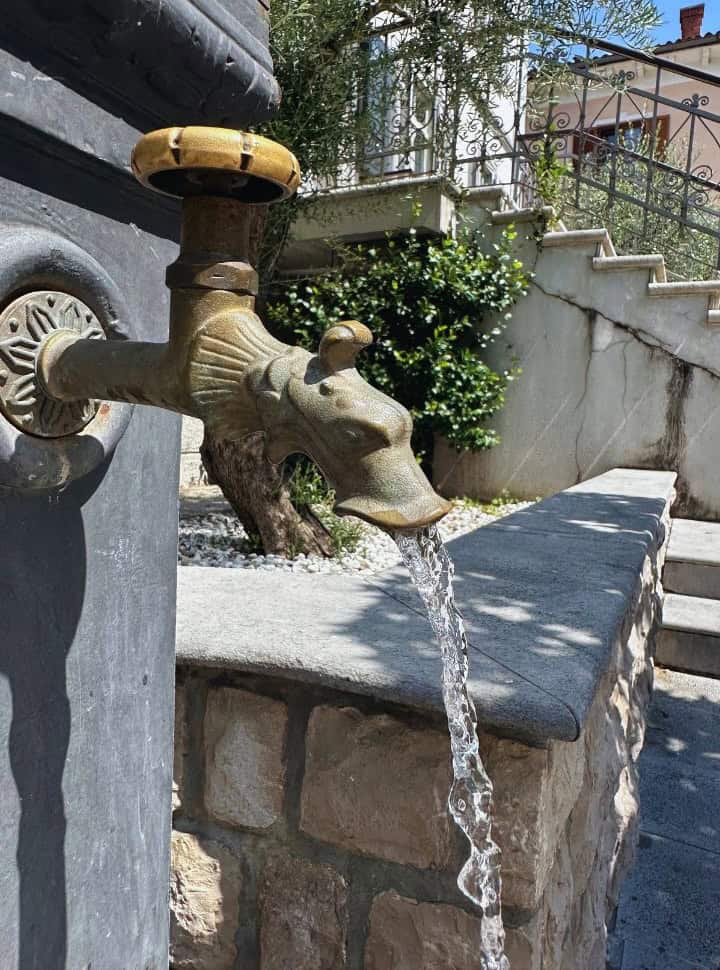
Travel with a Water Bottle: Slovenia’s tap water is clean, delicious, and safe, so refill a bottle rather than buying drinks.
Self-Cater When Possible: Shopping at local green markets or supermarkets and self-catering apartments helps manage food costs; ready-to-eat bakery items and market snacks are widely available and cheap.
Transportation
Rent Cars Wisely: Book car rentals 2–3 months ahead, choose manual small cars, and consider off-airport pick-up to save €100+ per week; decline add-ons if your credit card already provides insurance.
Book Transport in Advance: For both buses and international trains, booking online and ahead of time can secure lower fares, especially in peak season when prices rise quickly.
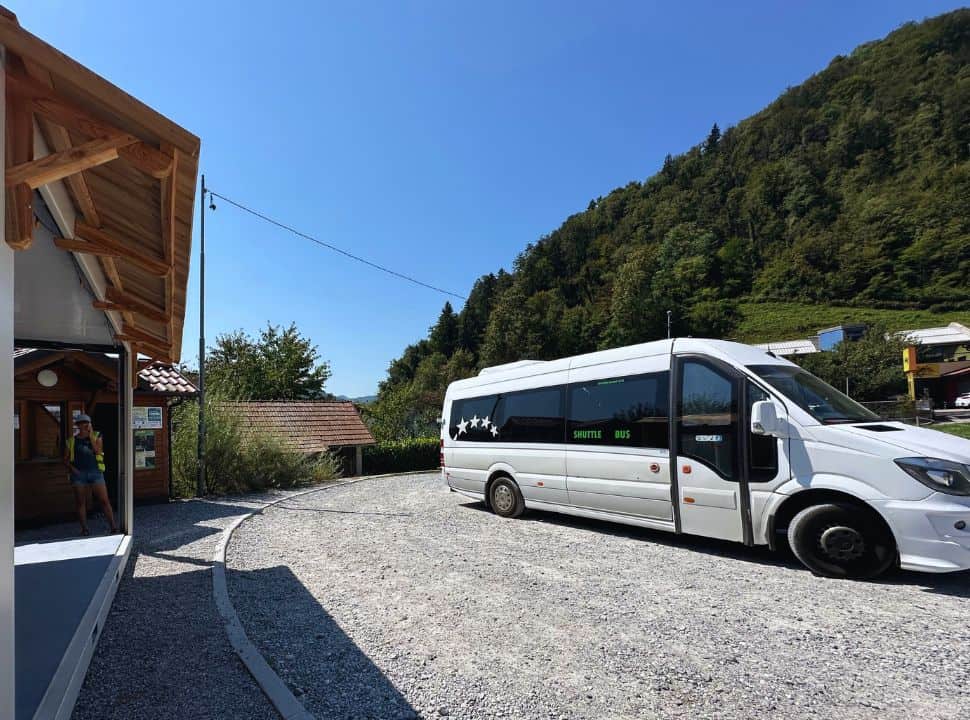
Use Free Shuttle Options: To avoid to much parking costs (they can add up!) you can opt for the many free shuttle options. For instance from Lake Bled there is a free shuttle to Vintgar Gorge, while there is one as well from Tolmin to Tolmin Gorge.
Accommodation
Stay in Hostels or Guesthouses: Slovenia’s network of hostels, zadruga (co-op) lodges, and affordable pensions means travelers can regularly find clean double rooms or dorms for €12–€35 per night outside the main summer rush.
Visit Outside Peak Season: Travel in shoulder or low season (November through March, except holidays) to save big on both accommodation and flights—room rates and airfares can drop by 30–50% versus July/August.
FAQ – Is Slovenia Expensive To Visit?
When is the best time to visit Slovenia budget-wise?
The best time to visit Slovenia budget-wise is during the shoulder seasons (May–June and September–October). While Slovenia can be expensive to visit in peak summer, traveling in spring or autumn means lower prices on accommodation and activities, fewer crowds, and still-great weather—making your money stretch much further.
Is Slovenia expensive to visit compared to Croatia?
In 2025, Slovenia is still about 30% cheaper to visit than Croatia. While both countries have plenty of beautiful places to explore, Croatia’s growing popularity and adoption of the Euro have pushed prices higher, especially in the main tourist areas. Slovenia remains a more affordable option overall, with lower daily costs for accommodation, dining, and activities
Is Slovenia worth visiting?
Slovenia in 2025 is a stunner—towering mountains, crystal-clear lakes, and charming cities like Ljubljana. Sure, it can be expensive if you throw yourself into every tour, meal, and adventure, but honestly, it’s the kind of place where even splurges feel worth it. Between kayaking on emerald rivers, hiking to hidden waterfalls, and sipping coffee with a view, Slovenia delivers memories that are priceless… even if your wallet might disagree!
Wrap Up: Is Slovenia Expensive To Visit?
Slovenia is expensive—or not. It really depends on when and how you travel. Go in peak season, book fancy stays, and sign up for every tour, and your wallet will feel it. Visit in shoulder season, camp along the river, and stick to hiking trails and free waterfalls, and suddenly you can experience Slovenia on a budget after all.
Travelers with all kinds of budget can easily experience the best of Slovenia. For us it was all about mixing a few paid adventures with plenty of free gems. Hiking to hidden waterfalls, kayaking along the emerald Soča, or simply cooking under the stars at our campsite gave us memories that no amount of money could buy.
So at the end of the day, whether you find Slovenia expensive to visit really comes down to your travel style. With a little planning, it can be either one of your pricier trips—or one of your best-value adventures.
Want to read more on traveling to Slovenia?
Family Friendly Things To Do in Lake Bohinj Kids Love
Best Waterfalls to Visit In Slovenia: Our Top Picks
Soča Valley 3 Day Itinerary: Adventure Awaits
Slovenia 7 Day Itinerary: The Route We’d Do Again
LIKE IT? PIN IT
Monico was born in Kuwait and grew up in Indonesia, Malaysia, and Australia, which gave her a unique perspective on the world from a young age. Her first solo travel experience took her to Indonesia, where she volunteered at an orangutan rehabilitation center, and since then, she has focused her travels on environmental and conservation projects in places like Panama and Australia. Along with her love for wildlife, Monico enjoys exploring historic European cities, swimming in the sea, and tasting street food in Asia.