Ubud vs Sidemen: Which Bali destination is better for you?
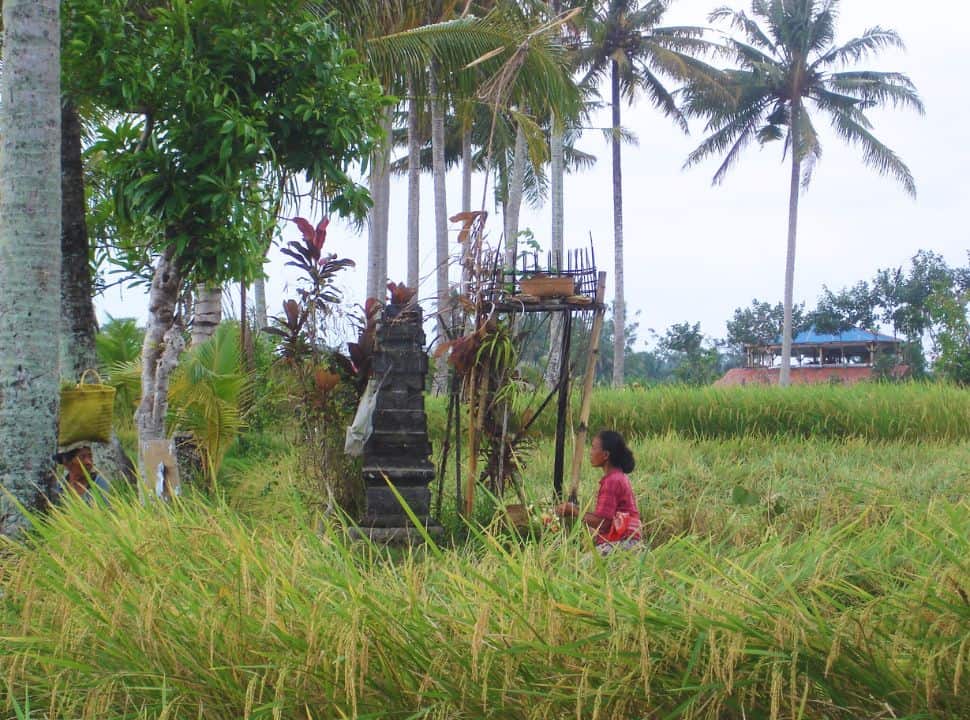
When we think of Ubud, we can’t help but smile. We remember waking up to peaceful views of lush rice fields, the soothing sound of the nearby stream, and morning strolls along narrow pathways where we’d exchange cheerful “hello’s” with farmers on our hunt for a proper Balinese market breakfast.
For years, Ubud has been our go-to home base — the perfect launchpad for exploring the beautiful island.
But… times have changed. And just like many beautiful destinations around the world, Ubud’s charm has faced a challenge: popularity. When too many travelers fall in love at the same time, things get a little crowded.
So naturally, people start looking for “the next Ubud.” And rumor has it… Sidemen might be that place.
But is Sidemen really the new Ubud?
After visiting Bali more times than we can count — and staying in both Ubud and Sidemen plenty — we always find it a bit tricky when people compare the two. Calling Sidemen an “Ubud alternative” feels kind of like comparing iced coffee to a coconut straight from the tree — both delicious, but you go to them for completely different reasons.
So let’s dive in and help you decide: Ubud, Sidemen, or maybe… both? Because in Bali, there are no wrong choices — only more beautiful ones.
👉 Want to know the differences between Ubud and Sidemen straightaway so you can decide now?
If you love culture + convenience + creative buzz → Ubud
If you crave nature + peace + authenticity → Sidemen
To fully experience Bali, do both starting off with Ubud followed by Sidemen. Because we do not think Sidemen is the new Ubud.
Disclaimer: This post may contain affiliate links. If you make a purchase or booking through one of our links we may earn a small commission (don’t worry, it’s at no extra cost to you).

What is Ubud and Sidemen Bali like?
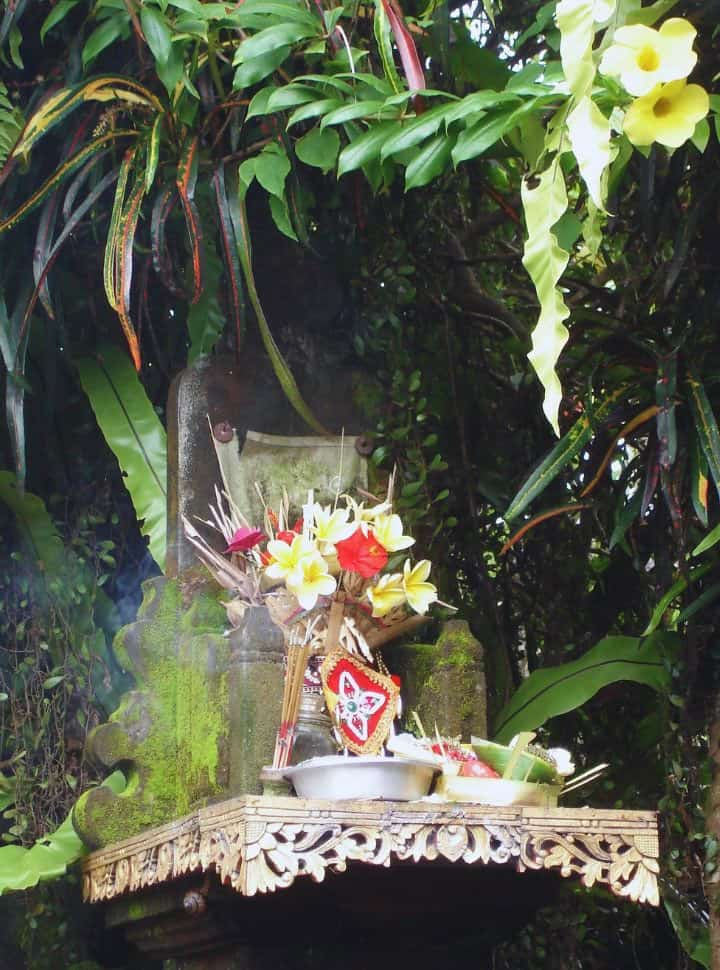
Ubud and Sidemen are two of Bali’s most beautiful destinations — but in very different ways. One is creative and energetic, the other calm and deeply rooted in village life. So what can you expect when visiting one of the two?
What is Ubud like?
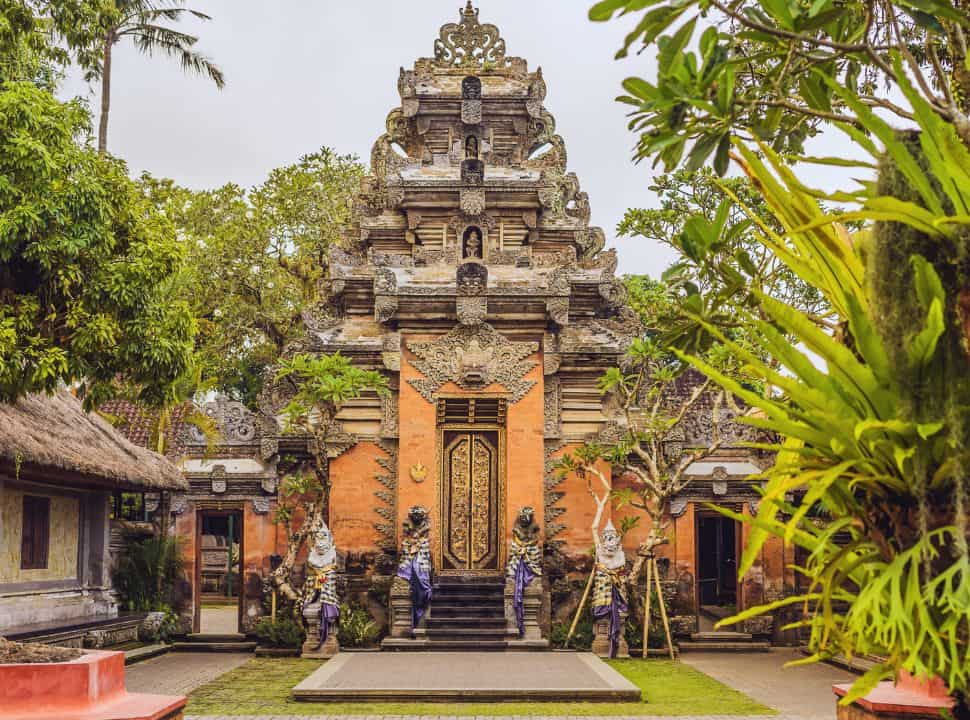
Ubud has long held a magical place in Bali’s heart. As early as the 8th century, pilgrims traveled to Ubud for its healing and spiritual significance.
Centuries later, the town blossomed into an artistic hub, shaped by the influence of Western artists like Walter Spies and Rudolf Bonnet. Their work, alongside the creativity of local and royal Balinese families, helped establish Ubud as a cultural and spiritual center that continues to attract travelers seeking both inspiration and tranquility.

We first visited Ubud together in 2009 and found a charming homestay on Jalan Kajeng, a small lane near Ubud Market, set beside a river and rice fields. Waking up to breakfast on our terrace, with views of the flowing river and paddies, we instantly knew we would return again and again. And we did.
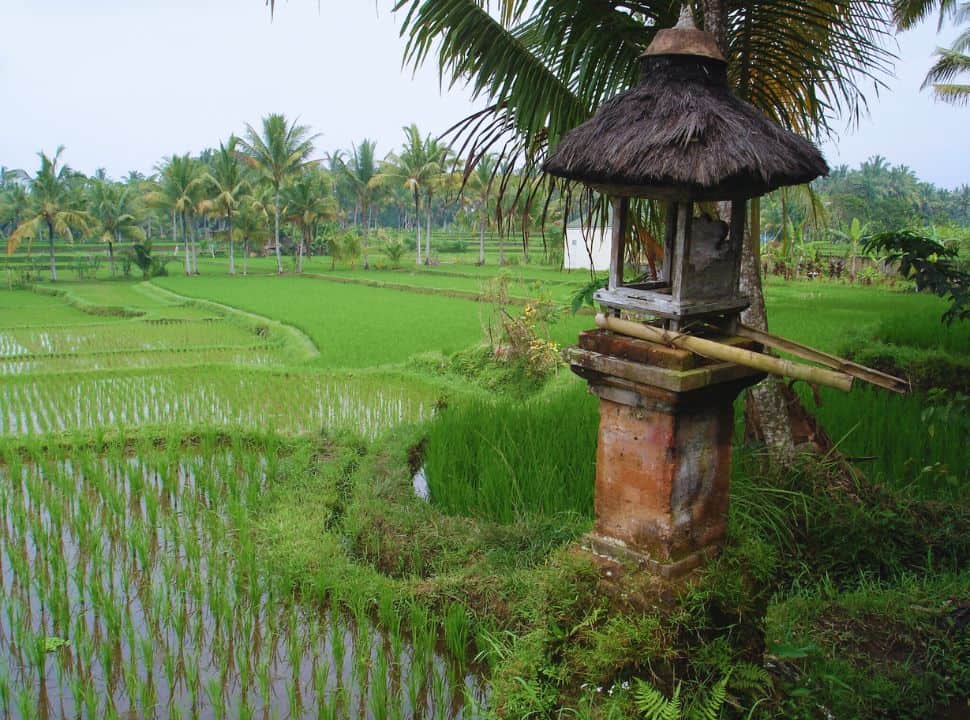
We love that Ubud is so much more than Jalan Monkey Forest Road with its shops and mischievous macaque monkeys. It’s wrapped in a ring of small villages, each with its own jungle ravines, rice terraces, and hidden temples waiting to be discovered.
Over the years we’ve witnessed many ceremonies — even a royal cremation — and each time we’re amazed at how these traditions continue to thrive, despite the pressure of growing tourism.
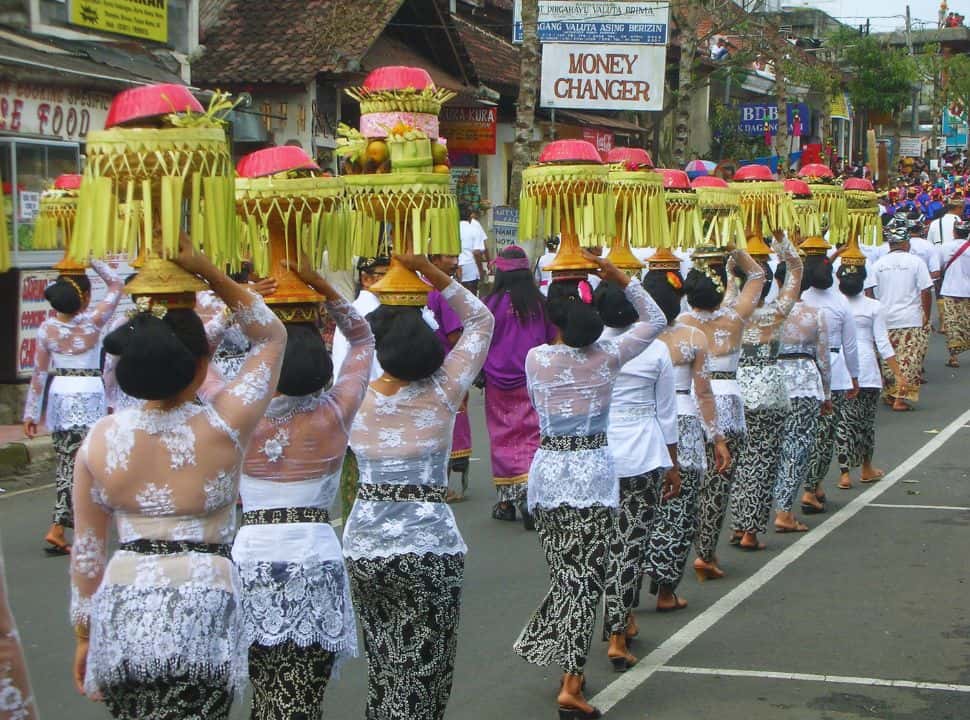
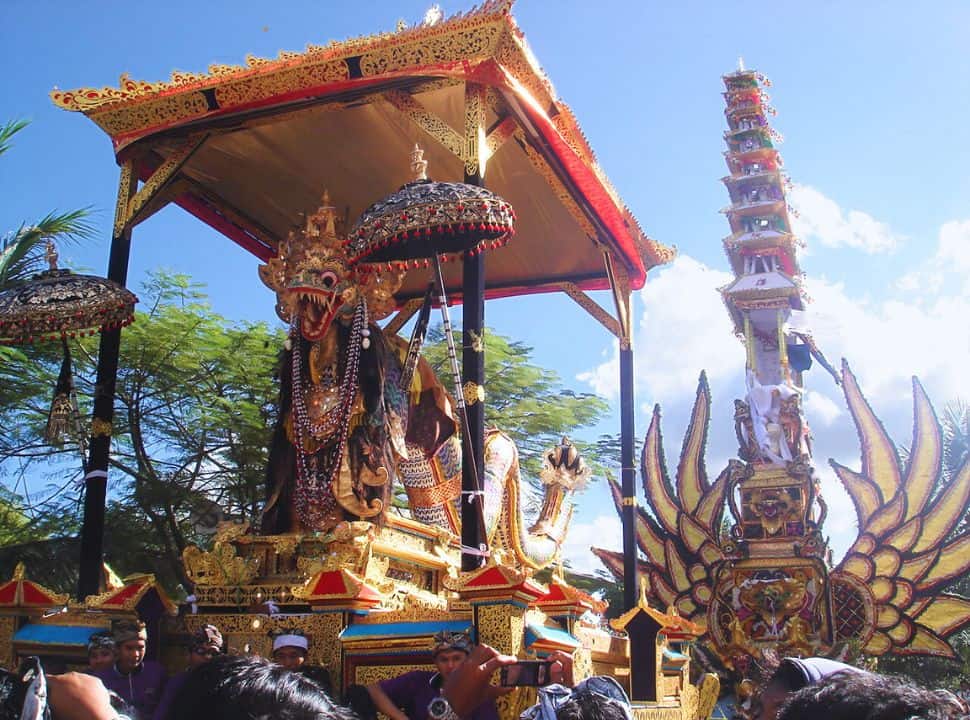
Ubud’s Town Vibe and Atmosphere
Like most things in life, Ubud has changed (and yes — we travelers are part of that story too). Land is being sold to big investors, and large resorts now rise where jungle or rice fields once stood.
The traffic has become intense, and we felt a real pang of disappointment seeing many local shops replaced by international brands.
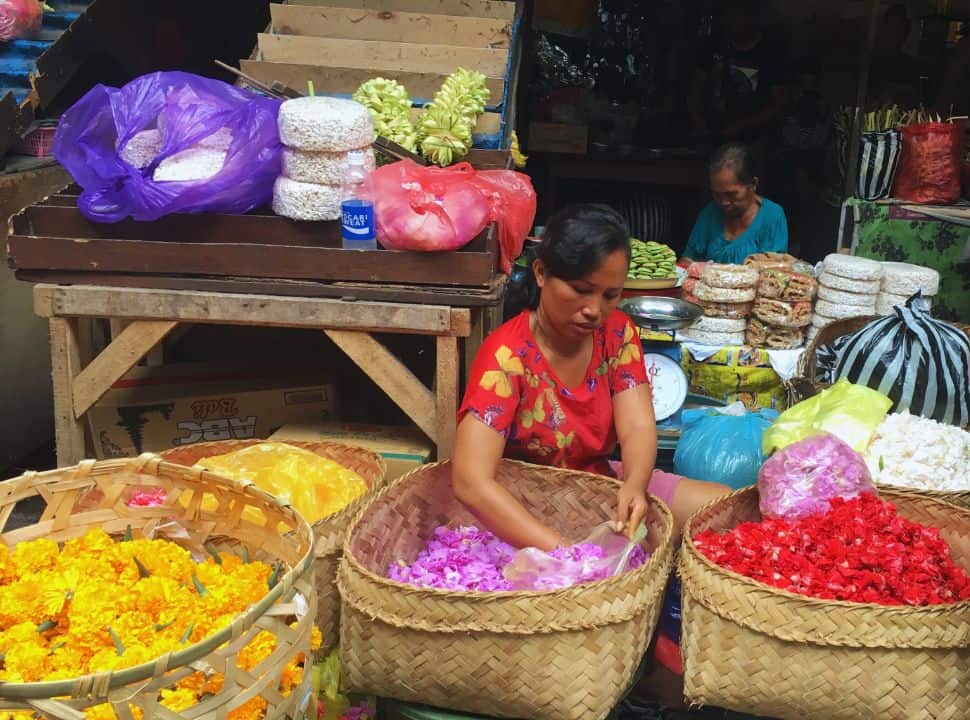
That said, despite the growth and modern development, Ubud the community associations (banjars) and daily offerings keep Ubud’s essence alive.
If you walk further away from the main Ubud area and check out the little streets you will still find artisans carve wood in tiny workshops, dancers rehearse mesmerizing performances, and wellness seekers arrive for yoga, meditation, and holistic retreats.
Food lovers hunt for everything from the perfect bowl of nasi campur to raw-vegan superfood creations, reflecting Ubud embracing modern development while holding on to traditions at the same time.
What is Sidemen like?

In the Sidemen valley, small villages are nestled among lush rice fields and farmland, all under the watchful eye of the sacred Mount Agung. Here, you can still witness life as it has been for generations: farmers tending their fields, locals performing temple ceremonies, and children heading to the river for a bath.
Sidemen isn’t a place you can simply drive through and say, “I’ve been here.” The villages and fields are connected by narrow trails, and if you stick to the main road, you might pass through without even realizing it. This is a destination that you need to give time to explore.
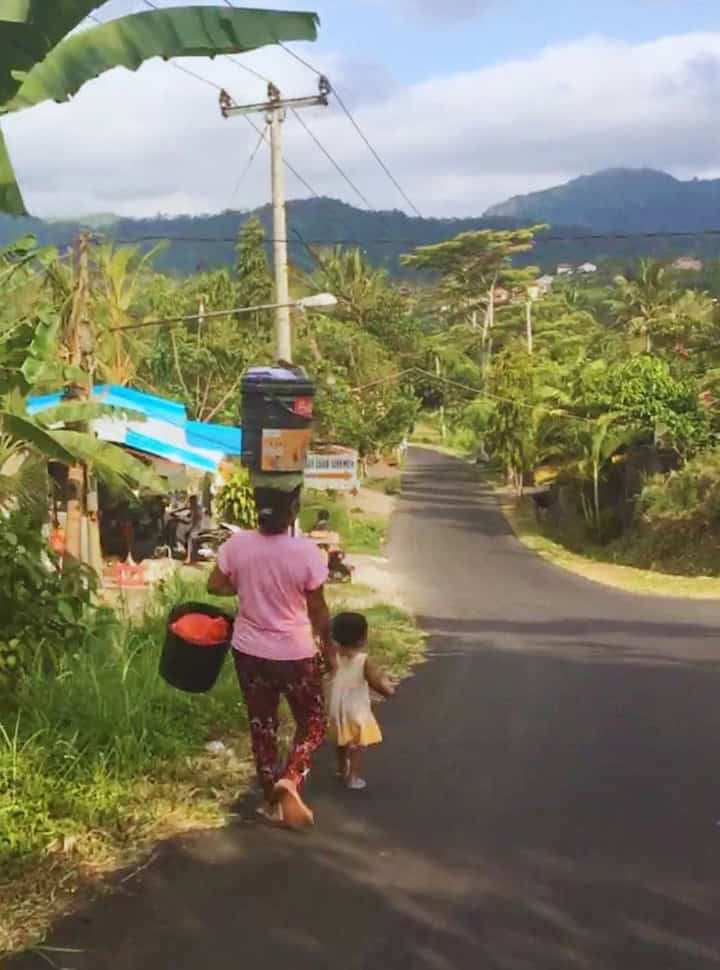
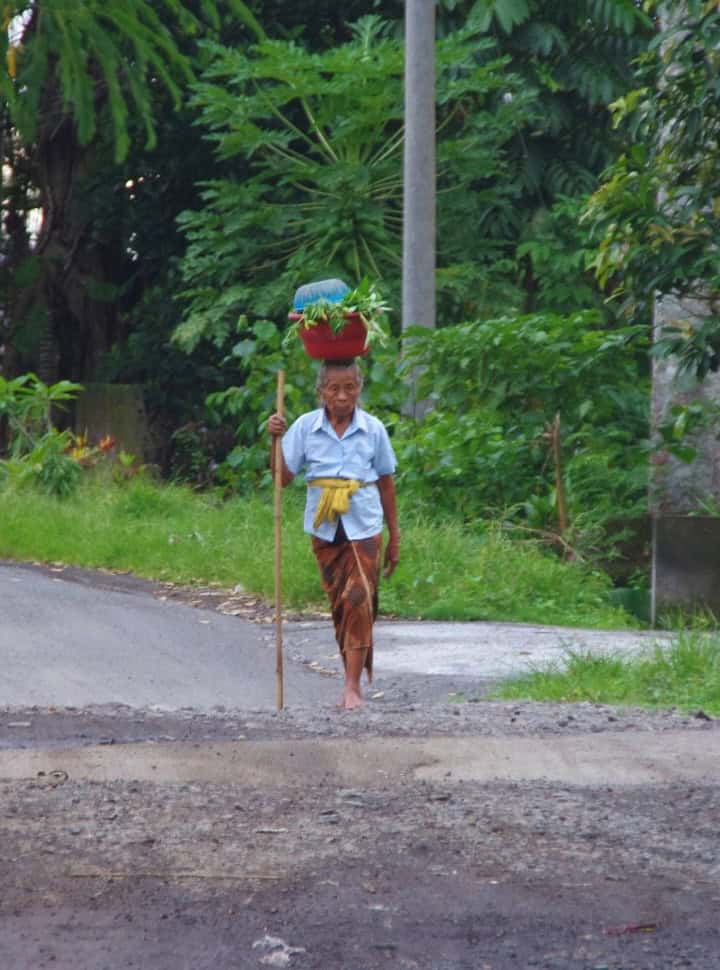
Over the years we’ve visited Sidemen, and what we love most is how the essence of daily life still feels wonderfully unchanged.
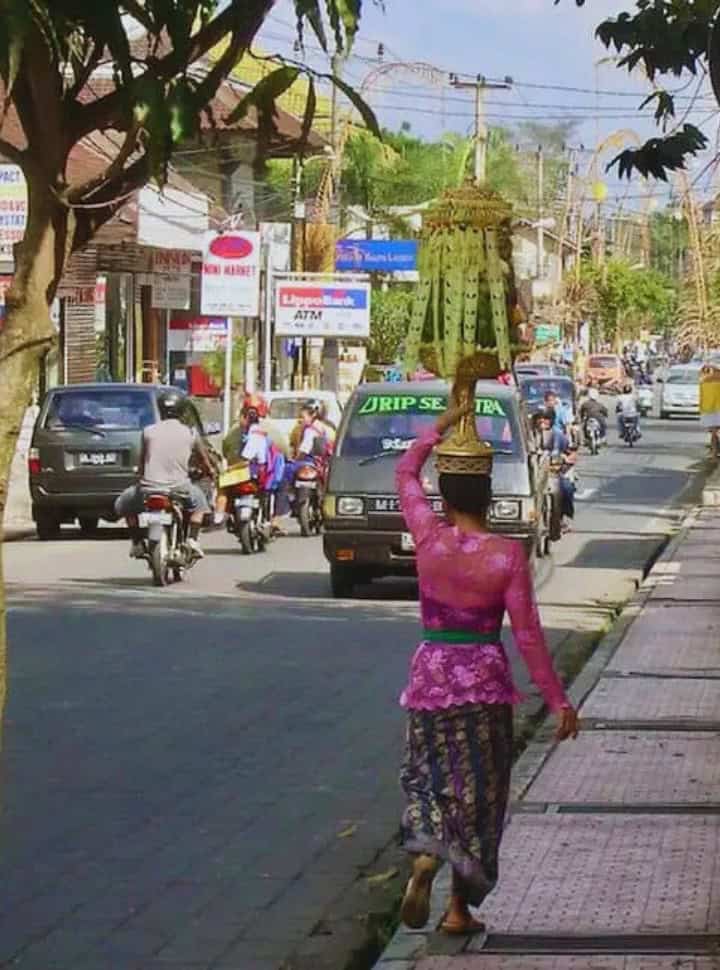
You’ll still spot farmers herding ducks through the rice fields, women walking to the river with laundry balanced effortlessly on their heads, and schoolchildren strolling home hand in hand. It’s these everyday moments that make Sidemen feel unique.
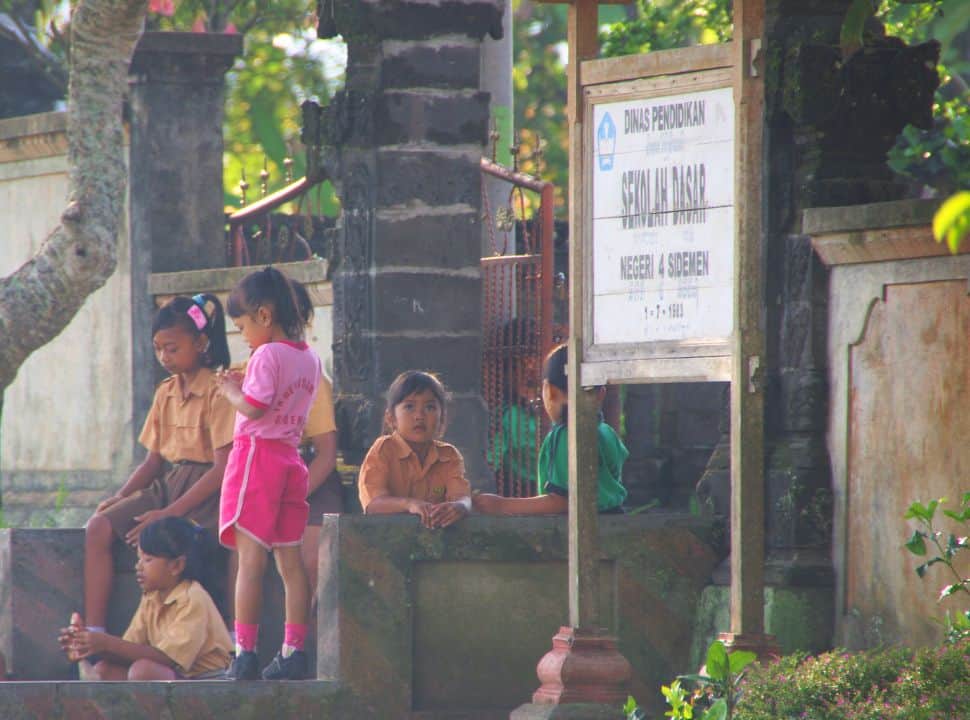
Is Sidemen Bali’s Hidden Gem?
Many people call Sidemen a “hidden gem” — and it certainly feels that way if you’re coming from Canggu, Sanur, or Ubud. But the truth is, tourism has already found its way here.
When we first came to this valley, there were only a handful of places to stay, most facing the majestic Mount Agung. Restaurants were scarce, and our homestay would often cook for us because there simply weren’t other options.
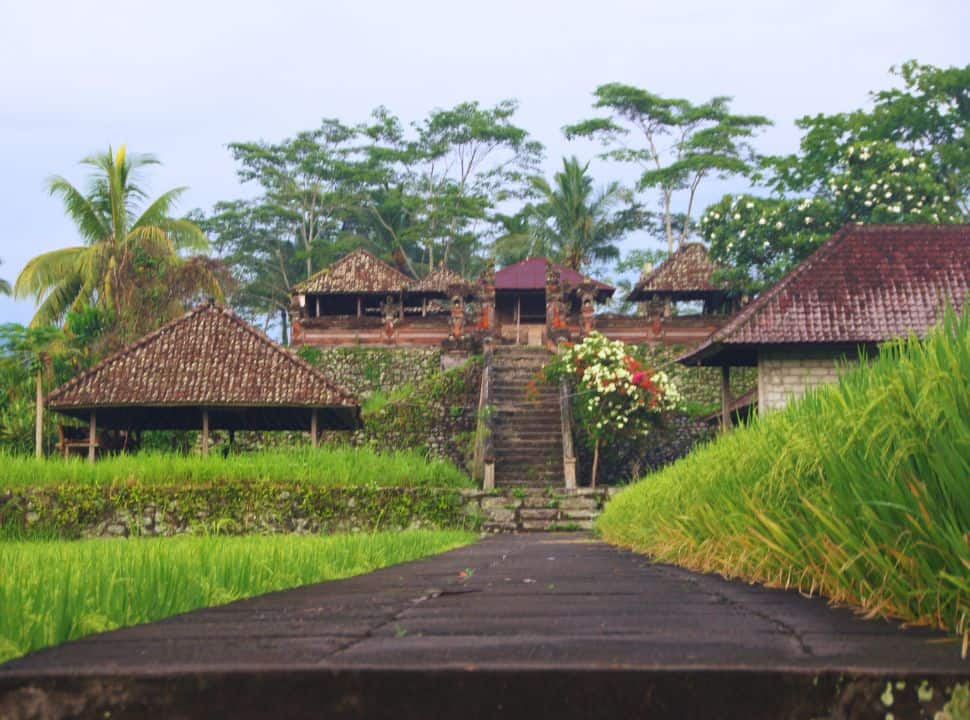
Today, more accommodations are opening — some more luxurious than we ever imagined would appear in a place like Sidemen.
Yet, what we appreciate is that many are trying to conserve what makes Sidemen special: the endless rice fields and serene landscape. Bamboo stays have become popular, blending beautifully into the surroundings instead of overtaking them.
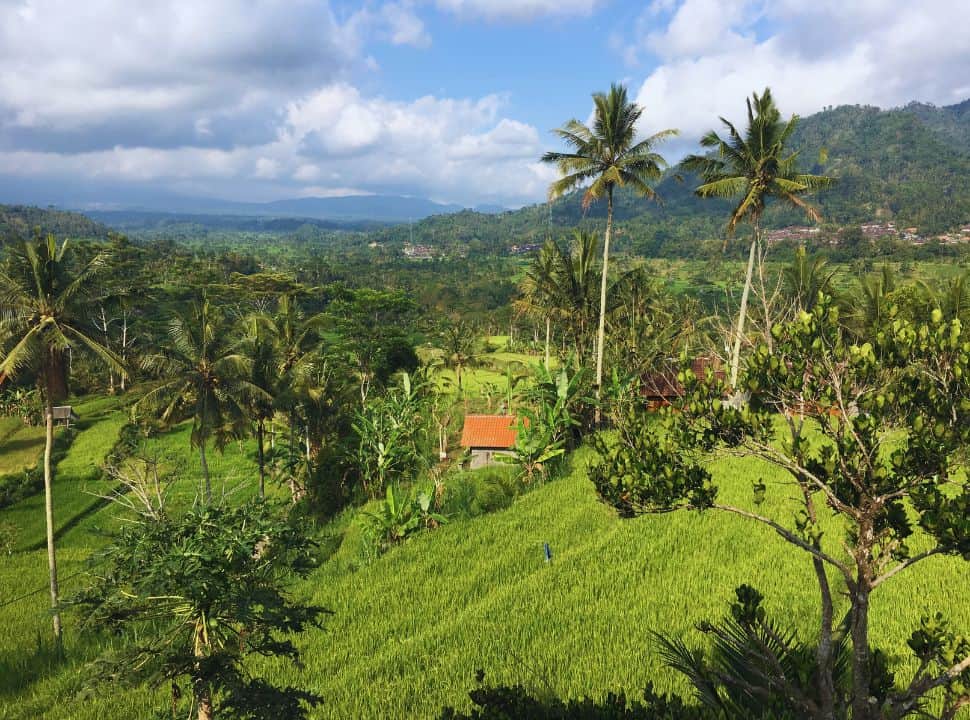
We still love Sidemen. Change is inevitable, and if tourism helps the local community thrive, that’s a positive outcome. Yes, more upscale dining options are appearing, but the village hasn’t been overtaken by the trendy boutiques and concept cafés you see in the south.
Hopefully, it won’t follow the same path as Bukit — once a quiet, untouched area, now as developed and busy as Kuta. But that’s a story for another day…☺️
Sidemen’s Peaceful Village Atmosphere
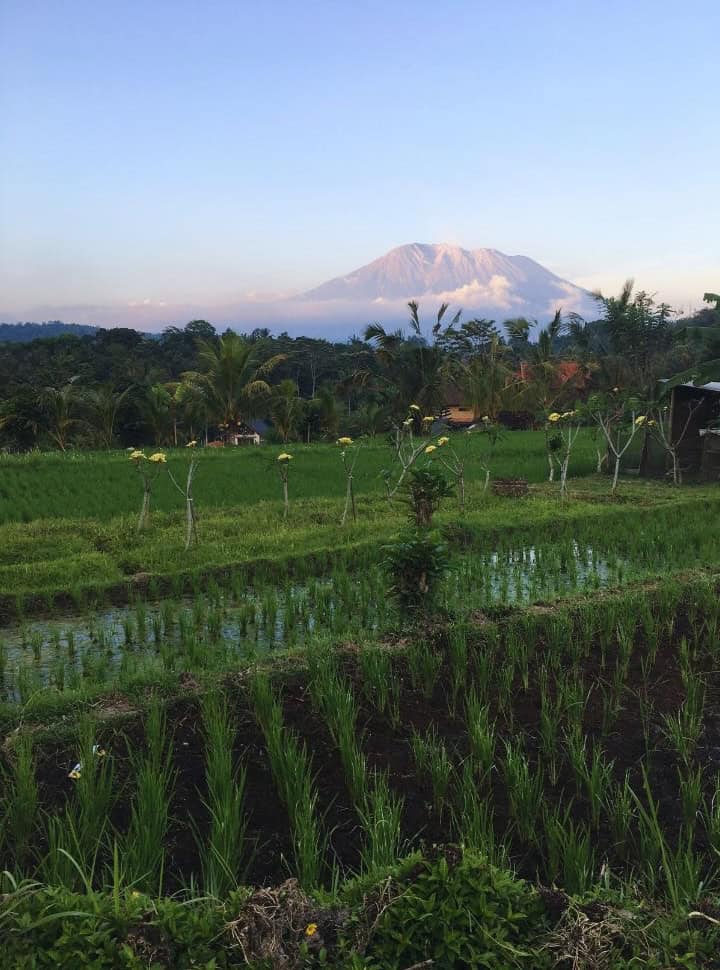
In Sidemen we always take things slow and that is the pace here. Take in the views, walk along the rice fields, enjoy dishes prepared from local produce and chat with the friendly people. That’s all you need to do and probably feel like doing.
Sidemen is owned by farmers first and foremost. Yes, there are also artists — traditional ikat weavers, the beautiful Sadus tiles producers, and other craftspeople — but unlike Ubud, where art has been cultivated for decades as a central focus, here creativity exists alongside daily life.
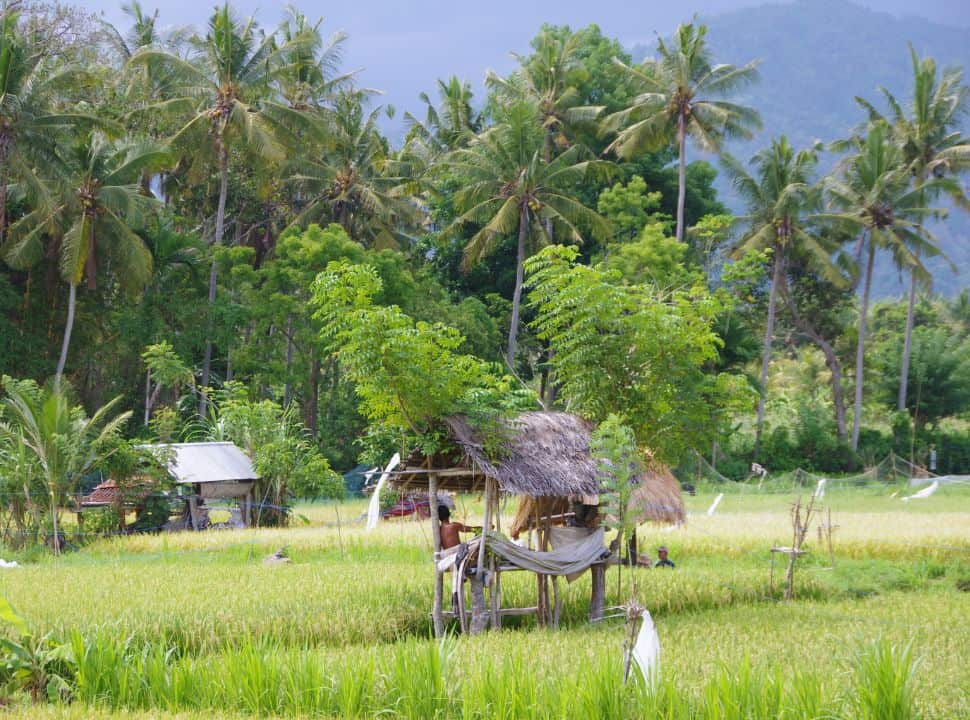
Farmers are deeply present in the fields, leaving only little of time for craft. The result is art that feels embedded in daily life rather than curated for visitors.
And that’s part of Sidemen’s charm. It allows you to forget the buzz of cafes, tours, shops and traffic. Here, nature feels close, life feels tangible, and you witness how people care for their crops and communities first — not their coffee shops or Instagram posts.
Ubud vs Sidemen: Things to do
While rice fields are undeniably a highlight in both Ubud and Sidemen, what you do in each place is quite different. In fact, the contrast in activities makes it even more obvious that these two destinations aren’t competing at all — they’re almost opposites in the best possible way.
What to Do in Ubud
In Ubud, the challenge isn’t finding activities — it’s having enough days to fit them all in. This is where Bali’s art, tradition, wellness, and adventure all come together.
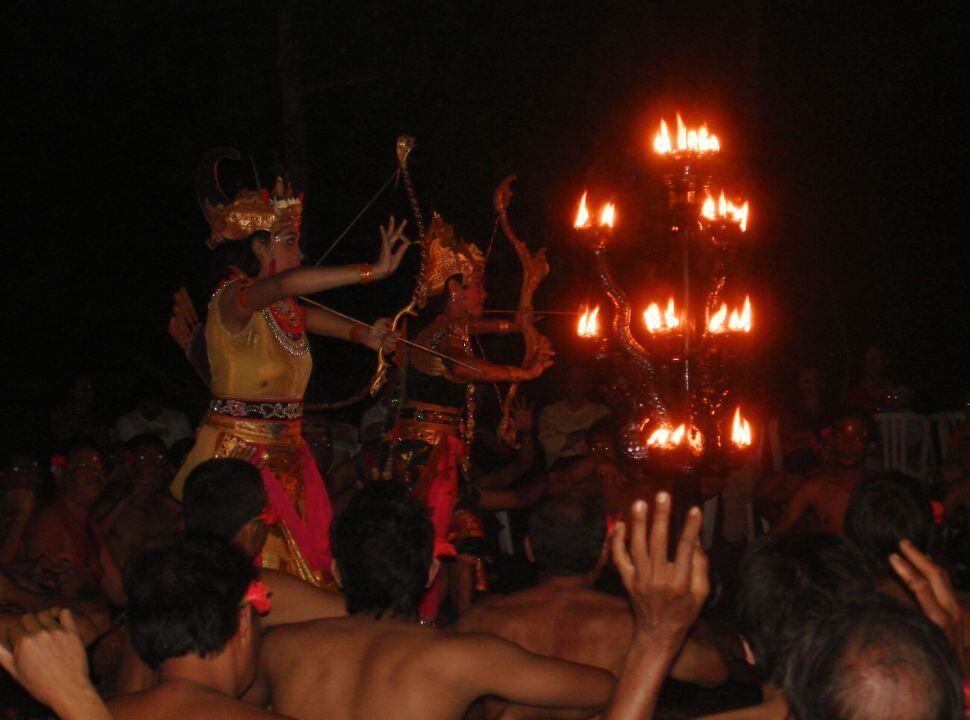
Expect:
- Dance performances in ancient temples
- Art museums & galleries
- Yoga, meditation, and spiritual retreats
- Endless shopping — crafts, fashion, décor
- Island tours starting right from town.
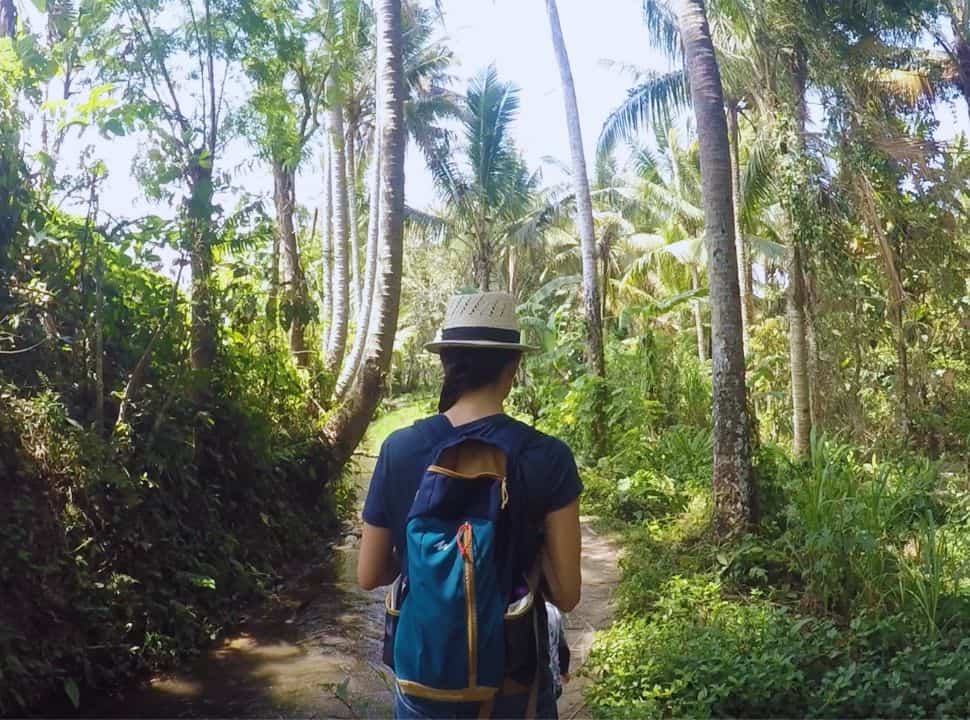
Ubud Highlights
- Ubud Market — handcrafted souvenirs + local goods
- Monkey Forest Sanctuary — cheeky monkeys guaranteed
- Rice field walks like Campuhan Ridge
- Downhill cycling through villages & fields
- Cooking classes with market visits
- Temples like Pura Saraswati
- Nearby day trips: Goa Gajah, Tirta Empul, Tegalalang
Basically: if you like variety, culture, and having options every hour of the day — Ubud is your playground.
Ubud’s central location makes it perfect for exploring nearby highlights by motorbike — from Tegalalang’s rice terraces to Goa Gajah, Tirta Empul, and our personal favorite, Gunung Kawi. You can even make a day trip to Lake Batur. Prefer a stress-free day? Join a guided tour and simply enjoy the ride. Check the various tours here.
What to Do in Sidemen
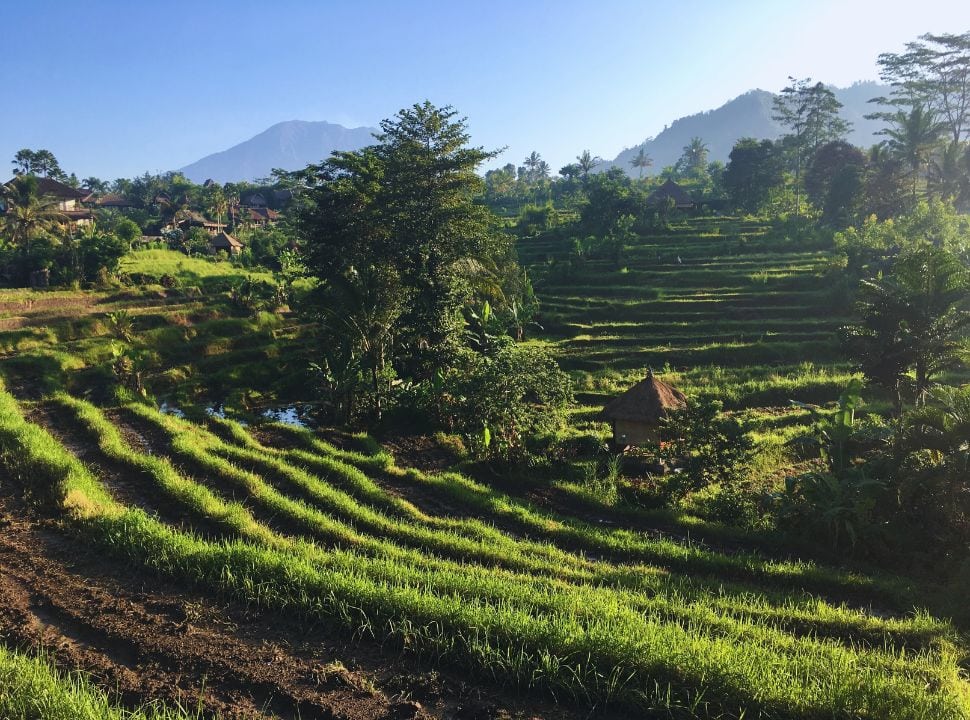
Sidemen may not have Ubud’s long list of attractions — and that’s exactly its charm. Activities here feel more connected to nature and local life.
Think:
- Trekking instead of traffic
- Stars instead of nightlife
- River sounds instead of bar beats
The only “nightlife” you’ll hear are the crickets performing their greatest hits.😉

Sidemen Highlights
- Rice terrace walks — peaceful & stunning
- Touring through tiny villages
- Workshops like cooking or jewelry making
- Rafting on the Telaga Waja River
- Waterfall chasing across the valley
- Mount Agung viewpoints at sunrise
Sidemen slows everything down… in the best possible way. Curious to explore further? Take a peek at our list of the best things to do in Sidemen.
Sidemen’s magic lies in its many rice field trails you can wander independently — a big part of its charm. But if you want deeper insight into Balinese life, culture, and those hidden paths locals use, we highly recommend a guided hike. Cycling and rafting tours are also available and can be arranged with ease here.
In Short Ubud vs Sidemen Things to do
| Ubud | Sidemen |
|---|---|
| Culture + creativity + convenience | Nature + peace + authenticity |
| Shows, museums, markets, spas | Rice terrace treks, quiet retreats |
| Many restaurants + shopping | Local warungs + scenic cafés |
| Ideal base for day trips | Ideal for unplugging |
✅ Best Plan: Dive into Ubud’s energy first… then escape to Sidemen to breathe
Ubud vs Sidemen: Where to Eat
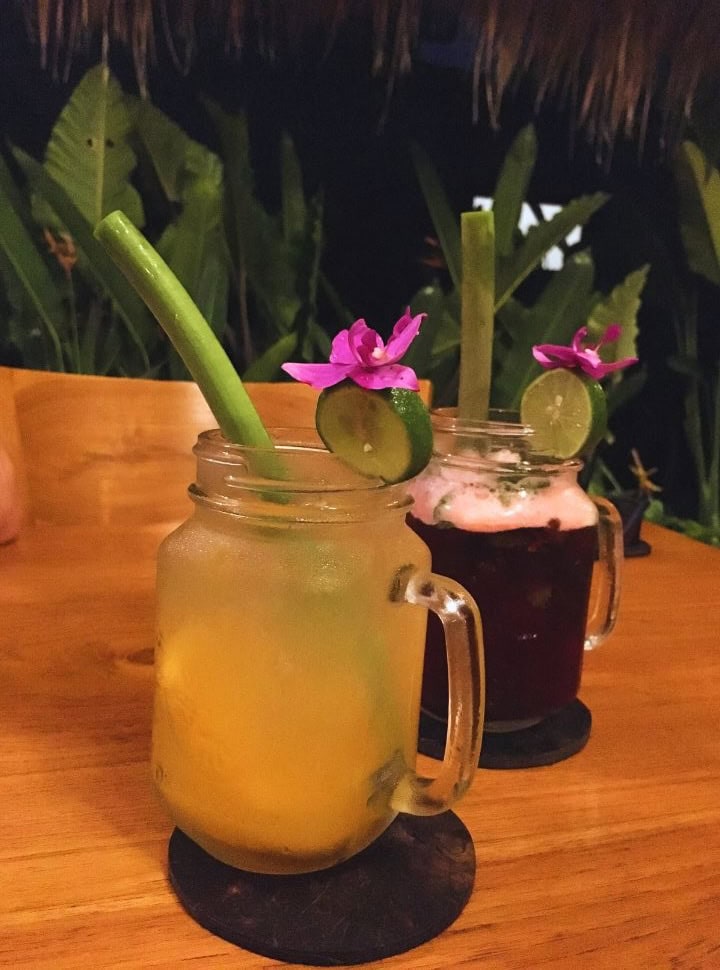
One thing is certain: you will not go hungry in either place… but the food experiences are very different.
Eating in Ubud
Ubud is Bali’s food playground. From raw vegan cafés to organic warungs to fine-dining restaurants with tasting menus — this town has it all. Whether you want a smoothie bowl sprinkled with edible flowers or a multi-course meal prepared by a top chef, it’s here.
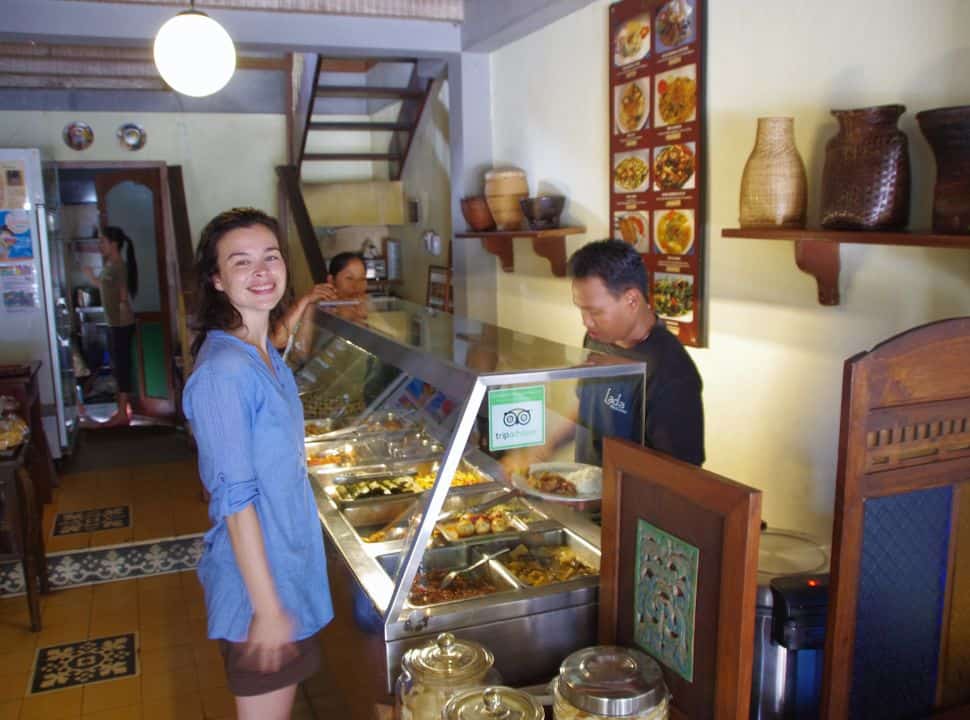
You’ll find:
- Trendy brunch spots
- Traditional warungs with local prices
- Vegan, raw, gluten-free & superfood everything
- High-end dinner experiences
And it’s delicious — dangerously delicious. You could spend days in Ubud just eating your way from one café to the next.
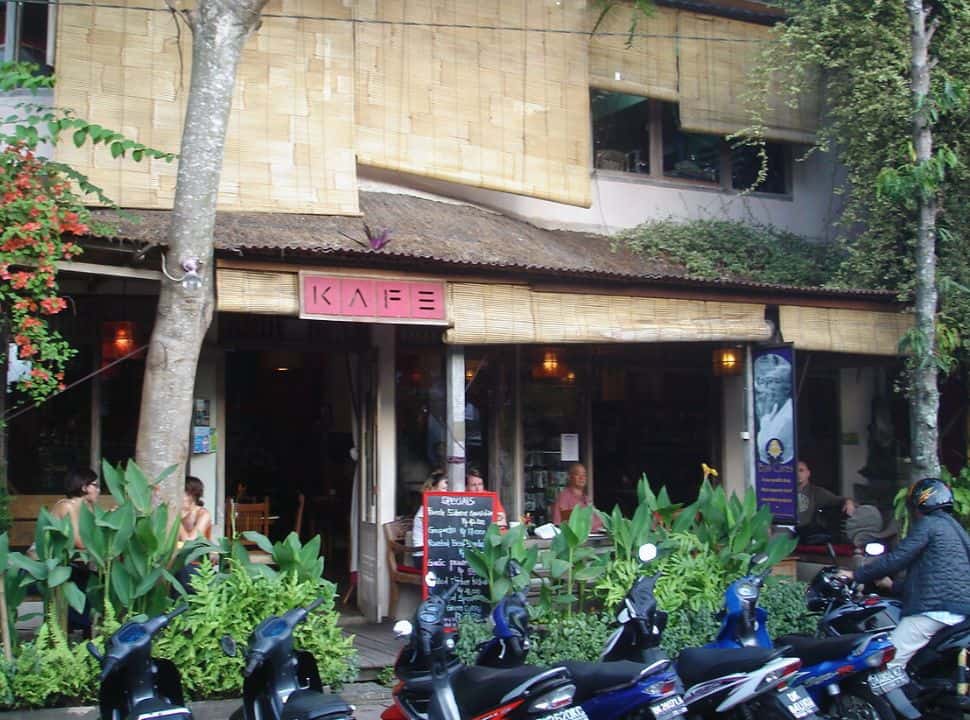
Ubud is for:
Foodies, curious eaters, and anyone who gets excited reading a menu.
✅ Places worth checking out:
- Kafe — plant-based classics
- Molecha Organic Warung – healthy food amid the rice fields
- Warung Biah Biah — great Balinese dishes
- Mozaic — fine dining treat night
Eating in Sidemen
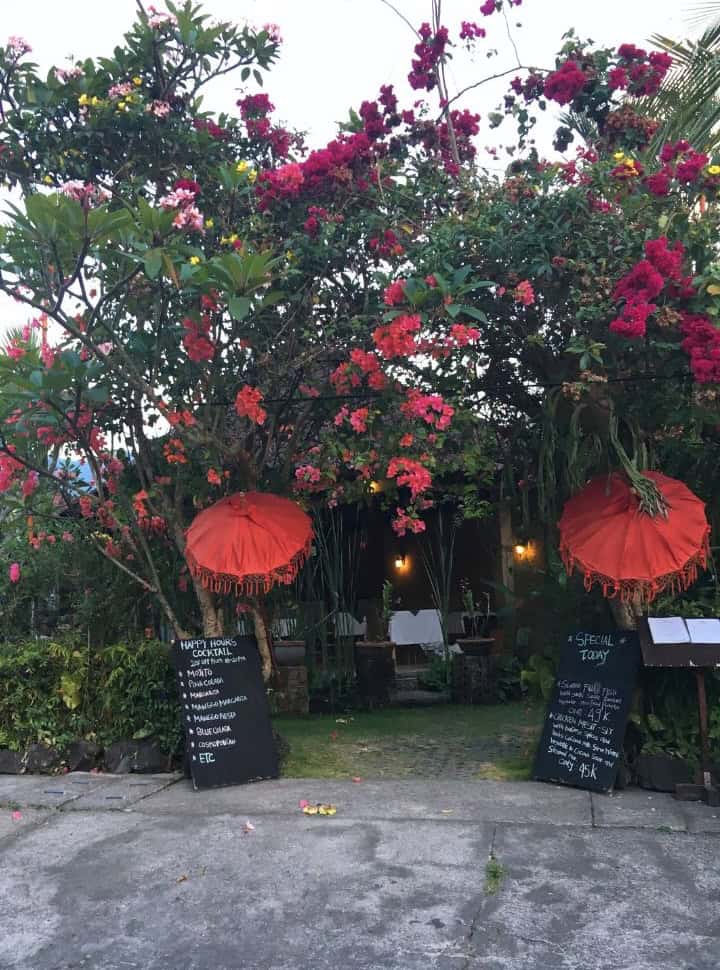
Sidemen is much more grounded in its food scene — think valley views, fresh ingredients, and dinners accompanied by the peaceful sound of the river nearby.
The options are fewer — but the views are unbeatable.
You’ll find:
- Local warungs serving home-style food
- Scenic restaurants overlooking rice terraces
- Simple menus made with produce from the land around you
In recent years, Sidemen has slowly added more beautiful dining spots — just don’t expect the variety of Ubud.
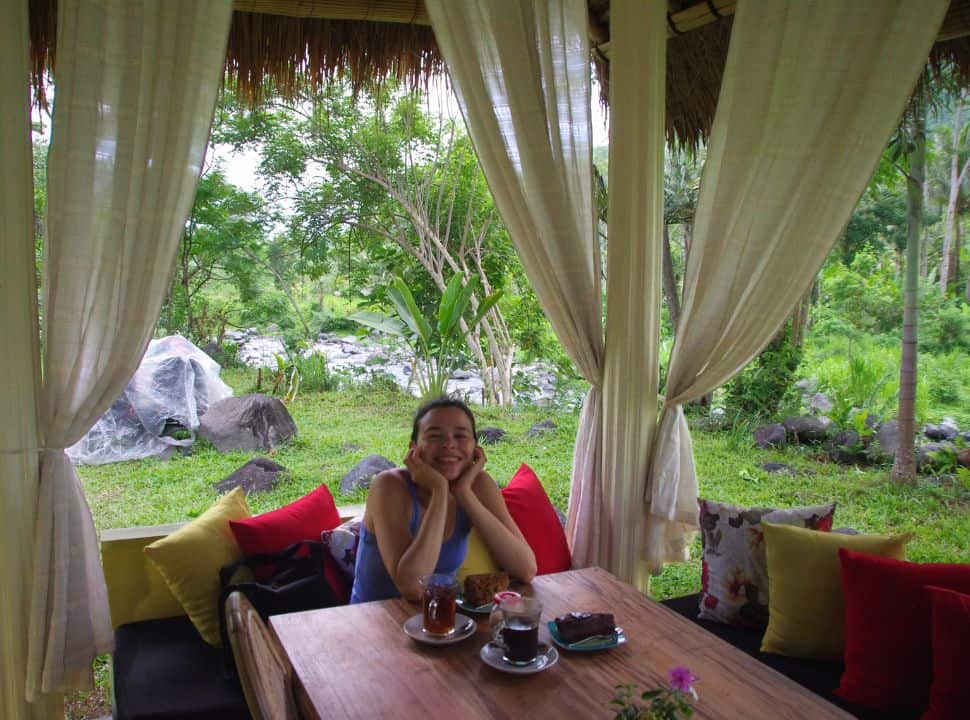
Sidemen is for:
Travelers who prefer slow dinners, quiet settings, and sunset over trendy scene.
✅ Places worth trying:
- Warung Uma Anyar — local dishes with charm
- Asri Dining — beautiful terrace views
- The House of Samanvaya — romantic dinner setting
👉 So the differences between Ubud and Sidemen when it comes to eating:
Ubud = choice, creativity, convenience
Smoothie bowls in the morning, Balinese feast at lunch, tasting menu at night.
Sidemen = slow, scenic, soulful
Meals that aren’t fancy — but they feel good.
✅ Our perfect combo?
Eat your heart out in Ubud…
…then unwind with peaceful valley dinners in Sidemen.
Ubud vs Sidemen: Where To Stay for Best Rice Field Views
When most of us think of Bali, we picture those iconic layered rice terraces — the ones that make you stop and stare. So it’s no surprise that finding the right place to stay often comes down to one thing: the view.
Staying in Ubud
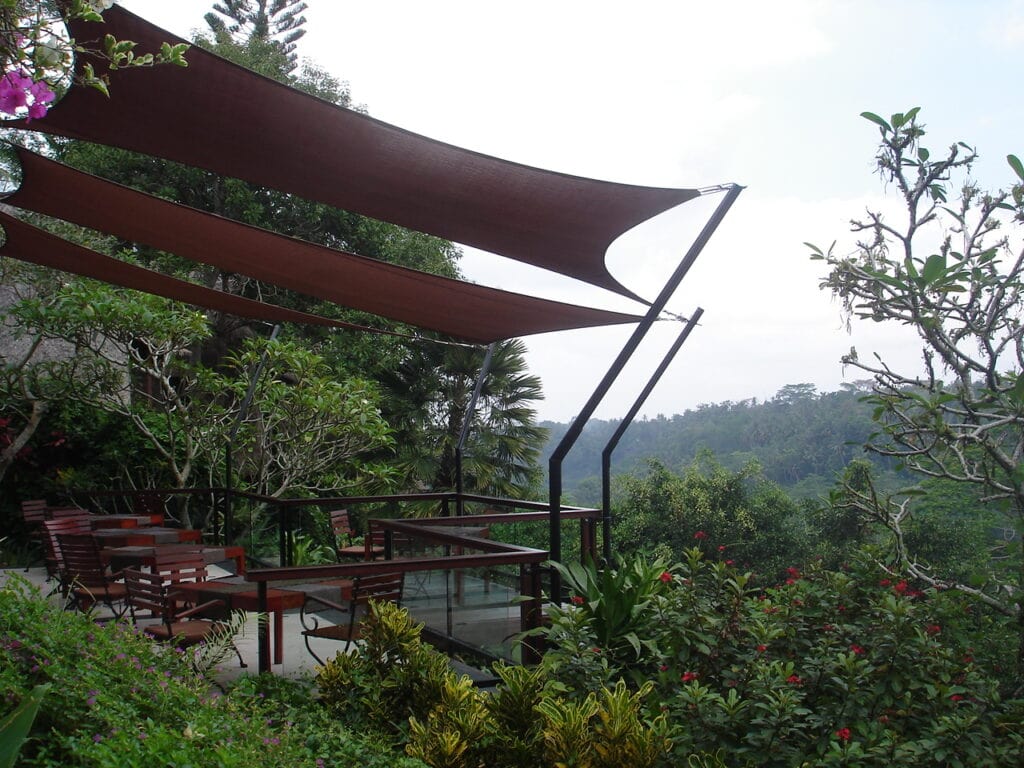
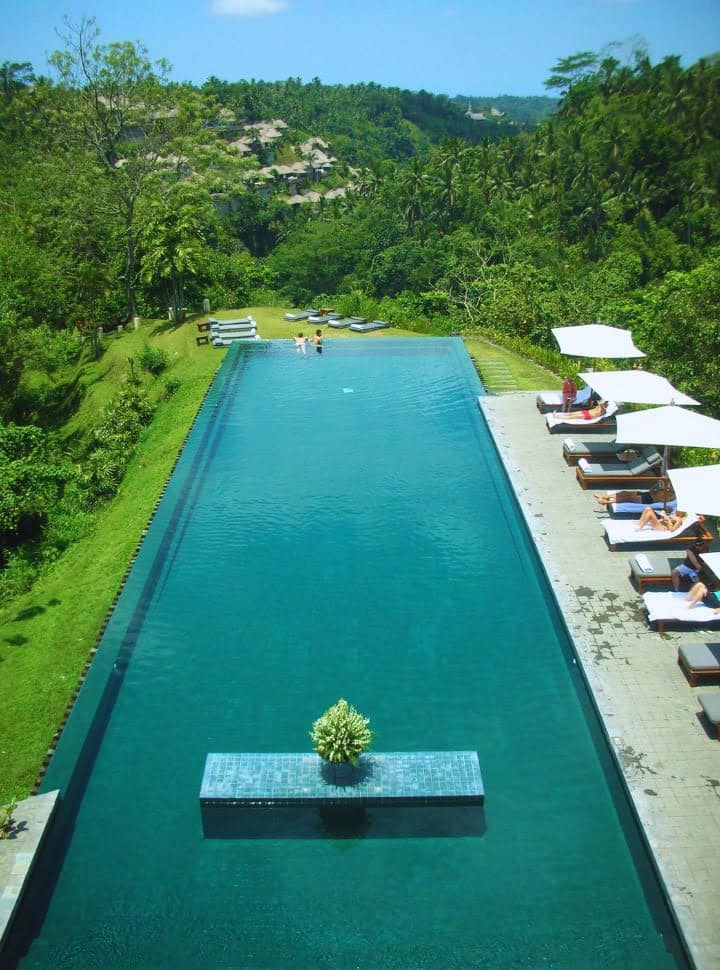
Ubud offers a huge range of places to stay — resorts perched over dramatic river gorges, jungle hideaways with infinity pools, and boutique villas near rice fields. But here’s the catch:
In Ubud “Rice field view” doesn’t always mean endless green panorama… sometimes it’s just a small patch squeezed between new villas.
Over the last decennia resorts and homestays of all sizes have been added to the list of accommodations in Ubud. Sustainability was not a priority at that time.
Until today the mindset has been: the more tourists the better. This does mean that many rice fields have turned into hotel and villa properties.
Many upscale villa resorts have opted to move away from central Ubud, choosing instead the nearby areas known for lush jungles and dramatic river gorges, like Kupu Kupu Barong Villas or the Royal Pita Maha. The list of luxury Ubud Villa resorts are endless and incredibly designed.
👉 Pro tip: No matter what, avoid staying along Jalan Monkey Forest Road—this busy, chaotic street can overshadow your entire Ubud experience. We stayed there once and regretted it immensely
For us, the best is also to leave the heart of Ubud behind and head to the villages just outside the center. For Ubud, think lush jungle vegetation instead of endless rice field views.
Our ultimate Ubud accommodations are:
📍Budget Santra Putra Guesthouse at Karja Art Space – Santra Putra Guesthouse at Karja Art Space offers a tranquil, garden-set stay west of Ubud, where friendly hosts and a leafy setting make you feel at home — just note there’s no direct car access.
If you do want to stay nearby the Ubud buzz as you don’t want to rent a motorscooter or a driver, we suggest staying in Jalan Kajeng a small side street of the busy Jalan Raya Ubud. A great budget option Rumah Roda. This homestay has been welcoming travelers into their family courtyard for generations.
📍 Mid-Range Mandala Homestay offers clean, comfortable rooms in a peaceful garden setting, with friendly hosts and a short walk to Yoga Barn and Ubud’s main attractions.
📍Luxury Bambu Indah Resort – This eco-friendly resort along the Ayung River valley immerses guests in lush jungle surroundings while showcasing sustainable bamboo and reclaimed wood design.
Staying in Sidemen
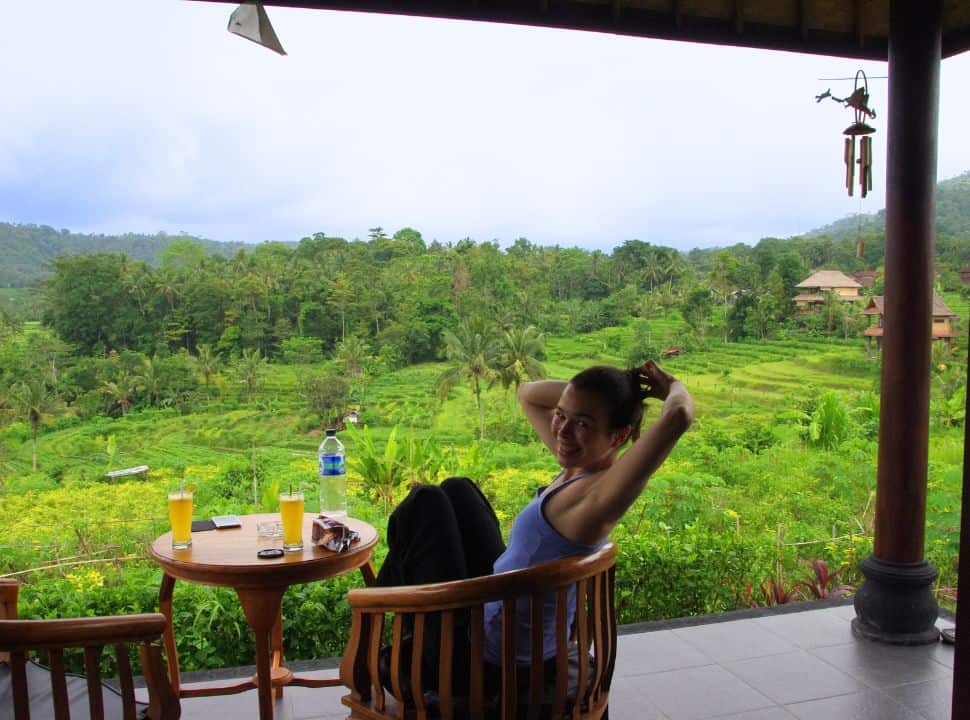
In Sidemen, rice fields aren’t something you search for — they’re everywhere. The entire valley is wrapped in terraced greenery, with Mount Agung rising like a guardian in the backdrop. Wake up, look outside, and… wow. That’s Sidemen.
If you want the full dream experience, choose a stay with:
- Rice terrace views
- Mount Agung views
- A peaceful distance from the main road
No matter what budget you have, you will find a one with great views and friendly servie. Homestays are relaxing, often small scale, while there are many resorts with stunning pools from mid-range and luxury. But for us, when in Sidemen we highly suggest staying in one of the many stunning bamboo accommodations.
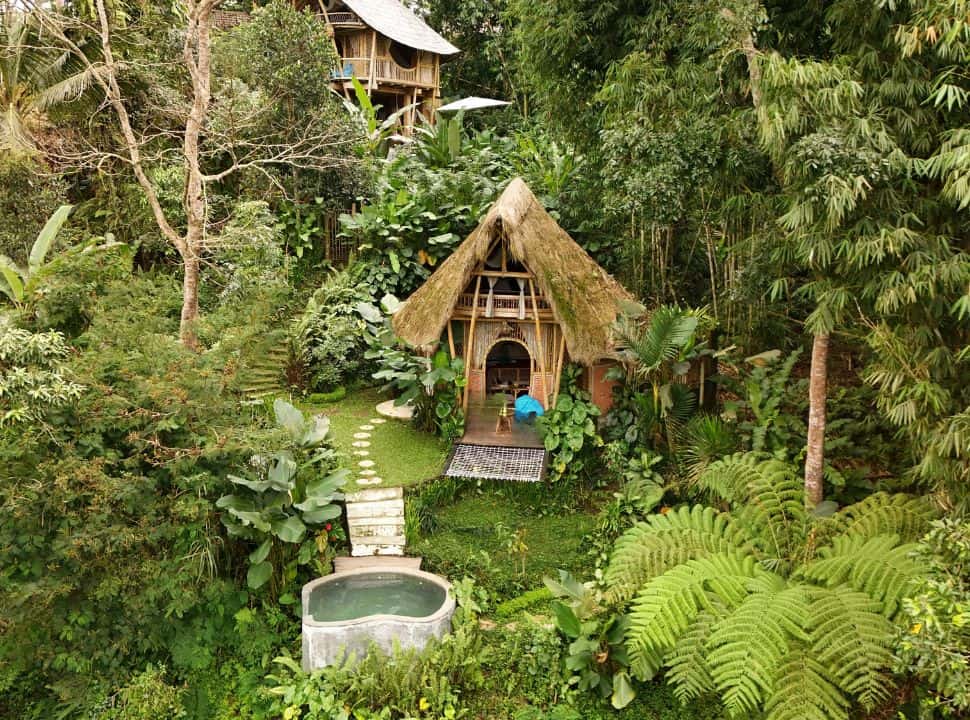
Our Sidemen Accommodation Picks
📍 Budget Sawah Indah Villa – a breathtaking Balinese paradise with stunning rice field and Mt. Agung views, spacious and elegantly decorated villas, impeccable service, delicious food, and a serene pool and garden setting that makes every moment utterly unforgettable.
📍Mid-range Like living in a romantic Balinese painting From morning coffees overlooking Mount Agung to sunset swims above the rice fields, this Sidemen villa is a picture-perfect slice of paradise you’ll never want to leave
📍Luxury Veluvana Bali is a magical escape where stunning bamboo architecture, private pools, breathtaking Mount Agung views, floating breakfasts, and impeccably attentive staff combine to create an unforgettable, dreamlike stay
👉 Final Tip
If stunning rice fields are high on your wishlist:
➡️ Sidemen wins, hands down
But in both places, choosing the right area makes all the difference.
Pick carefully… and Bali’s landscapes will do the rest. 🌾✨
Ubud vs Sidemen: Which one should you choose?
Travellers often ask: “Should I visit Ubud or Sidemen?”
The simple answer: if your itinerary allows, visit both — they offer completely different experiences that complement each other beautifully.
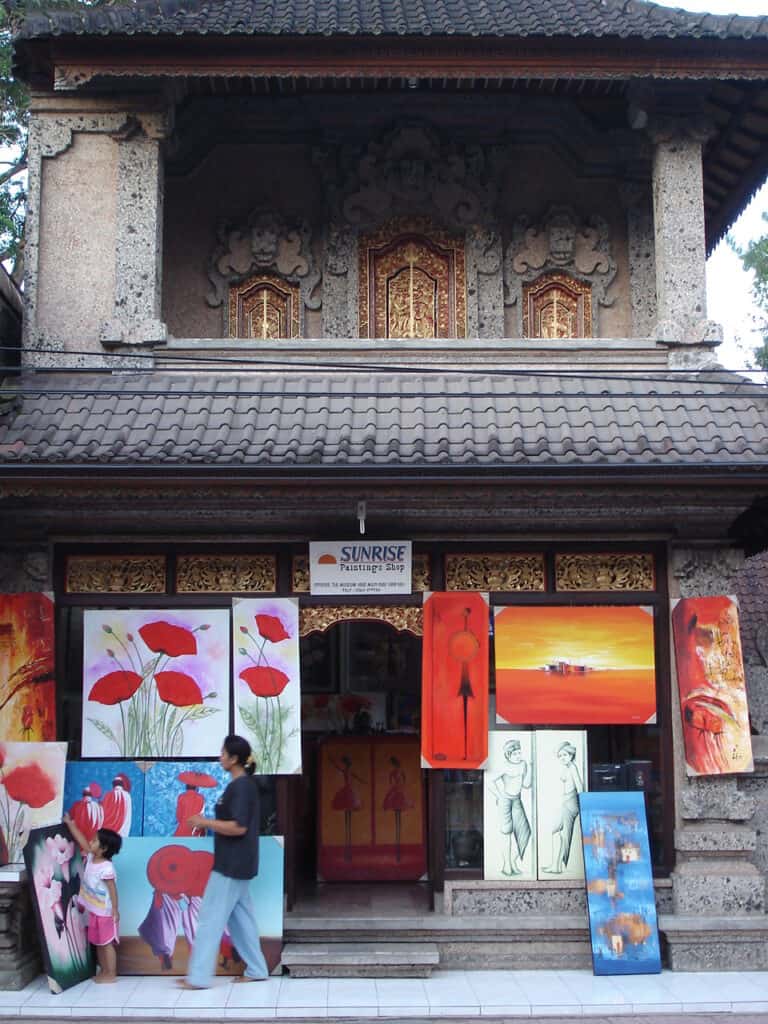
While Ubud is Bali’s cultural heartbeat — buzzing with art, tradition, wellness, and modern comforts — Sidemen moves to a much slower rhythm. In Ubud, you’ll find everything at your fingertips: stylish cafés, boutique shopping, spa treatments, yoga classes, and an endless choice of restaurants for every taste. It’s the place to soak up culture, indulge, explore, and be inspired.
Sidemen, by contrast, is all about nature and simplicity. There are no big markets or trendy cafés here, and that’s exactly what makes it special. Surrounded by rice fields, valleys, and breathtaking mountain views, Sidemen offers a more authentic glimpse of rural Bali — one that many hope remains untouched for years to come.
Choose Ubud if you enjoy:
- Culture, dance performances, temples and artisan crafts
- Great cafés, restaurants, spas and boutique shopping
- Yoga, wellness and creative inspiration
- Being close to tours, classes and activities
Ubud is ideal for: first-time visitors, couples, culture lovers, foodies, and digital nomads.
Expectation check: It’s lively and can be crowded — scooters and traffic are part of daily life.
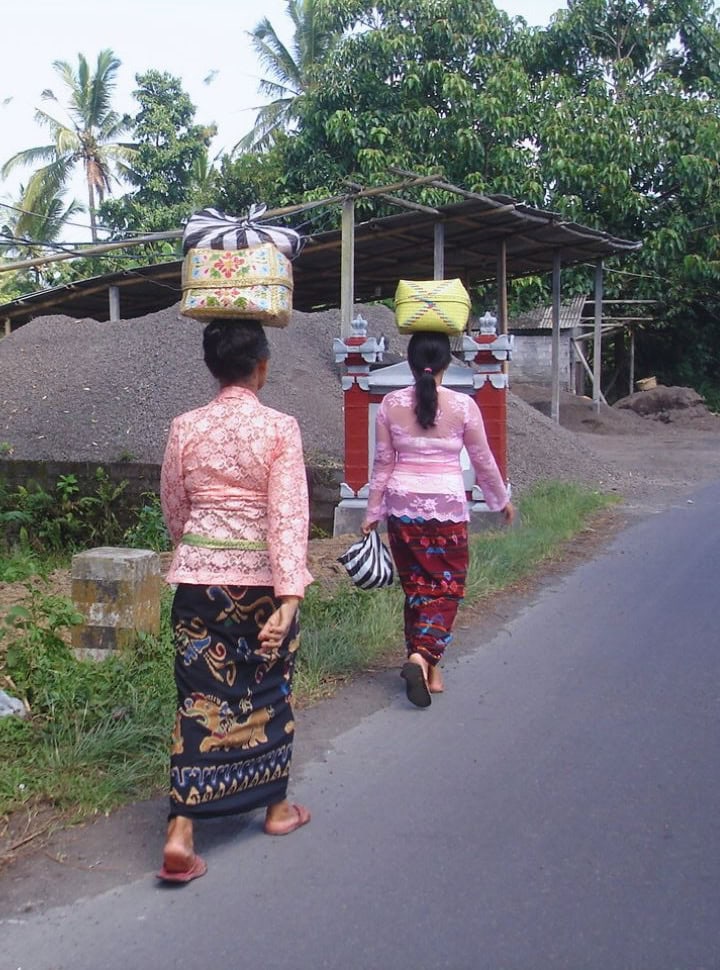
Choose Sidemen if you want:
- Peace, quiet and stunning natural scenery
- Walks through rice fields and time in the countryside
- A glimpse of real Balinese village life
- Space to slow down, disconnect and truly unwind
Sidemen is ideal for: nature lovers, couples, slow travellers and repeat visitors.
Expectation check: Everything is more spread out, transport is limited, and evenings are quiet — but that’s the charm.
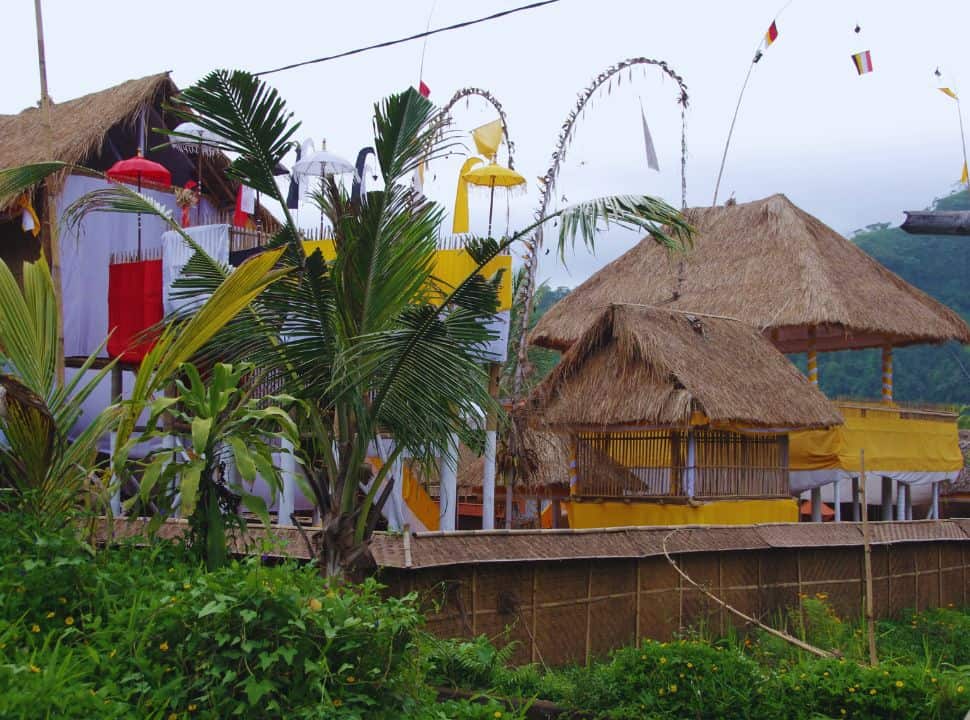
The Perfect Combination: Ubud vs Sidemen
Think of the two as a journey with balance:
- Ubud energises you — full of culture, flavour and inspiration
- Sidemen resets you — calm, authentic and deeply refreshing
If you can, start in Ubud to explore and immerse yourself in culture, and end in Sidemen to relax, breathe and take in the beauty of rural Bali. It’s a pairing that gives you the very best of both worlds.
Wrap Up: Ubud vs Sidemen
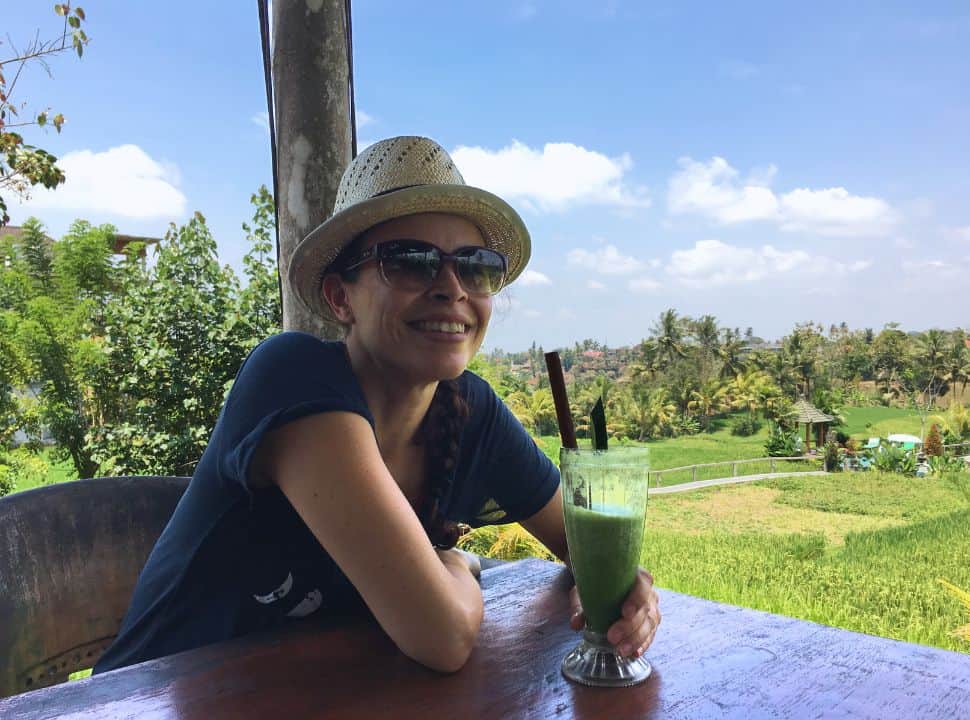
With Ubud growing busier and development changing the landscape, we’ll admit it — these days we often head straight to Sidemen for peace and valley views. But if it’s your first time in Bali, Ubud still deserves a spot on your itinerary. Just make sure you take it slow:
- Wake up early to see the calm before the crowds
- Rent a scooter to explore beyond the center
- Wander the rice paths at sunset (mosquito spray = your best friend!)
Despite the traffic and the smoothie bowl craze, Ubud remains the cultural heart of Bali — and that’s something every traveler should experience once.
But if you love village life, ceremonies in the rice fields, women carrying offerings at sunrise, and farmers tending their crops — Sidemen will absolutely steal your heart.
So, the question “Ubud or Sidemen?”
Honestly… it’s the wrong question. They’re not rivals — they’re completely different worlds.
The real debate might be: Sidemen vs. Jatiluwih? Batukaru? Munduk? (But let’s save that adventure for another time 😉)
For now, the perfect plan is simple:
👉 Visit Ubud first for the culture
👉 Then Sidemen for the calm
Trust us: after the buzz of Ubud, Sidemen will feel like Bali pressing the reset button.
Want to know more about Batukaru? Check out all the things you can do in this stunning area here.
PIN IT TO SAVE IT FOR LATER

Monico was born in Kuwait and grew up in Indonesia, Malaysia, and Australia, which gave her a unique perspective on the world from a young age. Her first solo travel experience took her to Indonesia, where she volunteered at an orangutan rehabilitation center, and since then, she has focused her travels on environmental and conservation projects in places like Panama and Australia. Along with her love for wildlife, Monico enjoys exploring historic European cities, swimming in the sea, and tasting street food in Asia.