Things to Do in Batukaru Bali – A Must Visit Hidden Gem
After traveling through Bali for many years, we finally added the Batukaru area to our itinerary — and honestly, we still don’t know why it took us so long. In Bali, it seems that everything outside Canggu, Seminyak, Ubud, and Sanur is labeled a “hidden gem,” but Batukaru truly earns that title. This peaceful region quickly became one of our favorite places to escape Bali’s busier tourist spots.
Most travelers know Batukaru for Mount Batukaru — Bali’s second-highest volcano at 2,275 meters — and the sacred Pura Luhur Batukaru temple on its jungle-covered slopes. But this area offers so much more, especially if you love nature, local culture, and slow travel.
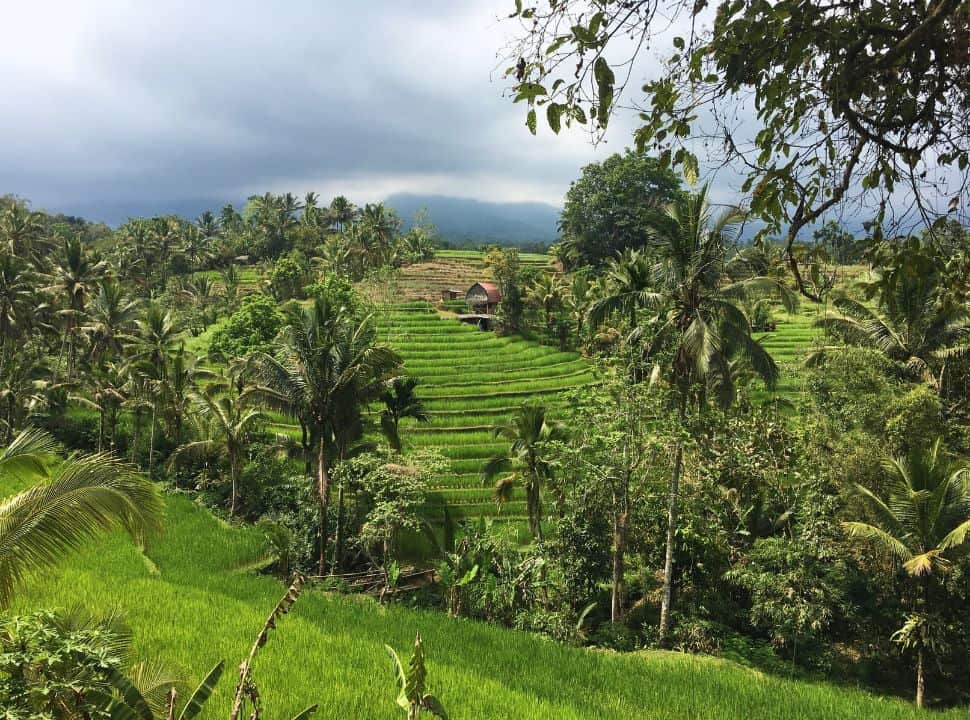
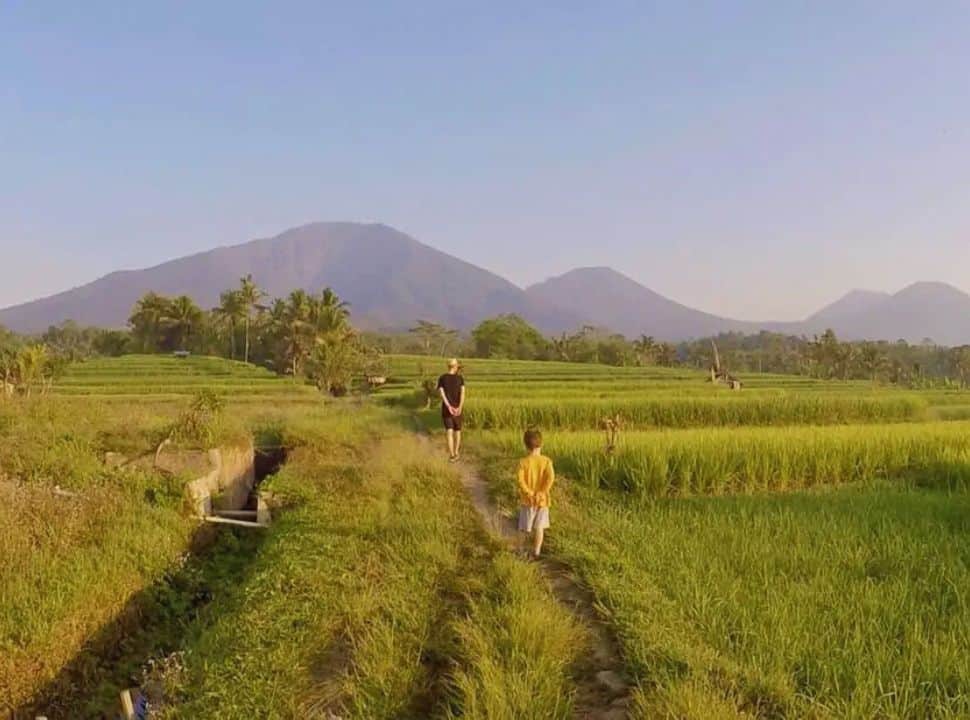
The lush rice terraces here feel like a real-life postcard, and the constant sound of cicadas (jangkrik) adds a calming soundtrack we haven’t experienced anywhere else in Bali. We could have spent the entire trip simply walking through the rice fields, enjoying the quiet and fresh mountain air. Yet there are plenty of things to do in Batukaru if you’re looking to fill a few peaceful, crowd-free days.
In this travel guide, we’ll share the best things to do in Batukaru Bali, where to stay, and helpful tips to know before you go.
Quick Glance of the Things that you can do around Batukaru are:
- Visit Pura Luhur Batukaru (Batukaru temple)
- Hike Mount Batukaru
- Join a Village and/or Jungle Hike
- Soak in the Batukaru hot springs
- Explore Jatiluwih Ricefields
Disclaimer: This post may contain affiliate links. If you make a purchase or booking through one of our links we may earn a small commission (don’t worry, it’s at no extra cost to you).
Things To Do Around Batukaru Bali
As mentioned, Batukaru is best known for its sacred, ancient temple and Bali’s second-highest mountain, Mount Batukaru. Unlike other parts of the island, there aren’t many independent companies promoting tours or activities here.
Most experiences are offered directly by the local accommodations, often involving hikes through the surrounding forests and plantations.
Even if you’re not staying at one of these places, it’s still worth checking out what they offer — non-guests are usually welcome to join and enjoy the activities too.
1. Visit Pura Luhur Batukaru
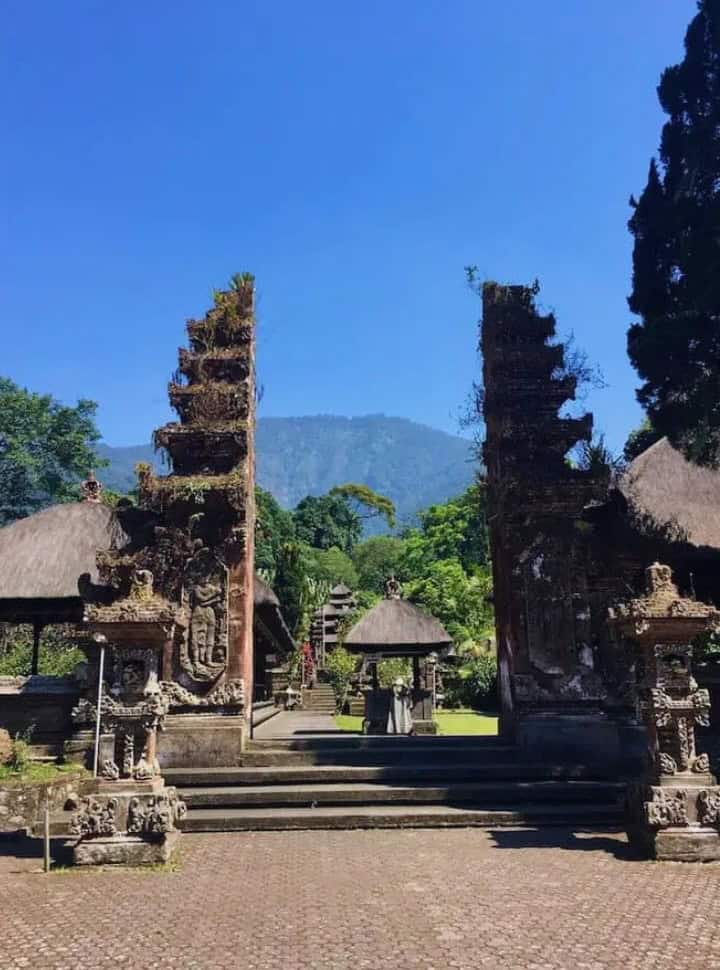
Pura Luhur Batukaru is one of Bali’s six main temples and part of the nine directional temples built to protect the island from evil spirits. Nestled at the foot of Mount Batukaru — Bali’s second-highest volcano — it’s one of the island’s most sacred sites.
Surrounded by misty forest, the temple draws Balinese from across the island to honor Mahadewa, the god of Gunung Batukaru. A nearby lake holds a shrine to the Goddess of Lake Tamblingan, though only priests are allowed inside. The water is considered holy and is often collected for ceremonies.
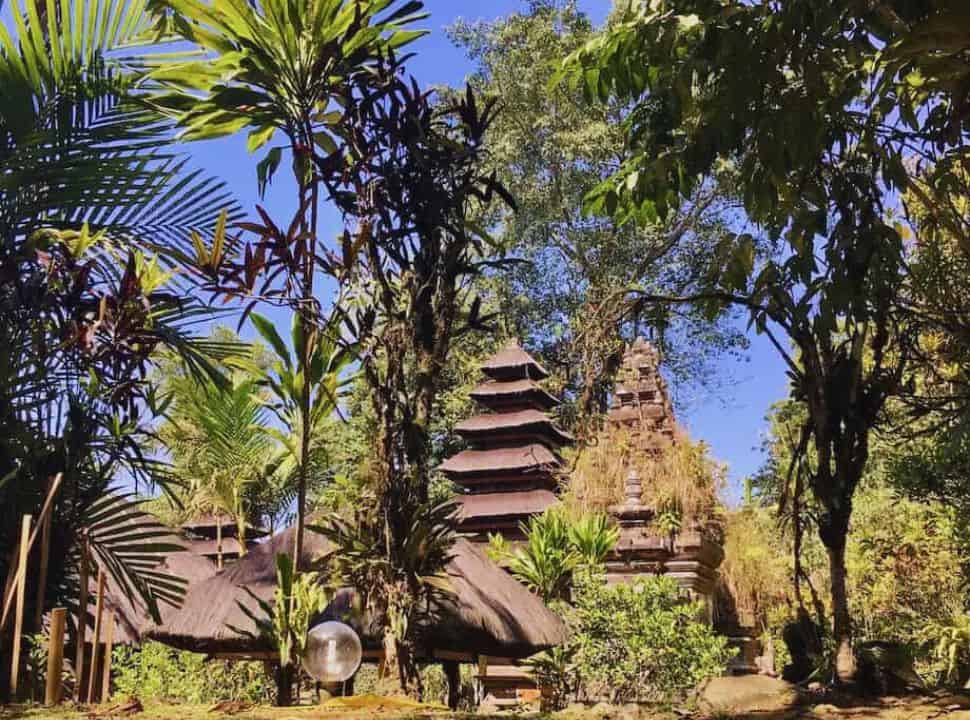
If you arrive early, you’ll likely have the temple almost to yourself. Unlike more touristy temples, many areas are restricted to devotees, so you won’t see everything up close. But between the moss-covered walls, serene lake, and ancient forest, the natural setting is unforgettable.
The temple dates back to the 11th century and has been rebuilt several times, most recently in 1991, to host large ceremonies.
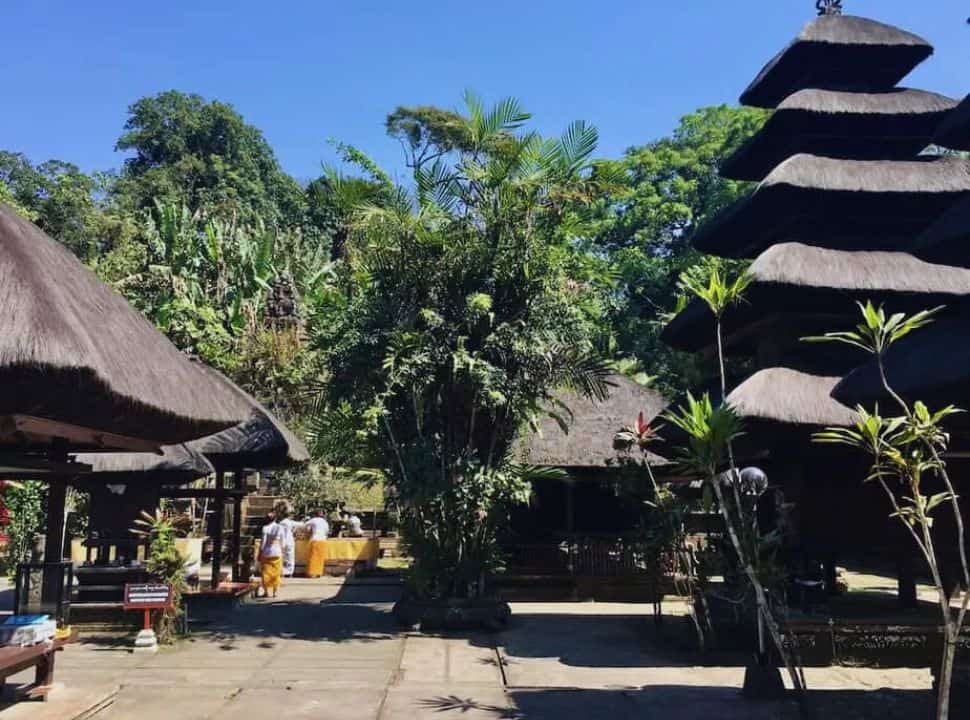
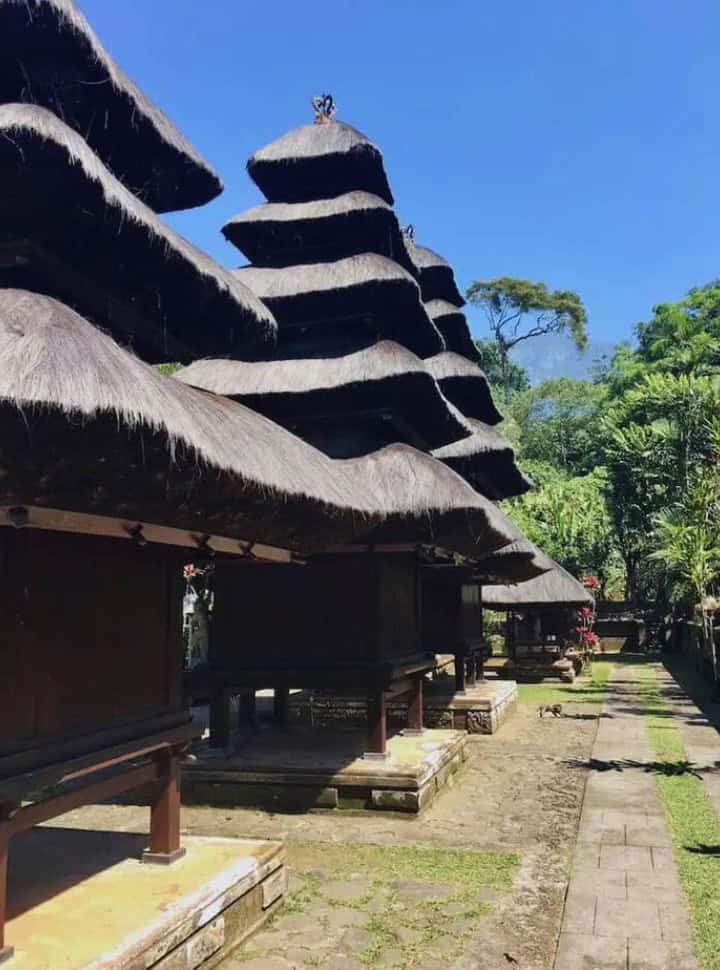
Visiting during a temple anniversary — held each Thursday after the yearly Galungan celebrations — is magical, with worshippers in colorful attire carrying tall offerings on their heads. It’s a rare chance to witness Balinese tradition in full bloom, making Batukaru Temple an experience beyond just sightseeing.
What To Expect When Visiting Luhur Batukaru Temple?
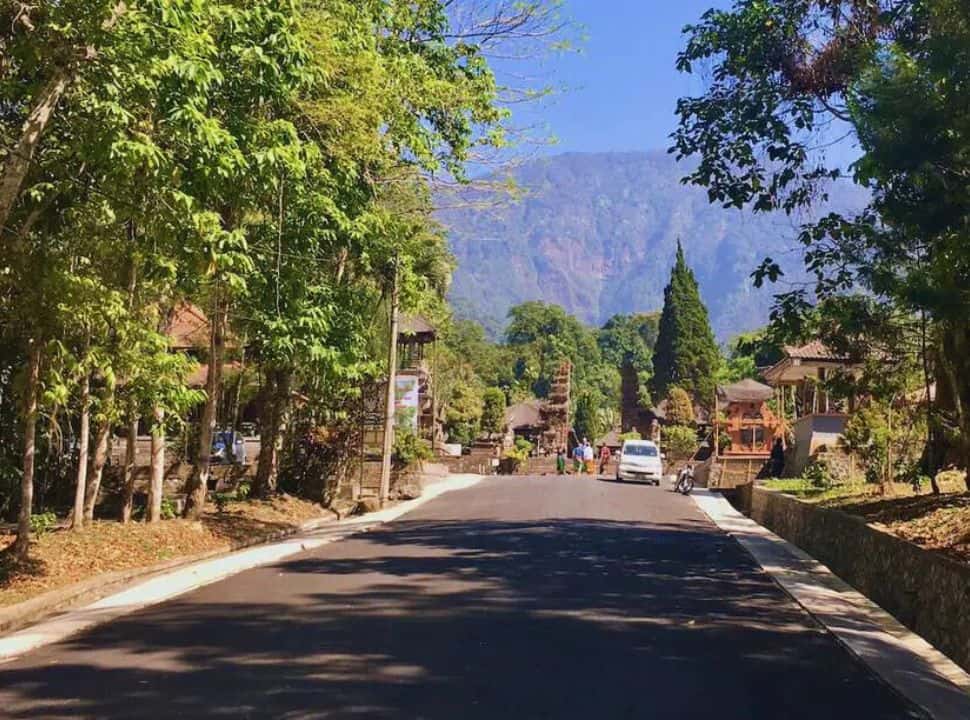
We found it very easy to find Pura Batukaru. Once you follow the signs to Wongayagede you can see Mount Batukaru straight ahead of you.
You will enter large gates before you reach a broad driveway leading you to the temple. Funny enough it looks very organized. It doesn’t really fit the profile of a Balinese temple.
But considering how sacred this temple is and picturing thousands of devotees coming here at the same time, it is pretty understandable that it is built like this.
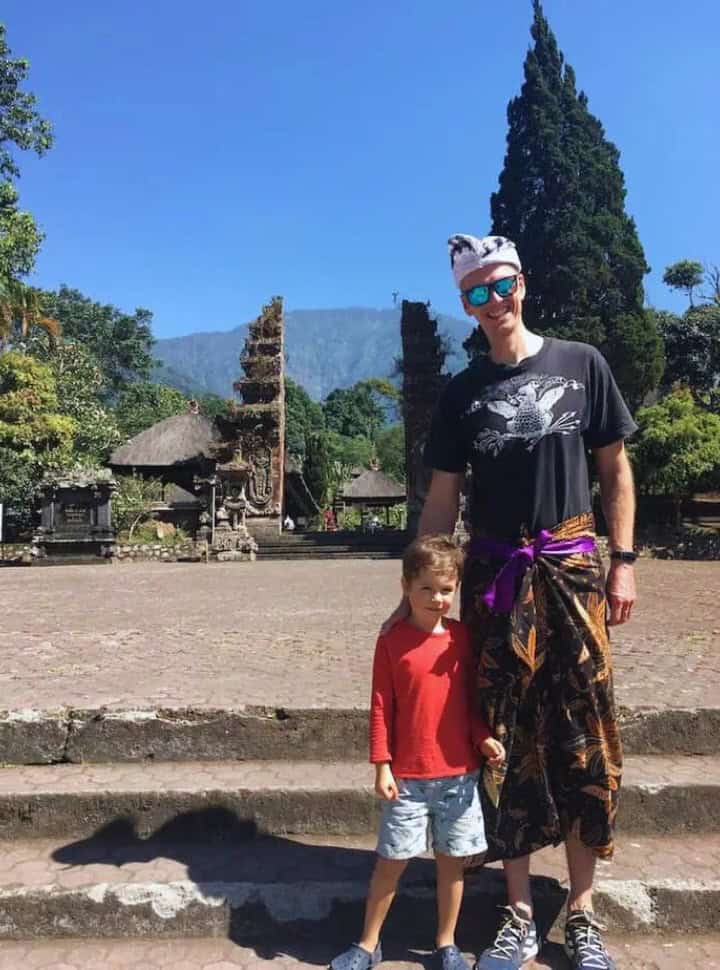
We also had the feeling that things are more strict. Besides the regular restrictions of those who are allowed to enter, this temple has also added children that haven’t lost a baby tooth yet and women who have just given birth.
Also at the security post, men will provide you with a sarong, sash, and even a headcloth (udeng). The latter is never provided at other temples. They will also help you put it all on to make sure it is done properly.
The Batukaru temple entrance fee is Rp. 40.000. It is 24/7 open for those who come to worship and from 8 am to 6 pm for visitors.
2. Hiking Mount Batukaru
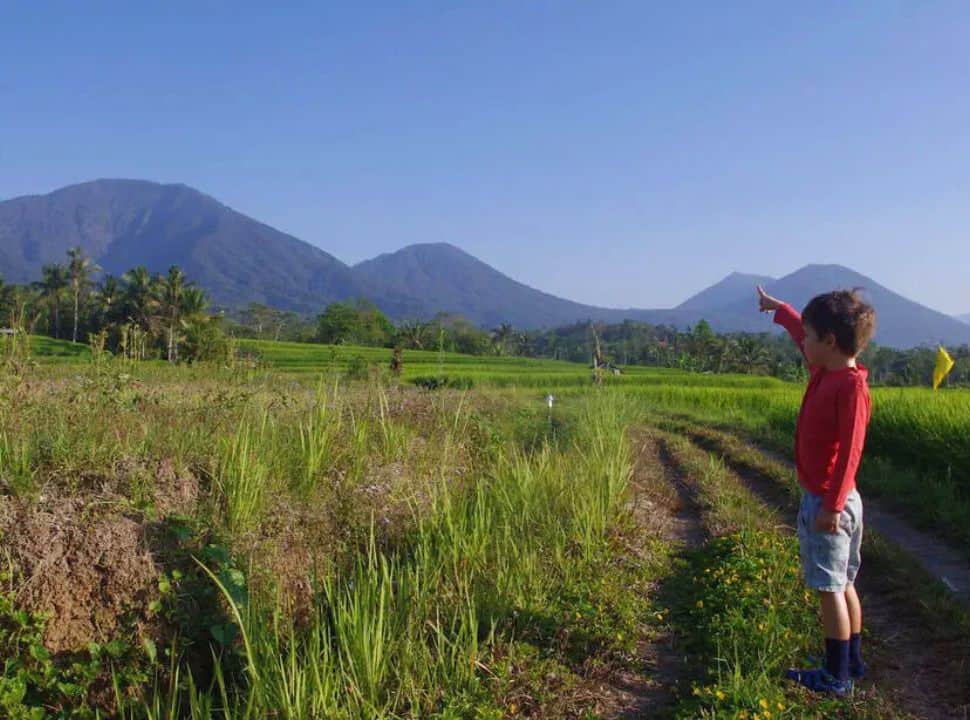
Hiking Bali’s second-highest mountain, Mount Batukaru, is possible but only recommended for experienced hikers. Its challenging terrain is likely why it isn’t climbed often — which, for some, adds to its appeal.
Many accommodations in the Batukaru area offer guided trekking tours to the summit but you can also arrange a guide beforehand. Local guides should be certified by the Sarinbuana Trekking Guides Association (STGA) to safely lead you through the dense forest.
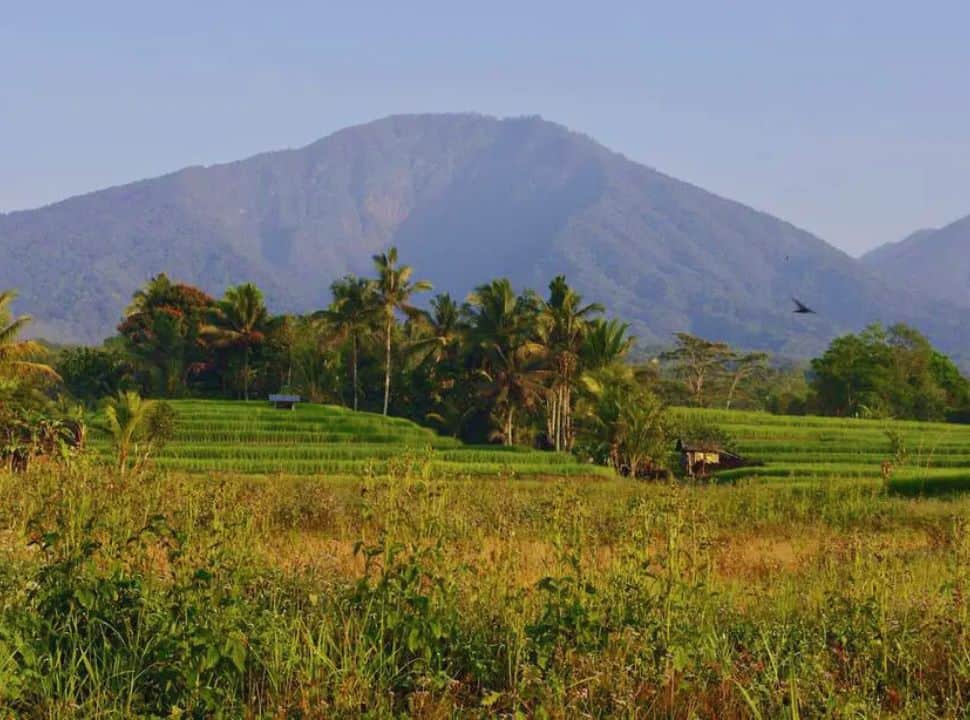
Independent hikers are welcome, but trails are poorly marked. Attempting the climb from the southern slopes can be tricky, as locals may insist you hire a guide — often at a very high price. The safer option is to start from the southeastern foothills near Jatiluwih, at Pura Luhur Bhujangga Waisnawa.
The trek is tough: expect slippery paths, thick vegetation, and leeches along the way. The climb takes around five hours, with four to descend. Despite the challenge, the hike is rewarding, passing through lush forest, abundant wildlife, and glimpses of ancient temples and shrines.
We strongly recommend hiring a guide for the Mount Batukaru hike. It’s a challenging trek, and having a guide ensures safety and a better experience. Check the tour we recommend HERE.
3 Village and/or Jungle Hikes around Batukaru
You don’t need to hike Mount Batukaru to enjoy the area. There are plenty of trails winding through forests, plantations, and rice fields. Some are short and leisurely, while others can take 3 to 5 hours through dense jungle.
Good closed shoes and long trousers are essential because of leeches and mosquitoes.
Most accommodations in Batukaru offer local guides for hikes. Born and raised in the area, they know the trails better than anyone and guide alongside their daily work in the fields. This also means their livelihoods aren’t entirely dependent on tourism, making them resilient to fluctuations like those caused by Covid-19.
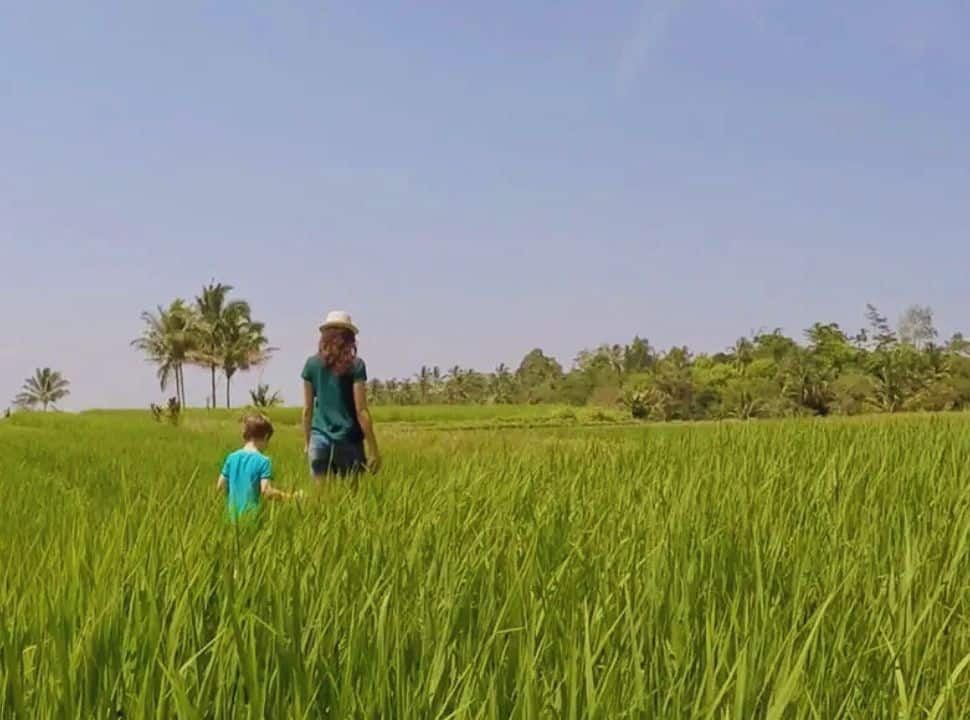
Non-guests can often join treks too. For example, Bali Eco Stay has curated routes, while Sarinbuana Eco Lodge offers 3 to 5-hour treks with a dedicated guide, no matter the group size. Hikes pass through coffee plantations, rice paddies, streams, and local villages, with guides sharing fascinating insights about plants and crops.
For a more relaxed afternoon, the rice fields near Ibu Shanti and Pak Made’s Eco Sari Devi Ecolodge are perfect for wandering and enjoying a cup of tea. It’s best to contact them beforehand to make sure they’re home.
If you’d prefer a guided day trip, we recommend this tour. It includes a temple visit, a Mount Batur hike, Jatiluwih rice terraces, plus a waterfall and hot spring stop. Check for more details HERE.
4. Dip In The Batukaru Hot Springs
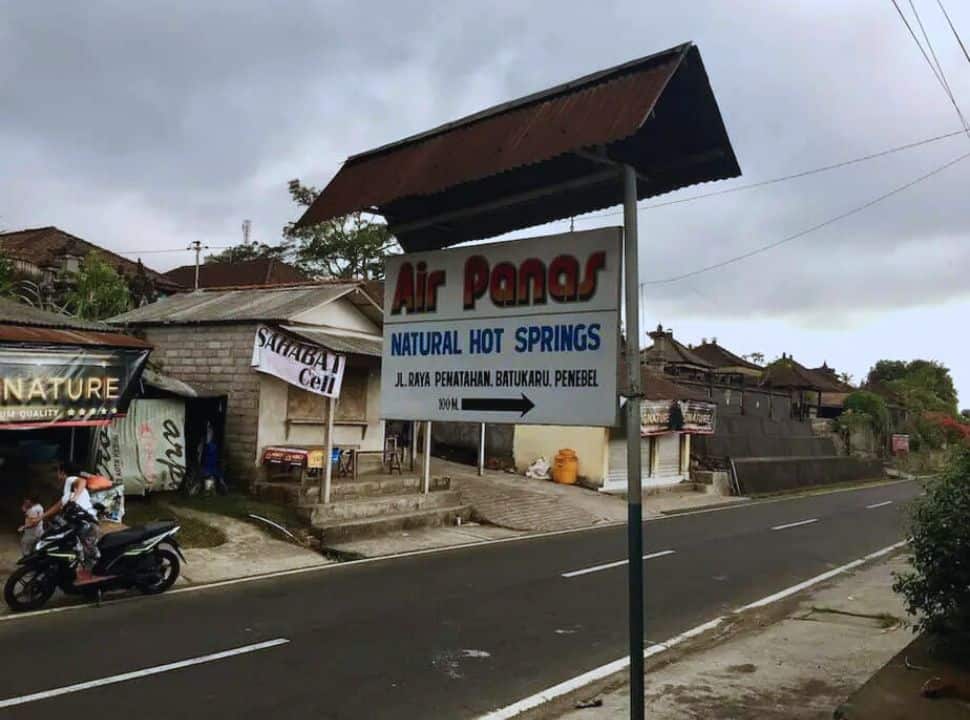
The hot springs near Batukaru are located in a small village called Penatahan, just south of the mountain. Along the main road Jl. Wongayagede-Penatahan you will see a couple of ‘hot springs/air panas’ signs.
We weren’t sure which spot to choose, but after some research, we decided on a more natural, “no-frills” option rather than a resort-style pool — the more authentic, the better. Hidden among Balinese courtyards, the springs are surrounded by lush plants, trees, and flowers.
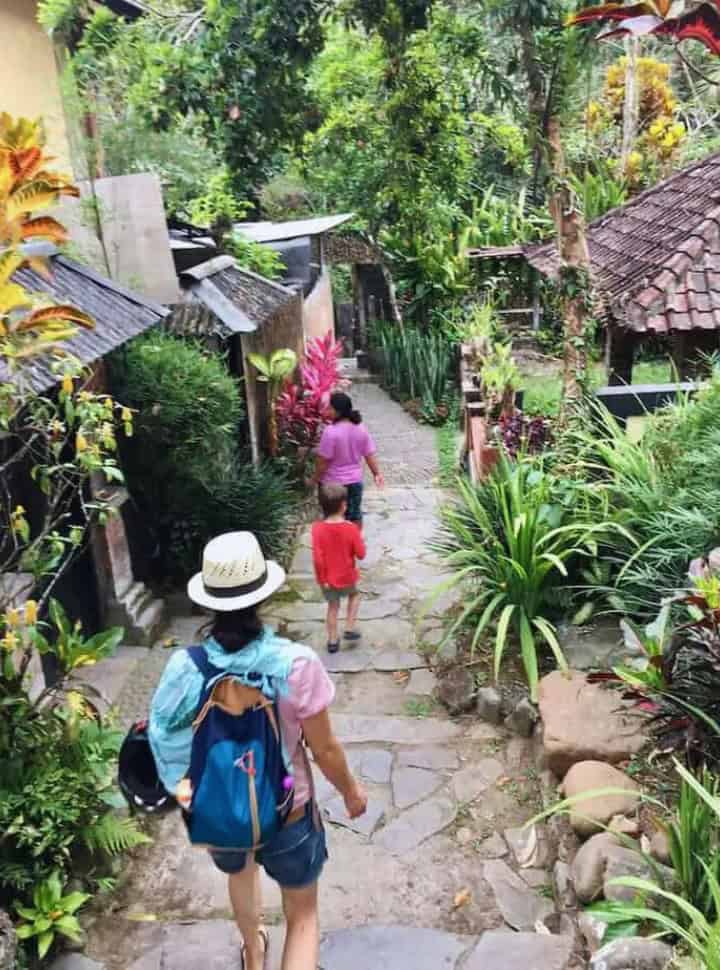
A friendly lady explained the options: private pools for Rp50,000 per person per hour (kids free) or a natural river spring. We checked the river first, but while the water was steaming hot, it wasn’t very private — many people were nearby, and the cobblestone walk in made it uncomfortable.
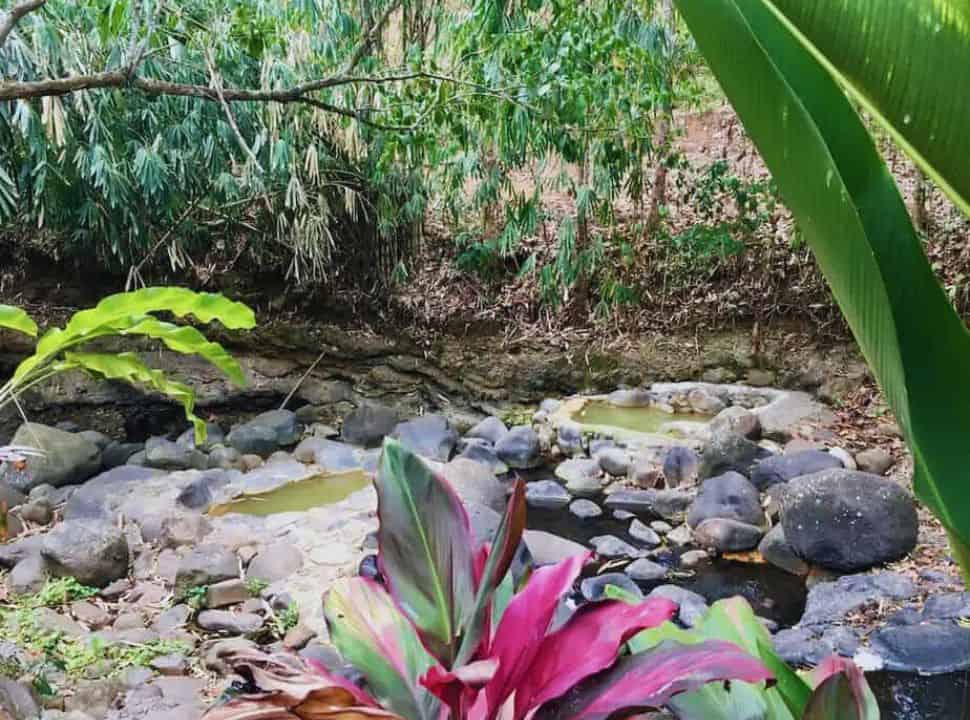
The private pools, however, were perfect. There are about seven small pools, and we had no trouble getting one on a quiet weekday. The water was incredibly relaxing, soothing our skin while giving a gentle sulfur scent.
We had to cool off occasionally under the cold shower, but it felt wonderful.
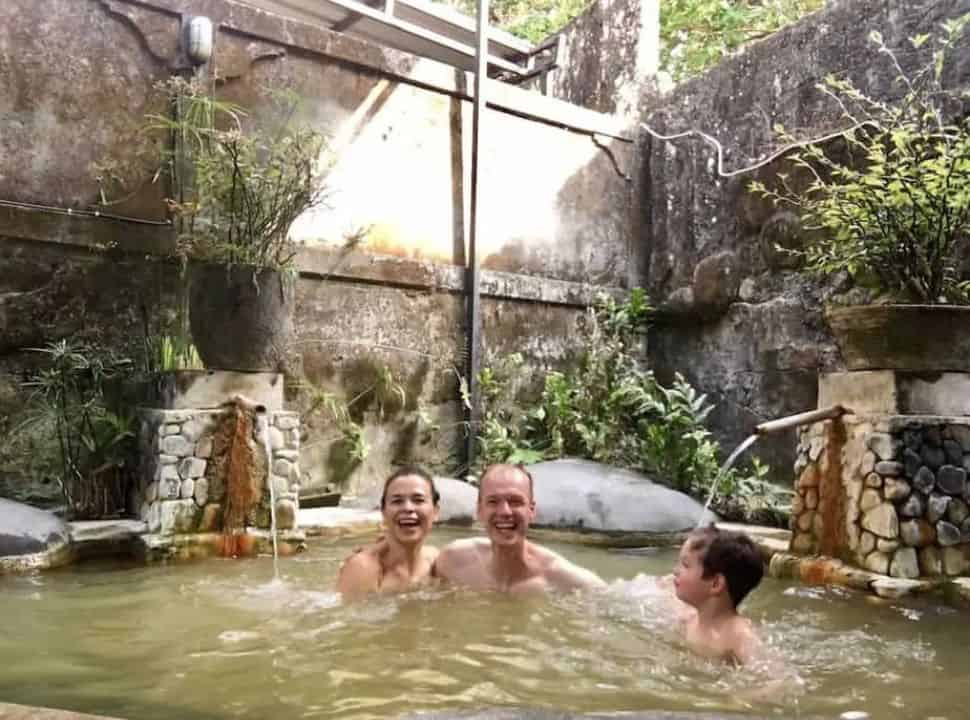
Our son loved it too — we barely managed to get him out after 55 minutes. It was the perfect way to unwind after exploring Batukaru.
5. Take A Day trip to Jatiluwih Ricefields
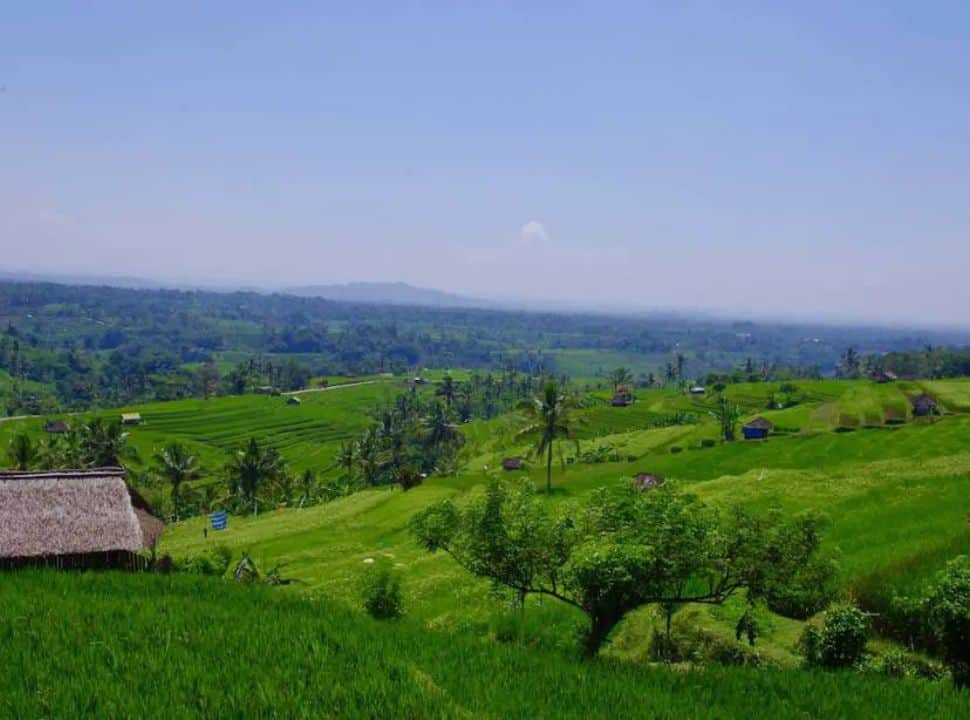
Just around the corner from Wongayagede, the UNESCO-listed Jatiluwih rice terraces are a scenic 30-minute drive from Batukaru, passing small villages and lush forests. You’ll know you’ve arrived when you spot the ticket office along the road — entry is Rp 40,000 per adult, and tickets are checked again within the area, so keep them safe.
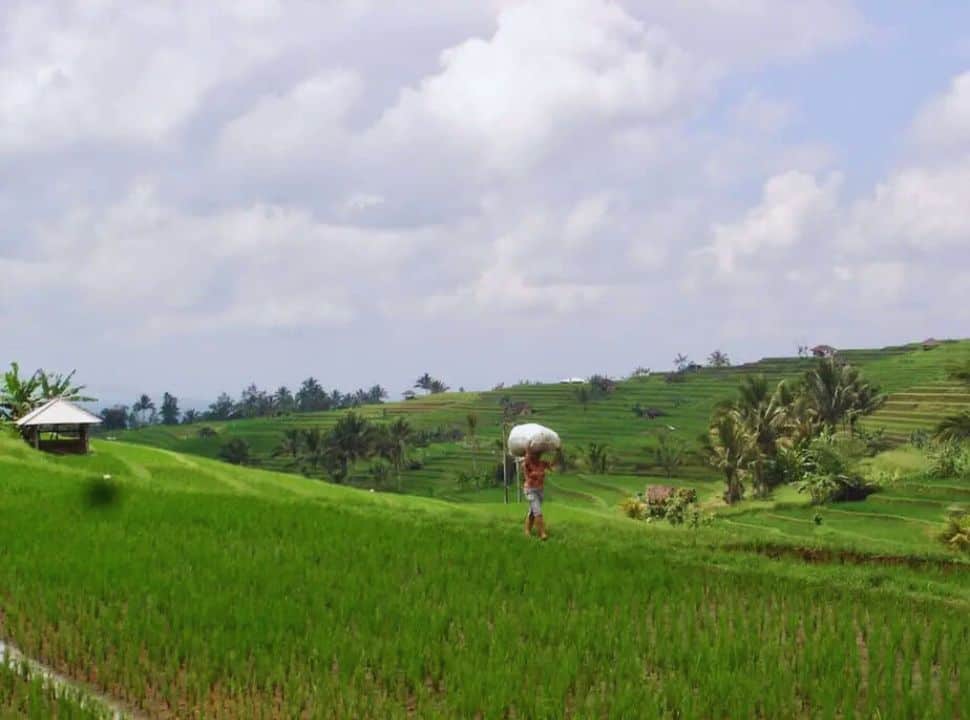
Jatiluwih offers breathtaking views of Bali’s iconic rice terraces, supported by seven Subak traditional irrigation systems that maintain the fields. Scattered throughout are subak temples honoring Dewi Sri, the goddess of rice.
Although we’ve visited this area many times before, it was our first trip from Batukaru. Over the years, the UNESCO designation has brought changes: it’s busier, with more restaurants overlooking the terraces and large tour buses arriving daily. For a quieter experience, visit later in the day — or simply enjoy the rice fields closer to Batukaru.
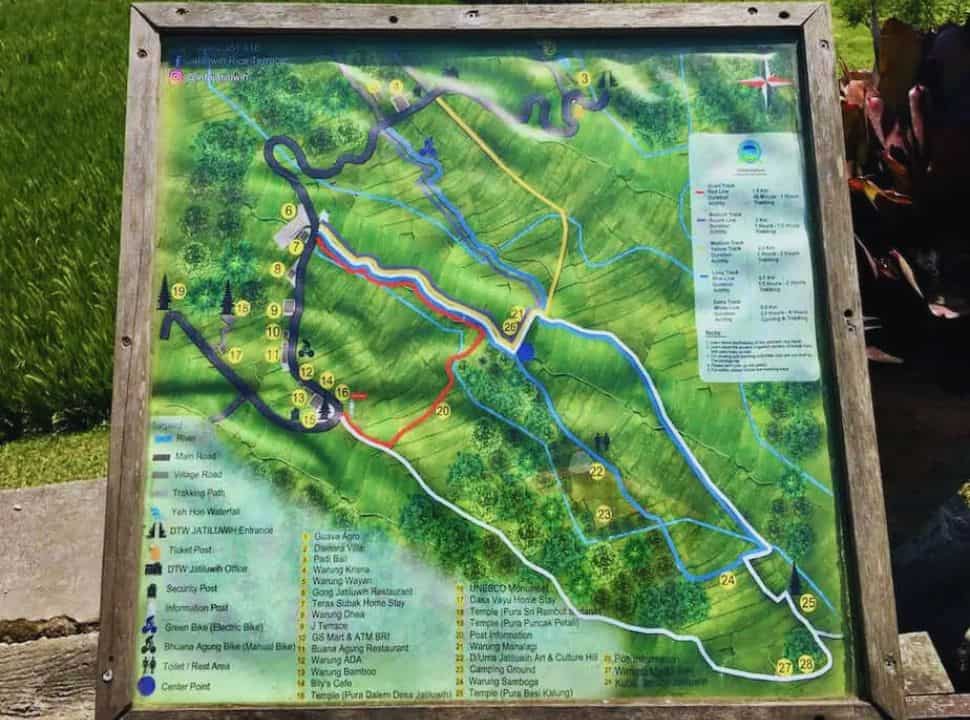
New hiking trails now allow visitors to explore the terraces and learn about rice cultivation up close. For cycling enthusiasts, companies this E-biking cycling tour offer guided bicycle and e-bike tours through the stunning landscape.
Experience more than just the views of Jatiluwih with a 2-hour e-bike tour. Ride through the stunning rice fields, traditional villages, jungle paths, and scenic landscapes — with a delicious traditional Indonesian lunch included.
Click here for more details
What Is Batukaru Bali Like?
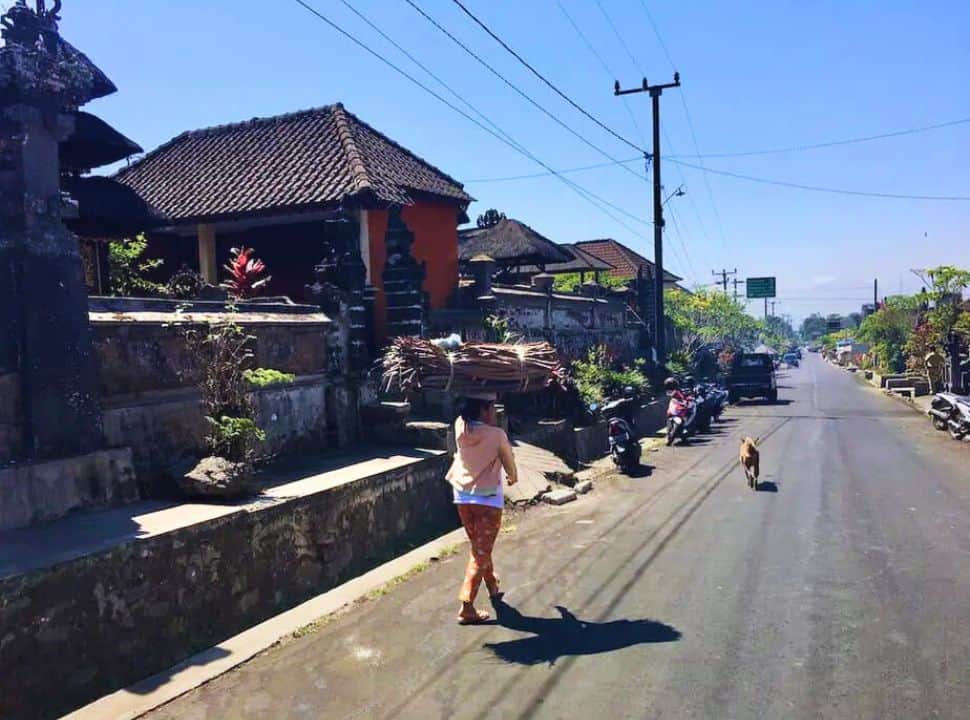
The village near Mount Batukaru and Pura Luhur Batukaru is called Wongayagede, a quiet farming community surrounded by breathtaking scenery — a perfect spot for eco-travelers in Bali.
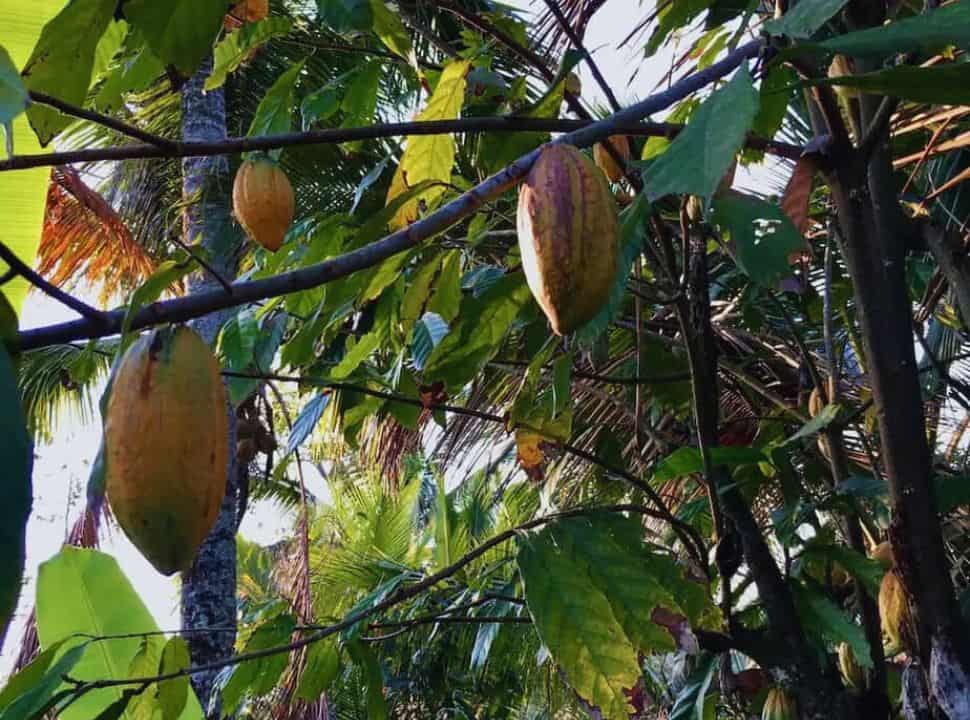
At first glance, the village feels sleepy, but behind the walls and in the fields, locals are busy tending rice terraces, coffee, and cocoa plantations, all while finding time for religious ceremonies.
A quick day trip doesn’t do the area justice — staying here allows you to truly experience the rice fields, jungle, and the warmth of the Balinese people.
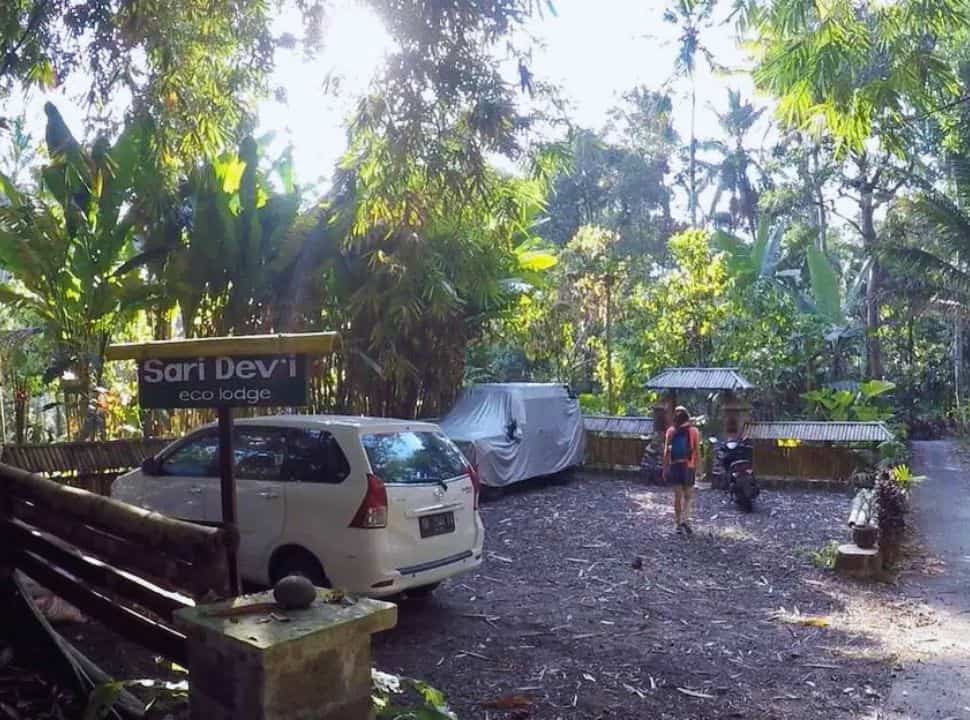
Batukaru isn’t on the typical tourist route, so don’t expect restaurants, shops, or a long list of hotels. Villagers focus on their daily routines rather than catering to visitors, which is part of the area’s charm.
That said, a few eco-lodges tucked away from the main road offer comfortable stays for those who want to immerse themselves.
The people here are incredibly welcoming. Every visit to a small shop for water, snacks, or petrol turned into a friendly chat. Speaking a little Indonesian helps, though traveling with a young child sometimes makes these stops linger longer than planned.
While driving pass, shop owners would alway wave with the biggest smiles
Is The Batukaru Area Worth Visiting?
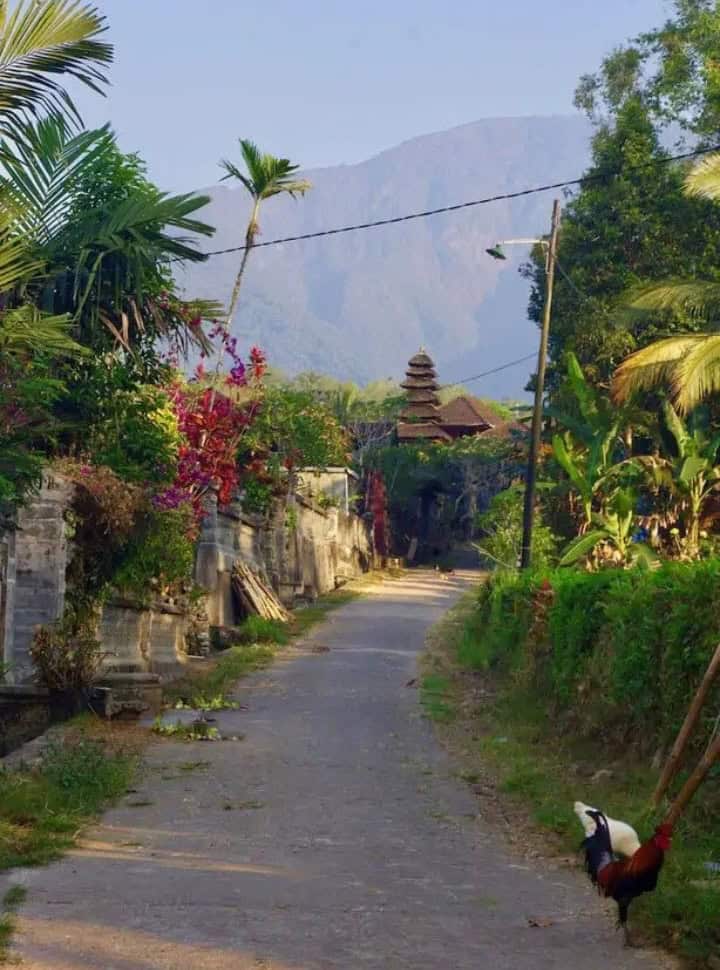
After exploring the Batukaru Bali area, we’re already planning our next visit — so yes, it’s absolutely worth it. Travelers seeking peace, quiet, and a place untouched by heavy tourism will love it here.
One of our favorite moments was sitting on the verandah just before dusk, listening to the distant beat of the KulKul and the chorus of insects slowly rising in the evening air.
A couple of days is perfect to soak in the area. There are plenty of hiking opportunities through rice fields and dense jungle, and the sacred Batukaru Temple is tucked at the end of the main road in Wongayagede village. Day trips to the UNESCO-listed Jatiluwih rice terraces are also easily done.
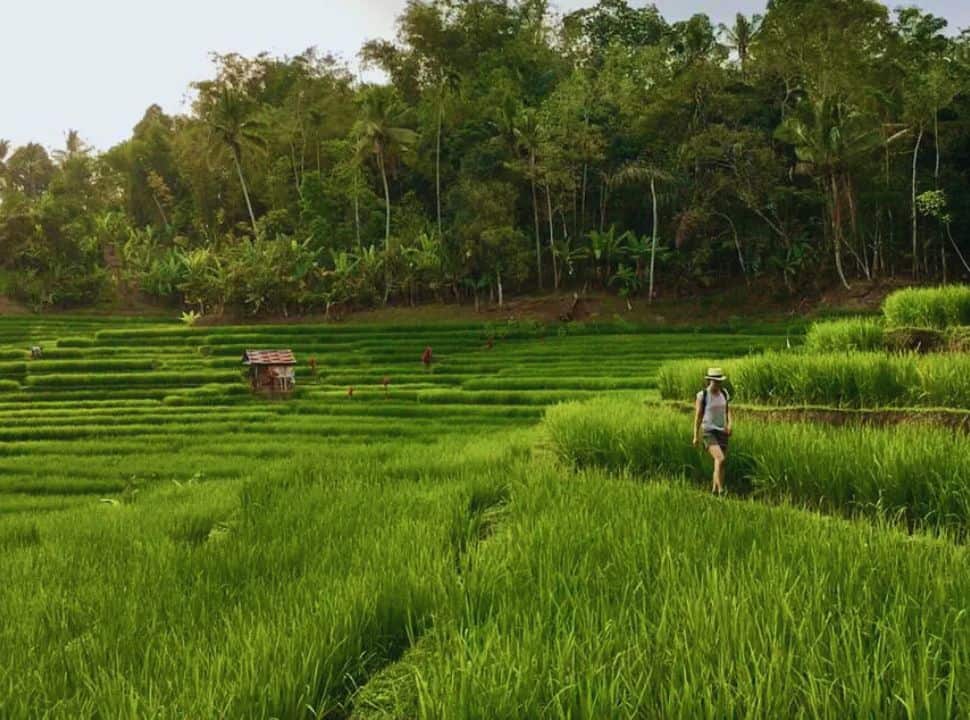
And if you simply want to relax, your lodge is the perfect spot to sit back and gaze over the lush green Balinese landscape, letting the calm and beauty of Batukaru wash over you.
We do have to add that we also fell in love with Batukaru due to the wonderful homestay experience we had. The owners are so sweet and we really enjoyed spending our time there.
So when in Batukaru make sure you choose the accommodation that fits you best. And a great location as the one we had is, of course, an extra bonus.
Will kids love Batukaru Bali area too?
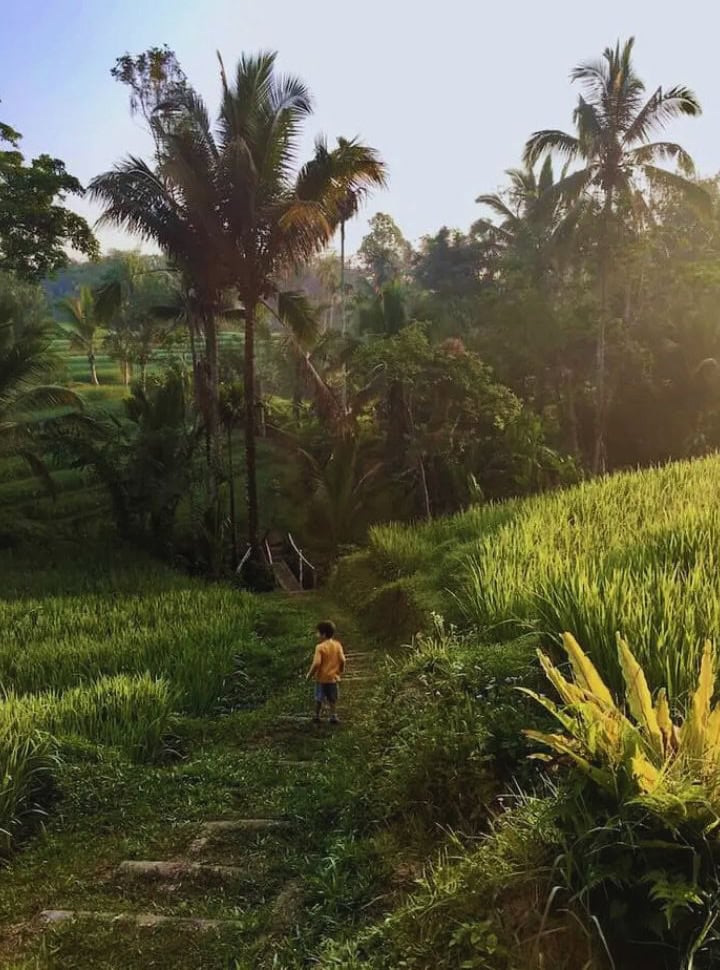
At first, we were a bit worried that our 4-year-old son would be disappointed that there would be no beach or pool. But we were wrong. He loved exploring the premises searching for lizards and other insects he had never seen before. He even helped out in the garden, collecting vegetables for dinner.
I can imagine that teenagers might think it would be boring to be away from all the action. But sometimes you should just give it a try. Exploring the rice fields and forest and getting a bit lost does add to the holiday adventure.
Practical Information On Batukaru
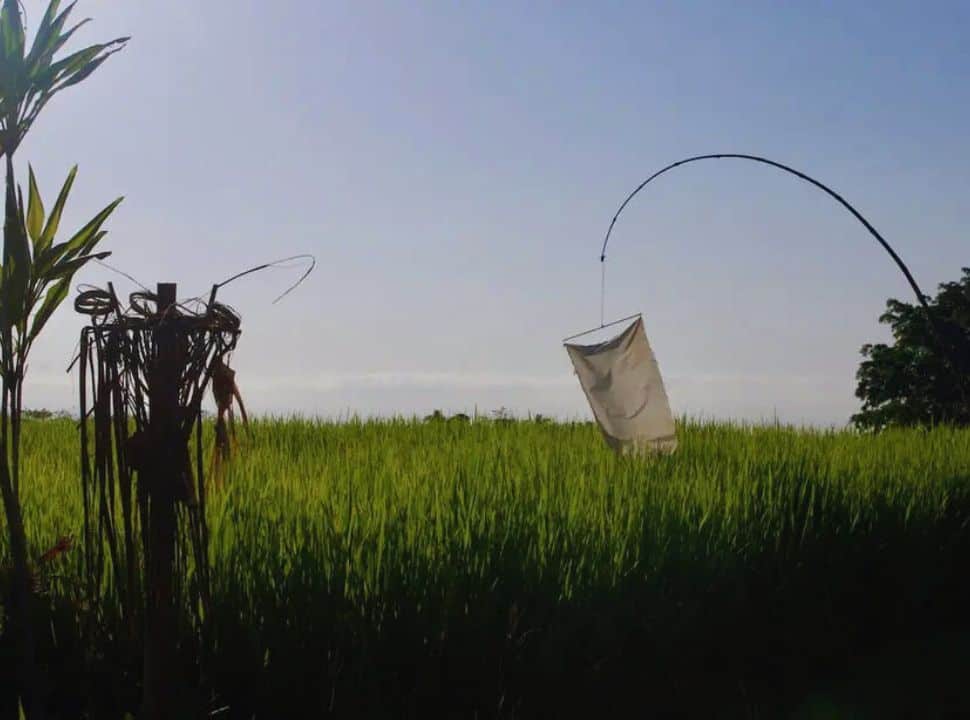
Mount Batukaru is located in Tabanan Regency in the North West of Bali. This area is known as the ‘Rice Basket’ of Bali and once driving uphill you will understand why.
The Unesco world heritage site of the Jatiluwih Rice Terraces has taken the spotlight from other nearby rice terraces. But if you love touring aimlessly around you will find other magnificent rice fields too.
Additionally, the slopes of Mount Batukaru are blessed with ancient protected forests. Flora and fauna thrive here while water sources provide natural spring water which is drinkable.
How To Get To Batukaru?
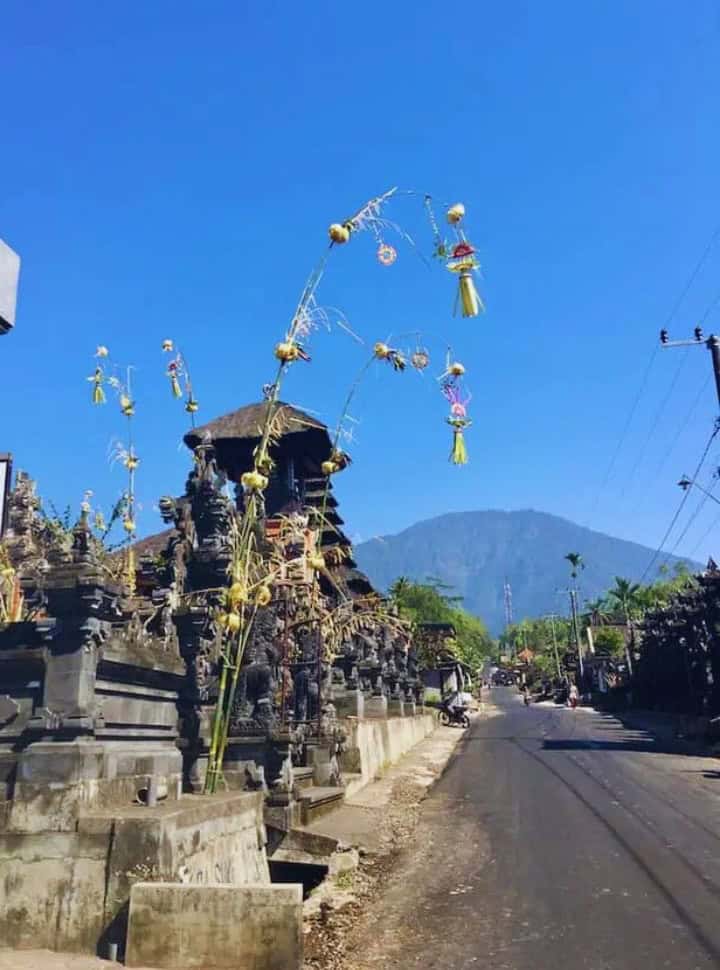
Depending on which side of Mount Batukaru you’re staying on, you can approach via Tabanan or Penebel. From either side, the roads wind through smaller streets and tiny Balinese villages, offering a glimpse of everyday life away from the usual tourist routes.
It’s important to have the exact address of your accommodation. Taking the wrong road could mean a long detour, potentially driving south again before finding the correct route. Many accommodations provide detailed directions since Google Maps isn’t always reliable in the area.
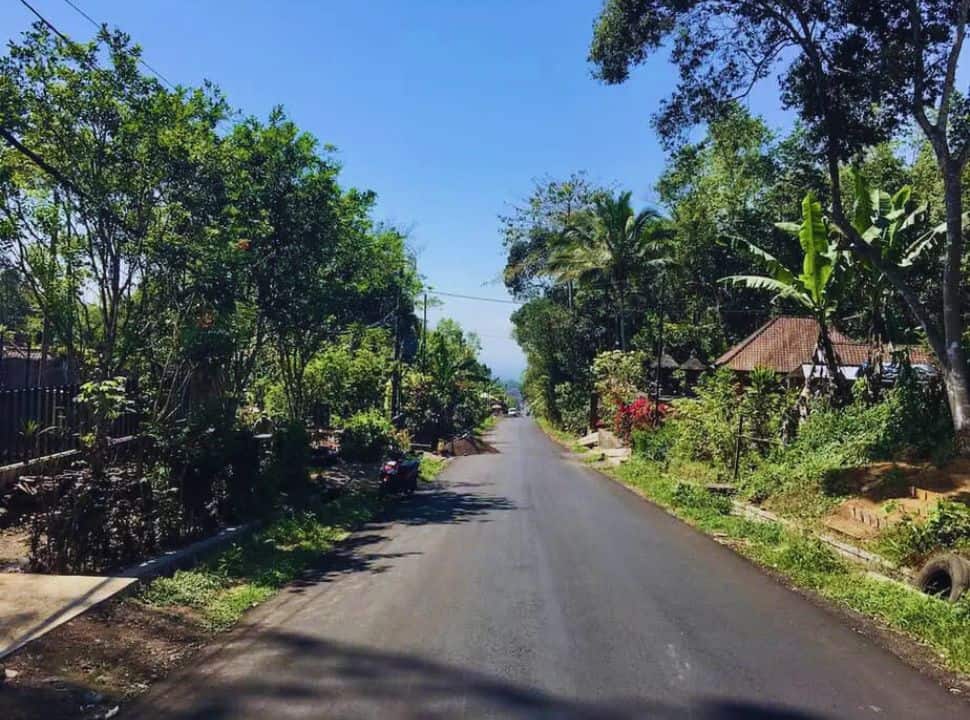
If you’re coming from the south, consider the scenic route along Jalan Denpasar–Gilimanuk. After passing Tabanan and Jalan Raya Timpag, any street heading north will take you through villages rarely visited by travelers. The rice fields alone make this detour worth it — plan for a full day if you want to explore, and a motorbike is ideal for truly enjoying the scenery.
Signs will eventually point you in the right direction. Wongayagede, located on the southern slopes, has a single main road ending at Pura Luhur Batukaru. Other villages on the western and eastern slopes are also part of the Batukaru area, each offering its own slice of quiet, green Bali.
How Is The Weather In The Batukaru Area?
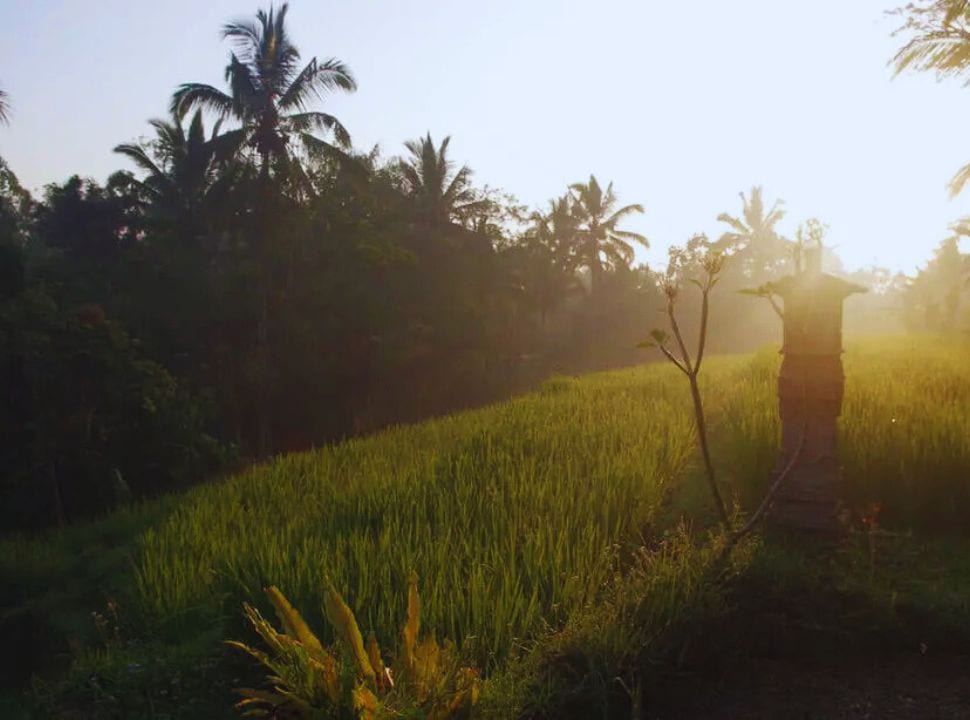
Like many mountain villages, Batukaru can be quite chilly in the early mornings and late evenings. The morning mist usually lifts by around 10 AM, bringing warmer temperatures.
We visited at the end of the dry season, when locals were eagerly awaiting rain. In Wongayagede, they hadn’t seen a drop for months. Thanks to the ingenious rice irrigation system, the fields remained a vibrant green, even as surrounding vegetation had turned crispy brown.
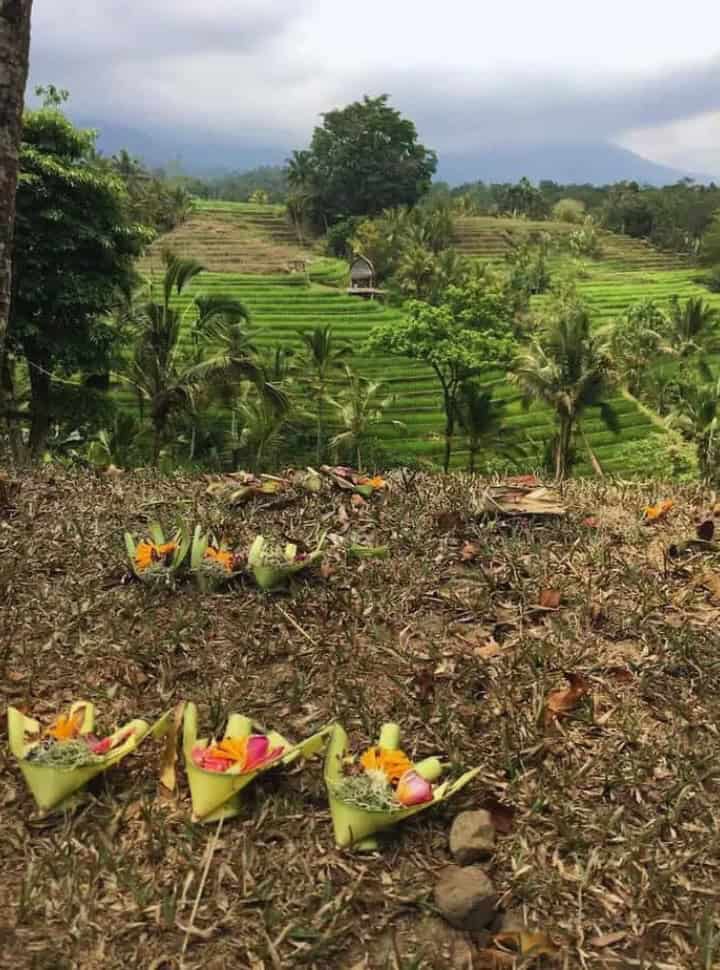
Once the rainy season begins (November-December), overcast skies dominate, and daily showers are common. Mount Batukaru’s slopes are among the most humid on the island, and temperatures on the second-highest peak can drop to around 16°C even during the day.
If you plan to hike, the dry season (October to April) is ideal. Start early in the morning, as clouds tend to roll in by the afternoon, obscuring views and making trails slippery.
Getting Around The Batukaru Area
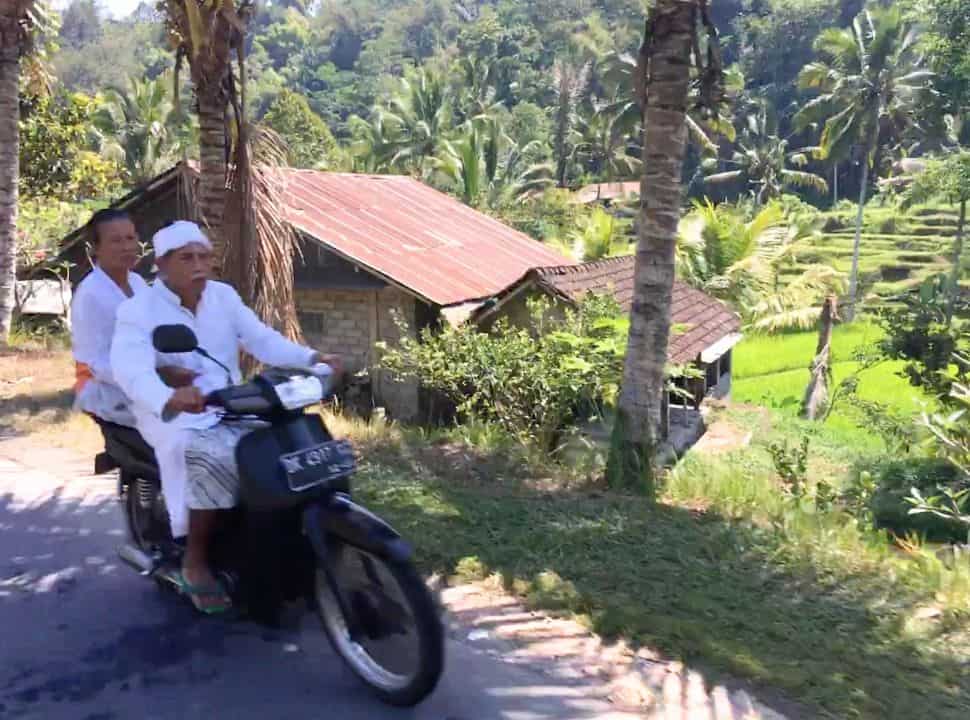
The Batukaru area is perfect for exploring on foot with a guided jungle-and-village trek, but motorbikes are our favorite way to get around. The ride to Batukaru itself is stunning, making the journey just as enjoyable as the destination.
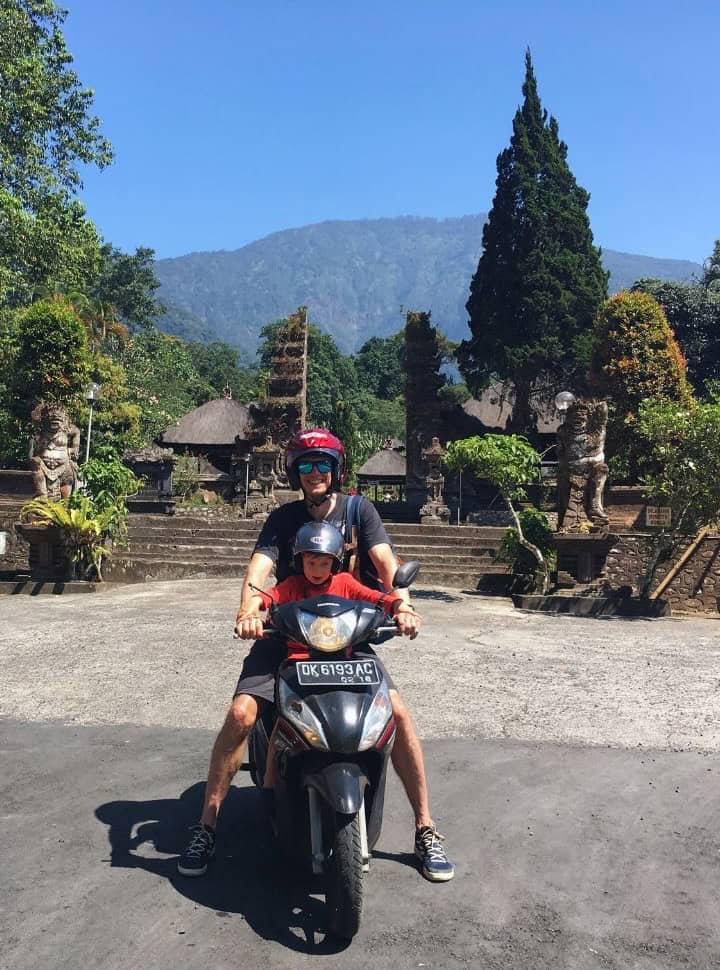
Traveling with our little son, we arranged a car to reach Wongayagede, then rented a motorbike from our accommodation for Rp 70,000 a day. This made it easy to explore the villages, rice fields, and hidden corners along the smaller streets.
We don’t recommend using a car once you’re in the Batukaru area — you’ll miss the little details that make it special and mostly stick to the main road, which can feel monotonous.
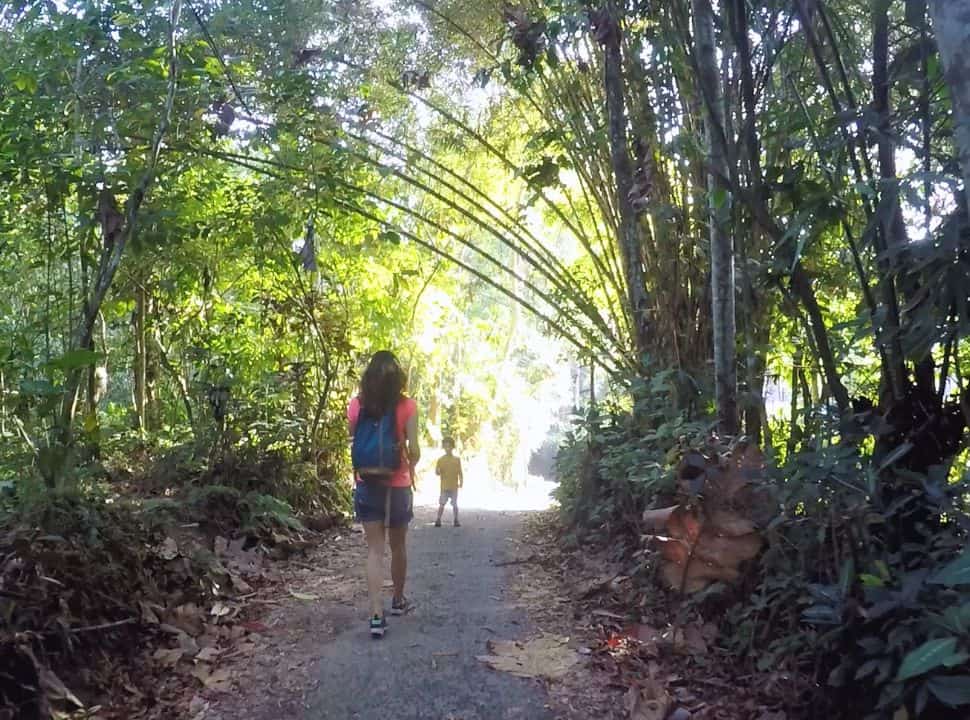
Walking is another great option. Morning strolls in Wongayagede village are peaceful and give you a real sense of local life. Just be cautious on the main road to Mount Batukaru: it’s straight and smooth, so locals often drive faster than you might expect.
Places to Eat in Batukaru
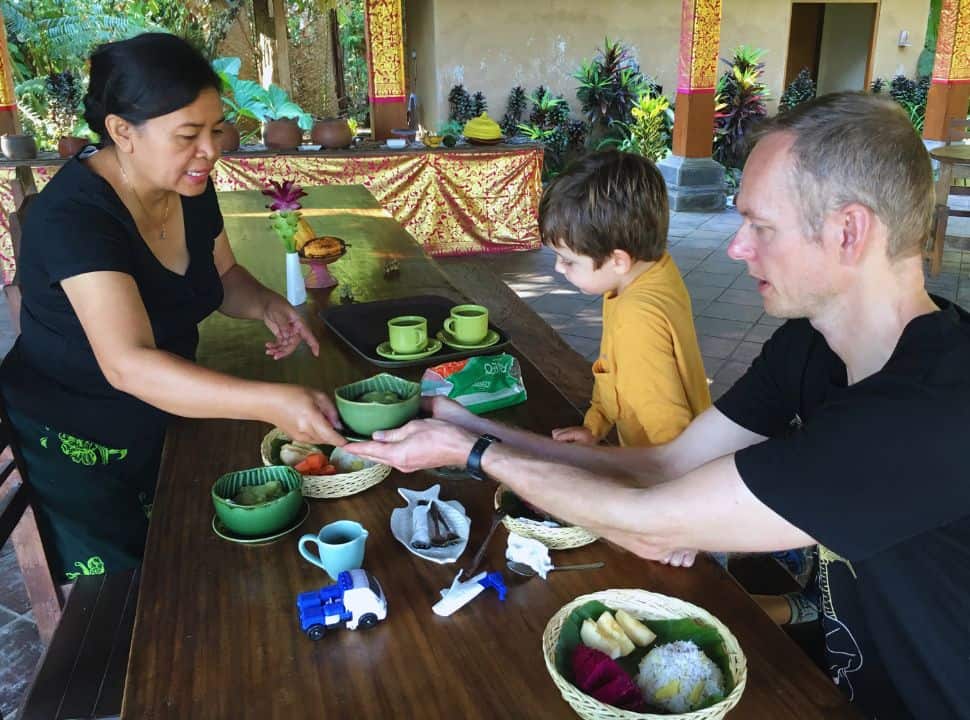
When staying in the Batukaru area, you’ll likely have most of your meals at your accommodation, as independent restaurants are scarce.
There is a local warung where you can grab noodle soup, fried vegetables, or meat dishes at local prices, but most dining options are linked to lodges and homestays.
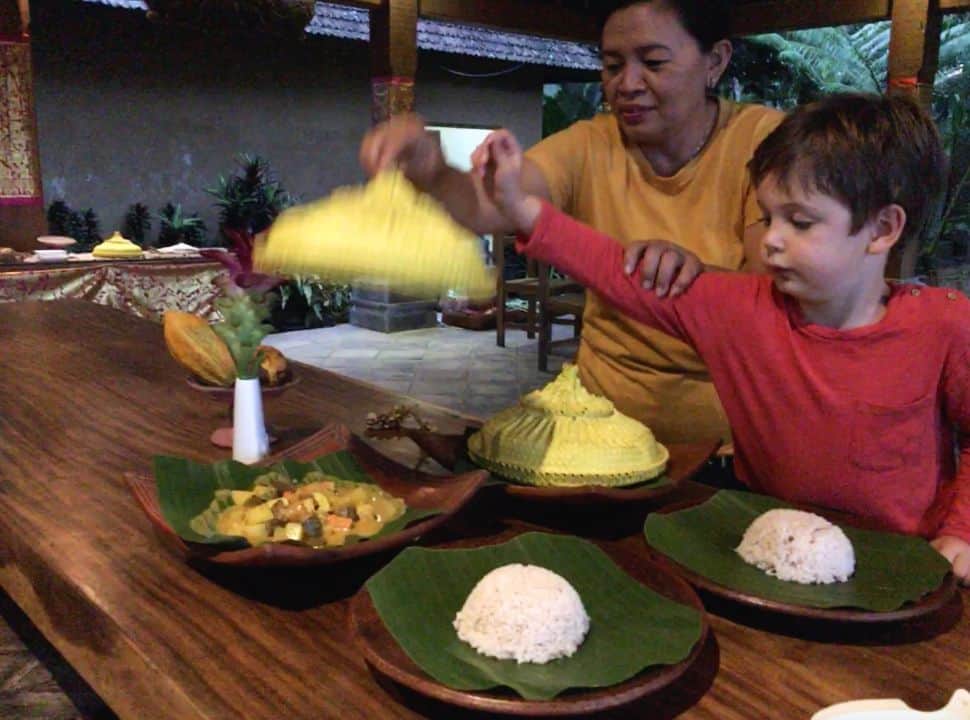
At our homestay, we enjoyed delicious homemade meals. In the mornings, we’d let our hosts know if we wanted lunch or dinner, and after a day of exploring, a freshly prepared meal was ready as soon as we finished our shower. Each meal came with stories and laughter from Ibu Shanti and Pak Made, making it a highlight of the day.
On day trips, there are more options. Jatiluwih has several restaurants with rice field views, but the large, tourist-focused buffets can feel crowded and impersonal. Instead, we recommend driving past the main area and even beyond the ticket checkpoint, where you’ll find smaller local spots with beautiful settings.
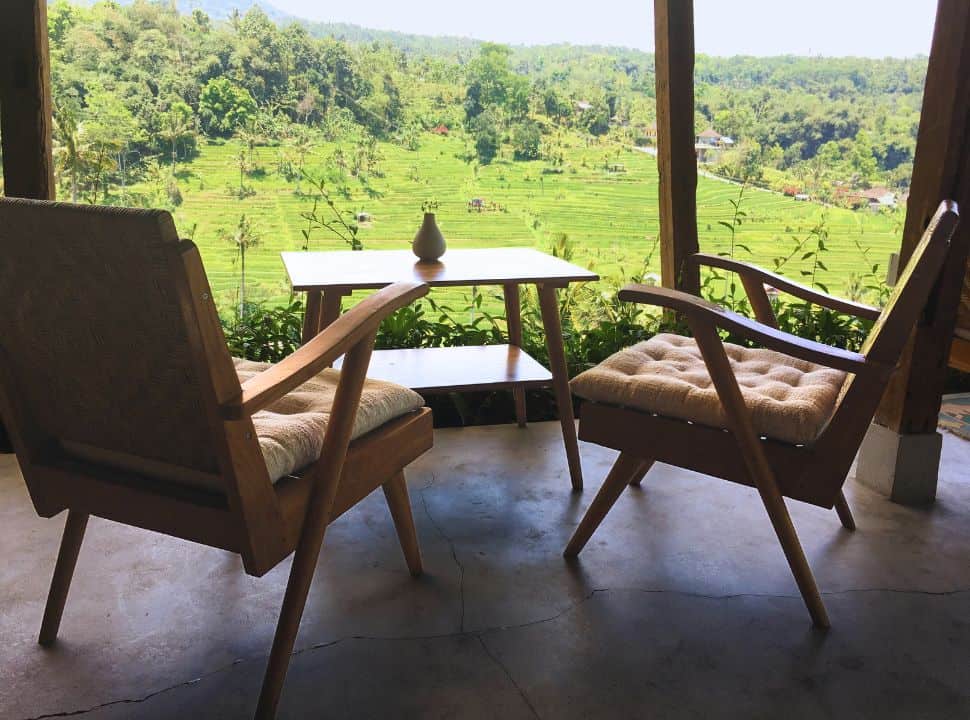
One of these spots is the beautifully designed café this Batu Karu Kopi. Their coffee and stunning rice field views are the best. Owned by a Swedish-Balinese woman, it serves hip Western dishes and its own roasted coffee — a perfect spot to relax after touring the area.
Mount Batukaru Accommodation
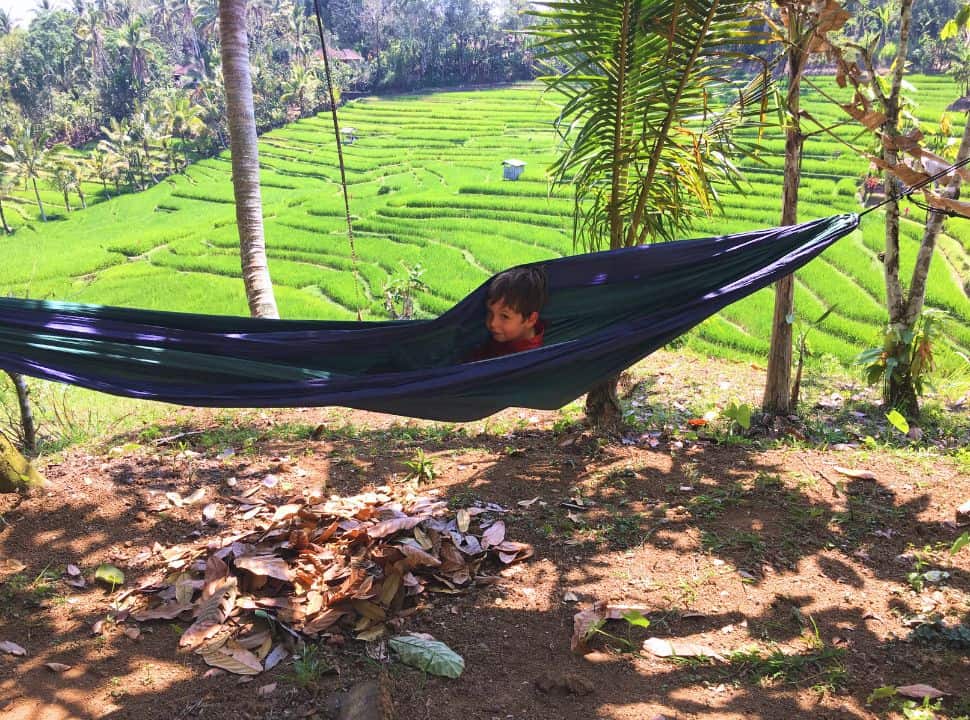
With its lush jungle, flowing streams, green mountain slopes, and rice fields, Batukaru is a dream for nature lovers — and thankfully, there are several beautiful eco-friendly mountain retreats and homestays to choose from.
As mentioned earlier, in Batukaru the accommodation truly becomes part of the experience. Some stays are tucked deep in the jungle, others sit right among rice terraces, and a few focus on yoga and retreat-style serenity.
Be sure to book ahead. Most places only have a few rooms, and they can be tricky to find, so your driver will definitely want the exact address before heading up the mountain.
Accommodations are spread across the southwestern, central, and eastern slopes of Mount Batukaru. Ending up on the wrong side means backtracking south to reach the correct road, so double-check the location before you go.
These are the places we’ve stayed at or that stood out during our search for somewhere special to stay:
Our stay at Sari Devi Ecolodge, Wongayagede
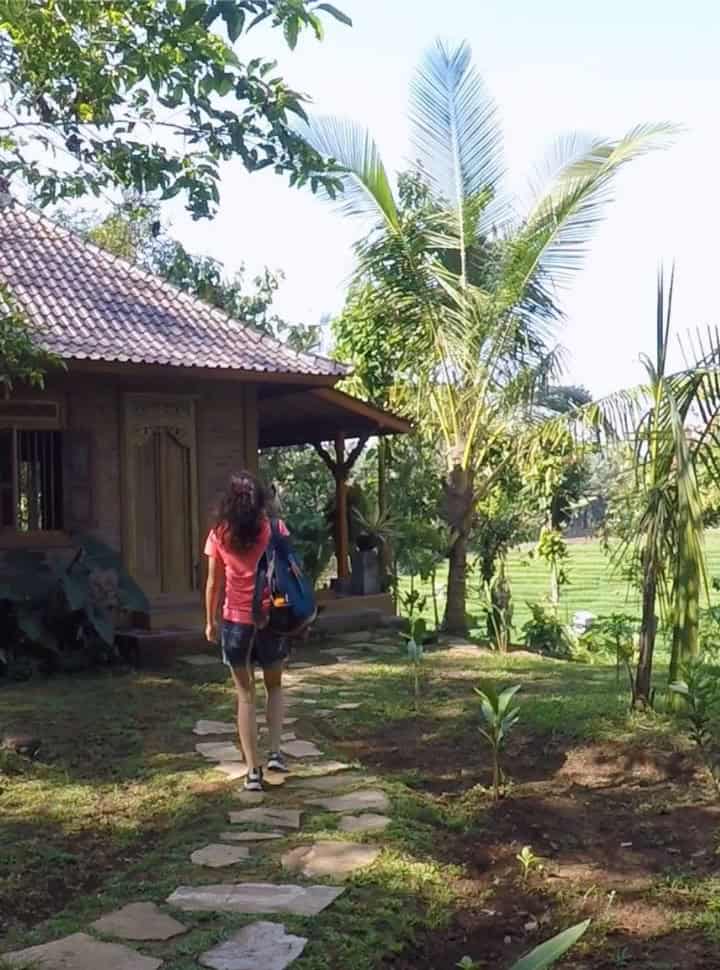
From the moment we arrived at this eco-lodge, we knew we were in for a special stay. Tucked away from the main road and surrounded by trees and rice-terraced valleys, it immediately felt peaceful and authentic.
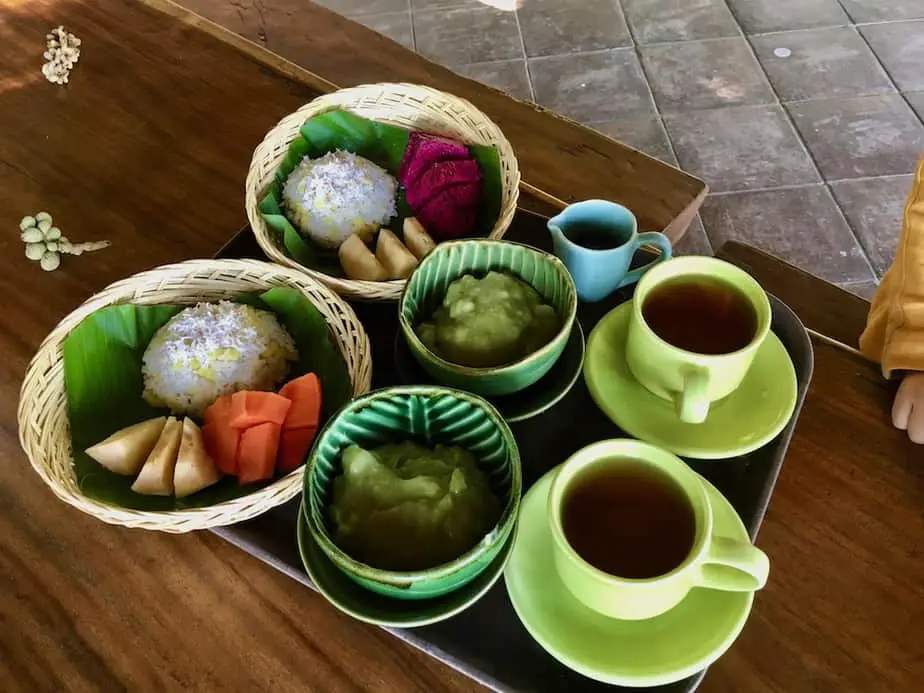
Ibu Santi and her husband, Pak Made, welcomed us as if we were old friends. Within minutes they were laughing and playing with our son. A hammock was strung between the trees for him, and while Pak Made played catch, we sipped homemade herbal tea and settled into the calm atmosphere.
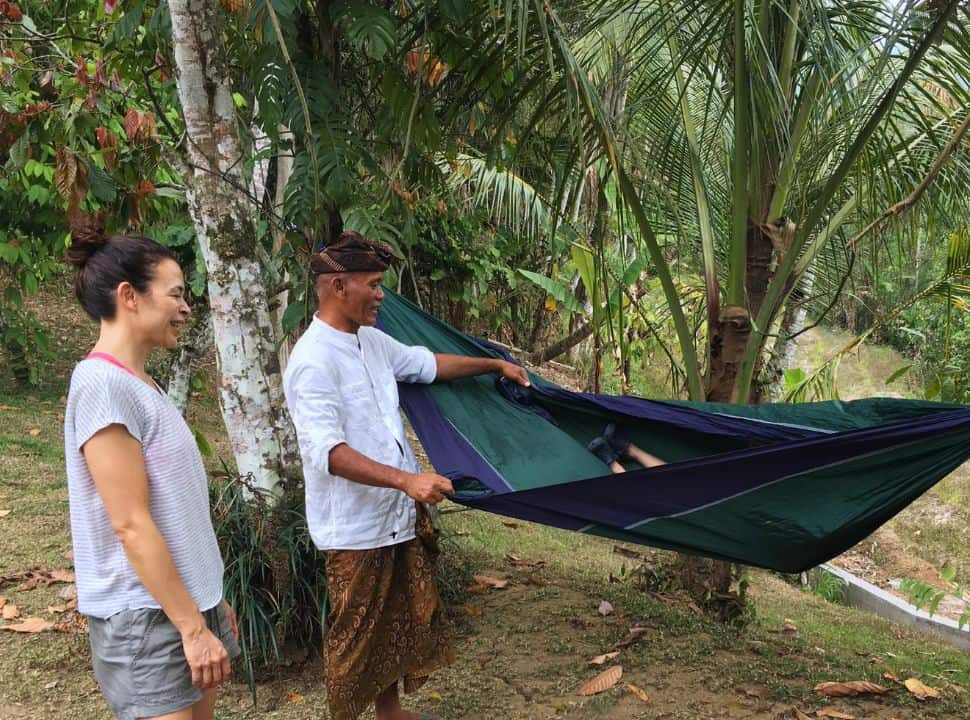
We hadn’t known exactly what to expect, but once we sat in the open pavilion, the view took our breath away. The rice terraces stretched out beautifully before us — some of the most stunning we’ve ever seen. Being able to wander through them alone, without another person in sight, felt like discovering a secret beach you get all to yourself.
The eco-lodge has 3 rooms, set behind the main pavilion. All have verandas with yet another postcard-perfect rice view. Everything was spotless, well cared for, and thoughtfully designed.
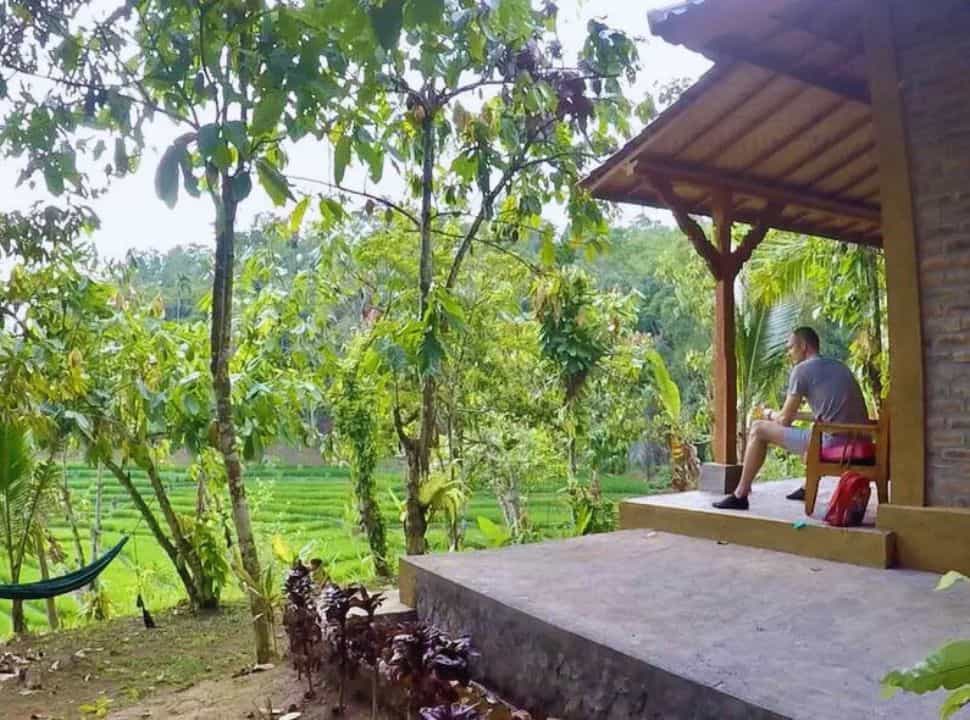
Our days quickly fell into a blissful rhythm: waking early, strolling through the rice fields, and returning to a delicious breakfast. Ibu Santi was always ready with a cuddle for our son, and her meals prepared with local ingredients were a highlight of our stay.
Families with children will feel especially at home here. The care and attention Pak Made and Ibu Santi gave our little one made his stay unforgettable — especially the moment he got to hop on the motorbike with Pak Made for a surprise ice-cream run.
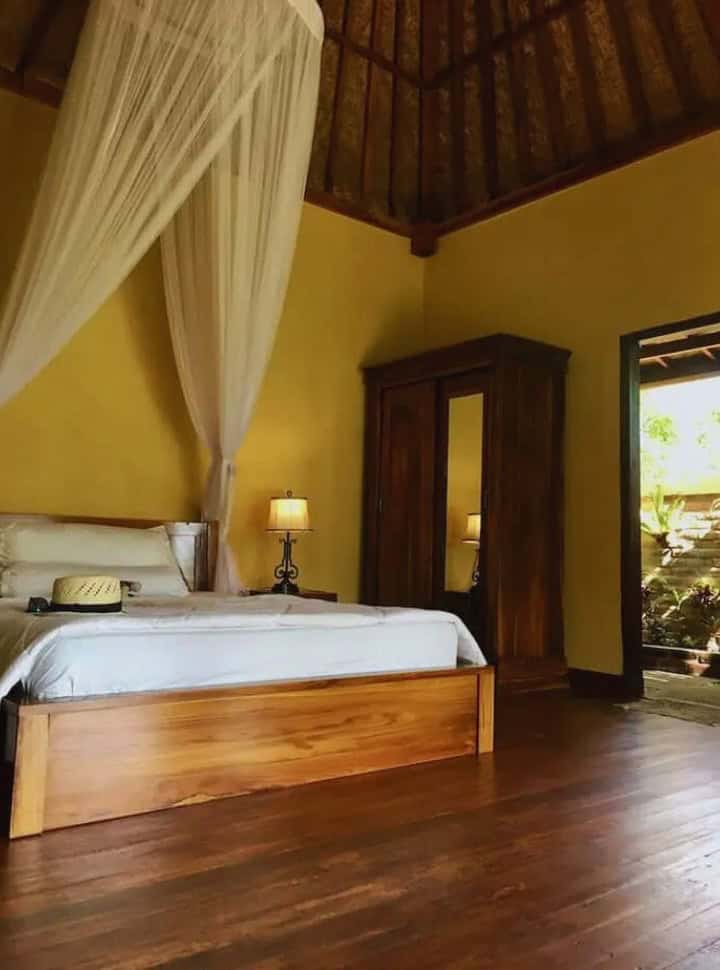
Other amazing accommodation in Batukaru:
📍 Budget Batukaru Mountain Retreat , Selemadeg- Reaching this hidden eco-resort on the western slopes of Mount Batukaru takes a bit of effort, but once you arrive at the highest village in the area, the sense of peace and closeness to nature makes it completely worth it.
📍 Mid-range Sarinbuana Eco Lodge, Blimbing – This Ecolodge is a true pioneer in sustainable travel in Bali, and we love how deeply it embraces the Batukaru environment and its local community. Surrounded by forest, with only local staff, eco-focused practices, and even its own trekking guide training program, it’s an inspiring example of what an ecolodge should be.
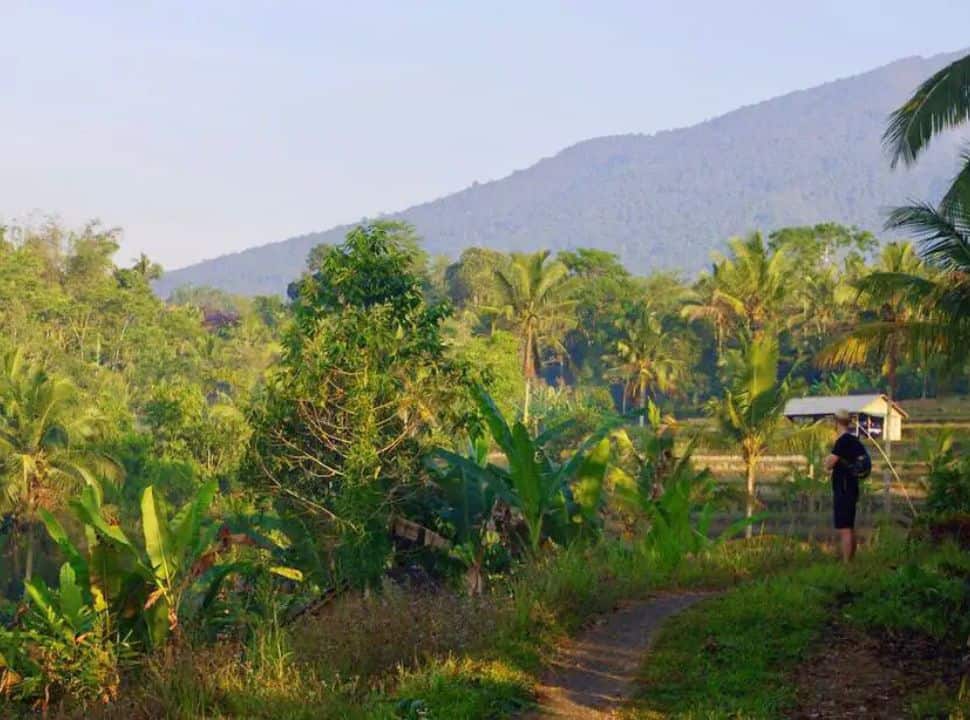
📍Mid-range: Prana Dewi Mountain Resort, Wongayagede – A locally owned eco-retreat in Wongayagede that encourages you to truly unplug — no TV or Wi-Fi, just nature, yoga, meditation, and a refreshing natural pool flowing into the rice fields. It started with just four bungalows and has grown with heart, offering a peaceful screen-detox stay only 20 minutes from Jatiluwih.
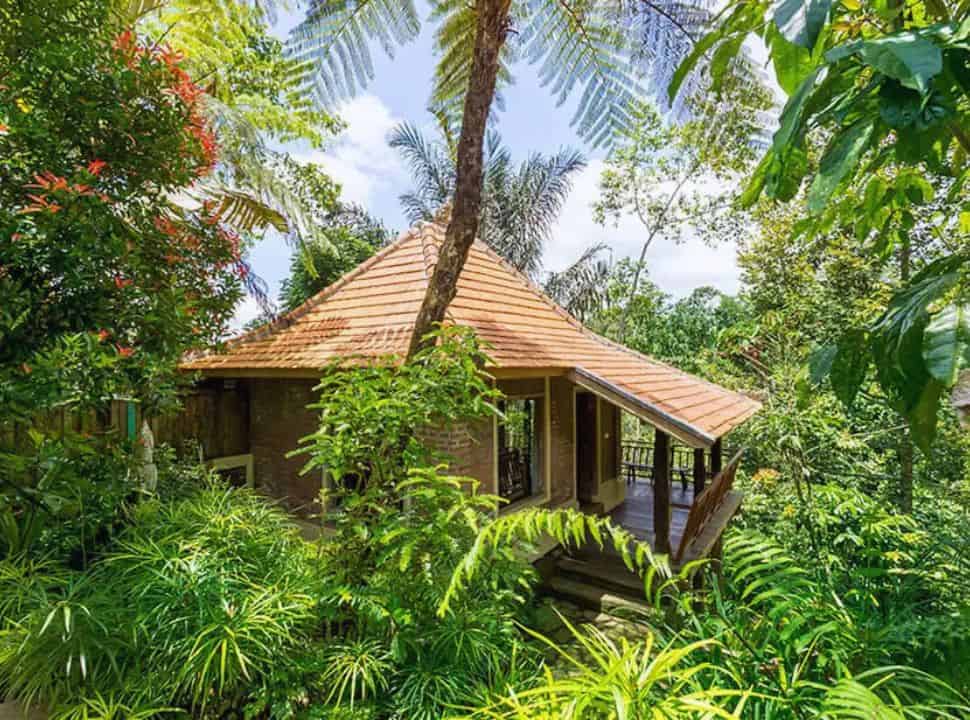
📍Luxury Bali Eco Stay, Desa Gunung Salak – a peaceful hideaway surrounded by forest and rice fields, where sustainability isn’t just a concept but a daily practice — from growing their own produce to generating their own power and honouring local culture. With a beautiful variety of bungalows and a genuine commitment to the land and community, it perfectly captures the Bali so many travelers fall in love with and want to help protect.
Wrap Up: Things to do in Batukaru Bali
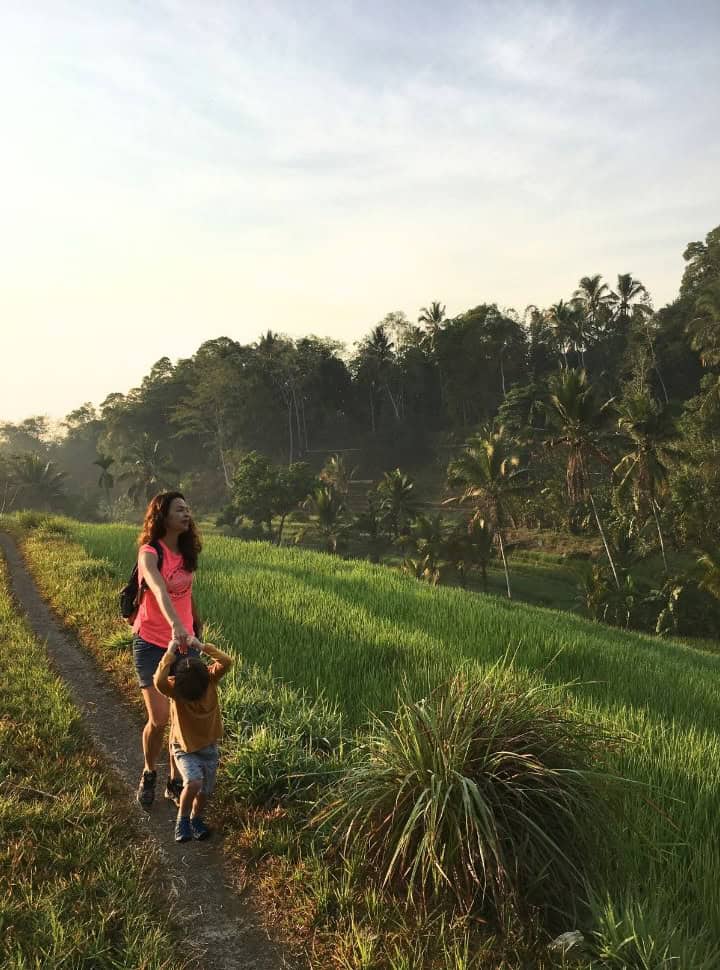
After our incredible time, we’ll be back to explore more of Batukaru for sure. Hiking to the summit may have to wait until our son is older, but discovering more of the western and eastern slopes is absolutely on our list.
We’re convinced that once you’ve experienced this area, you’ll feel the urge to return too. There’s a genuine respect here for nature and tradition; both local communities and small eco-lodges take real pride in protecting their environment. Sustainable practices aren’t just a marketing tagline — they’re part of daily life. Because of that, we don’t expect Batukaru to change dramatically anytime soon (fingers crossed).
Another reason Batukaru feels so special? The blissfully low visitor numbers. If you’re looking for a quiet corner of Bali, away from the crowds and commercial tourism, this region is a rare gem. It’s one of the best places on the island to slow down, reconnect with nature, and enjoy an authentic Balinese holiday.
Check out more travel info on Bali
Things to do in Sidemen – Bali At Its Best
Ubud Vs Sidmen – Which Destinations Is Better For You?
PIN IT IF YOU LIKED IT
Monico was born in Kuwait and grew up in Indonesia, Malaysia, and Australia, which gave her a unique perspective on the world from a young age. Her first solo travel experience took her to Indonesia, where she volunteered at an orangutan rehabilitation center, and since then, she has focused her travels on environmental and conservation projects in places like Panama and Australia. Along with her love for wildlife, Monico enjoys exploring historic European cities, swimming in the sea, and tasting street food in Asia.