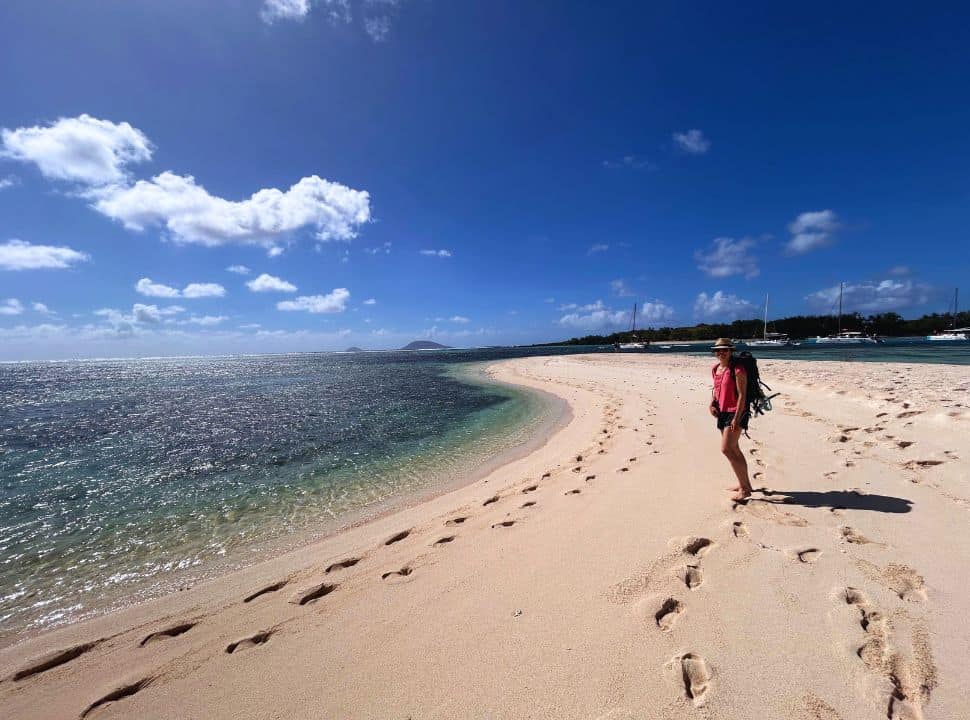
Best Time to Visit Mauritius for Sun, Fun & Savings
Let’s figure out the best time to visit Mauritius—for you.
You’ll often hear that Mauritius is a year-round destination. And sure, technically it is. When we booked our trip at the end of April—known for its warm, sunny days with the occasional rain shower—we pictured ourselves zipping around on a scooter, soaking up the sun, and hopping from beach to beach.
In our infinite optimism, we filled our two-week itinerary to the brim with beaches, hikes, and scenic rides. Not once did it cross our minds that the weather might not cooperate. We didn’t even pack a raincoat.
By day three, the rain set in. One day it was so intense that schools, shops, and even restaurants shut down. We spent that entire day riding our drenched selves from Flic en Flac to Pereybere on a soggy scooter, questioning every life decision. Let’s just say: “We wish we’d rented a car” became the catchphrase of the trip.
So, what’s the takeaway? End April isn’t bad, but it’s hit or miss—great in a car, less so on two wheels. The truth? Mauritius can be amazing all year, but the best time to go depends on your plans, your preferences, and yep, your budget.
In this guide, I’ll break it all down: when to go, what to expect, and how to make the most of your trip—rain or shine.
A Quick Overview Of The Best Time To Visit Mauritius
Best all-around: April and October-November
Best for sun: October & April
Best For Honeymoon: May, October & November
Best for beaches: Dec-April
Cheapest time: May-June (low season)
Best for hiking: May-September
Best for diving and snorkeling: October-December, March & April
Best for Whale Watching: July & November
With Kids: June, July and August
Avoid: January-February if you’re worried about tropical cyclones
Disclaimer: This post may contain affiliate links. If you make a purchase or booking through one of our links we may earn a small commission (don’t worry, it’s at no extra cost to you).
Overall Best Time To Visit Mauritius
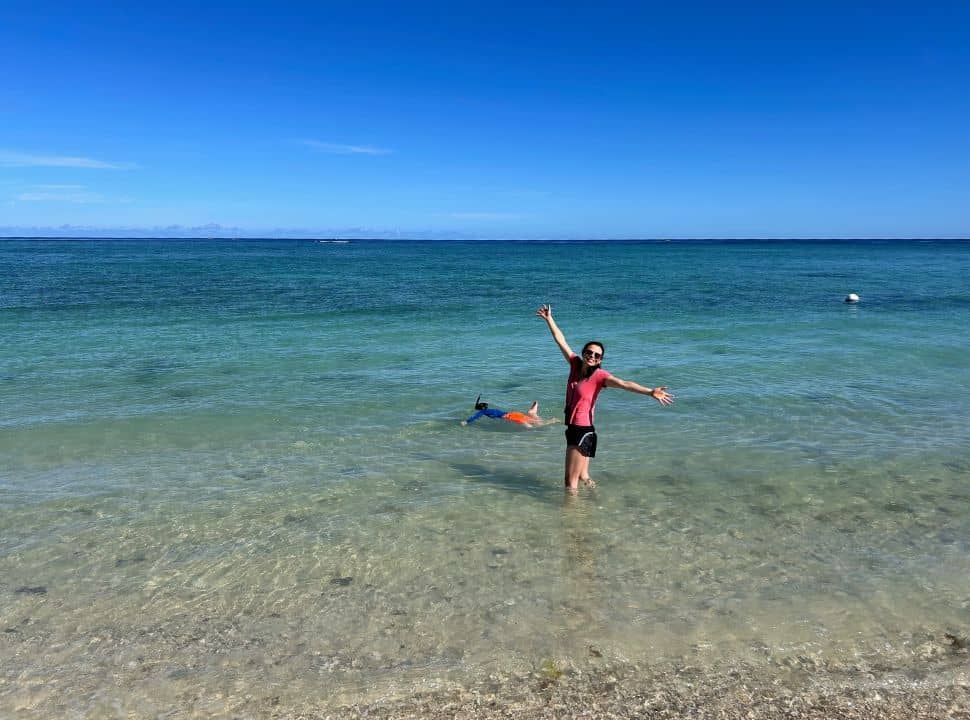
Seasons in Mauritius
Summer – November to April (warm and humid)
Winter – June to September (cool and dry)
Transitional Months – May and October (comfortable temperatures and occassional rain, October is considered the driest month of the year))
Months with the most rain – January, February (= wettest month of the year) and March
Months with most wind – July and August especially in the South and East Coast
Let’s start with the best time to visit this paradise island—the kind of timing that checks all the right boxes: sunny days, reasonable prices, and fewer crowds. That perfect window? April, and then again from October through early November.
These are known as the island’s transitional months, offering just the right balance. The weather is pleasantly warm, with comfortable warm temperatures peaking around 29°C/ 84°F — not too hot, the perfect time for exploring or lounging by the sea.
Accommodation prices are more budget-friendly, and with fewer tourists around, you might just find yourself with a quiet, secluded spot on the beach. Tempting, right?
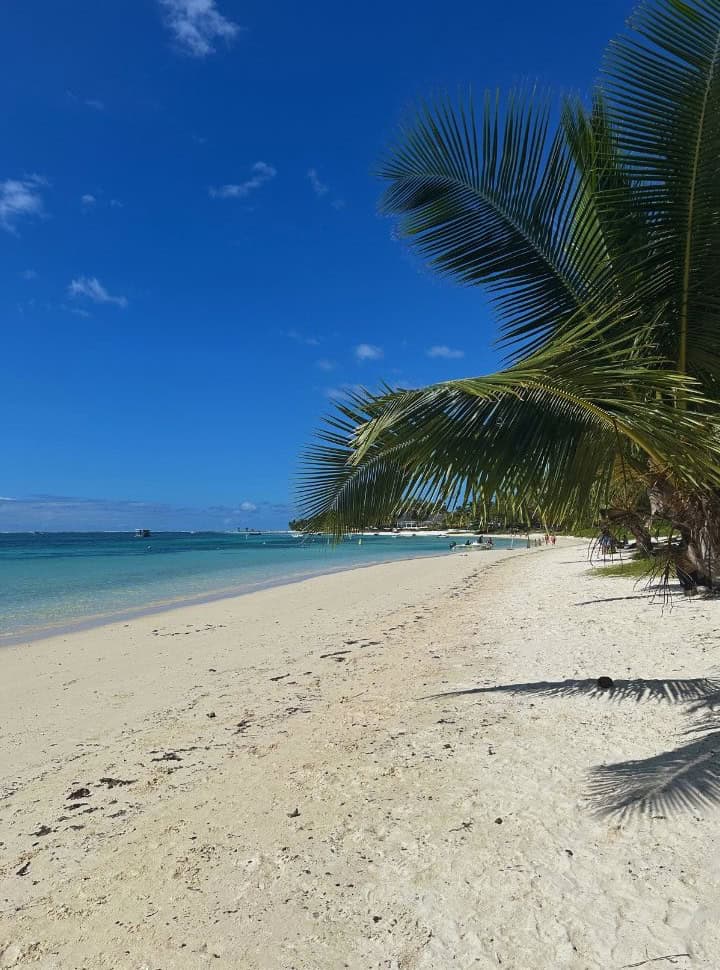
In these specific months you can expect:
- blue skies
- average temperatures around 70s to mid-80s °F
- limited (occassional) rainfall
- warm waters ideal for swimming
- fewer trade winds on the south coast
- great deals on accommodation and flights
Of course, no matter where you are in the world, the weather likes to keep us on our toes—and this island is no exception. So it’s always a good idea to stay flexible. Check the forecast the day before, and plan your activities accordingly. A little spontaneity never hurts, especially when the beach is calling one day and a cozy café or spa visit the next.
Coolest and Warmest Time to Visit
Mauritius is located in the Southern Hemisphere, which means its seasons are the opposite of those in Europe and North America. So while it’s summer in the Northern Hemisphere (June to August), Mauritius is in the middle of its cooler, drier winter. Likewise, when it’s winter up north (December to February), it’s peak summer down on the island—warm, sunny, and perfect for a tropical escape.
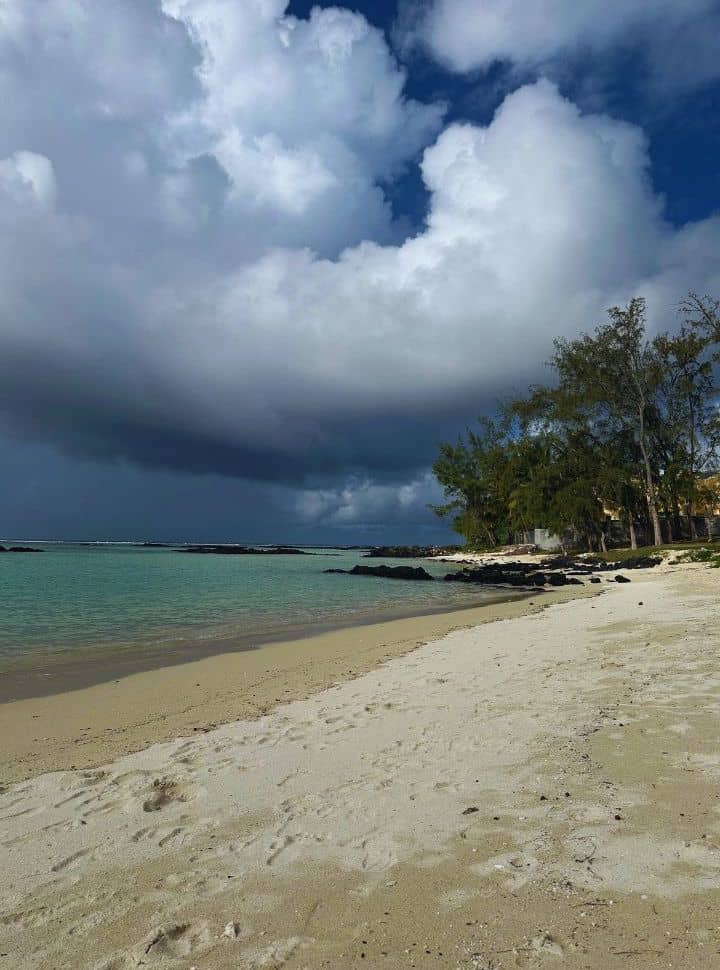
If you’re dreaming of that true tropical vibe—think lazy days on the beach, warm sunshine, and endless dips in crystal-clear water—then the hotter months are your best bet. This is the time to fully embrace island life.
- Warmest: December to February
- This is summer season with high temperatures and humid climate
- Warmest months for water temperature, ideal for water sports
- Expect some heavy showers and the possibility of tropical cyclones
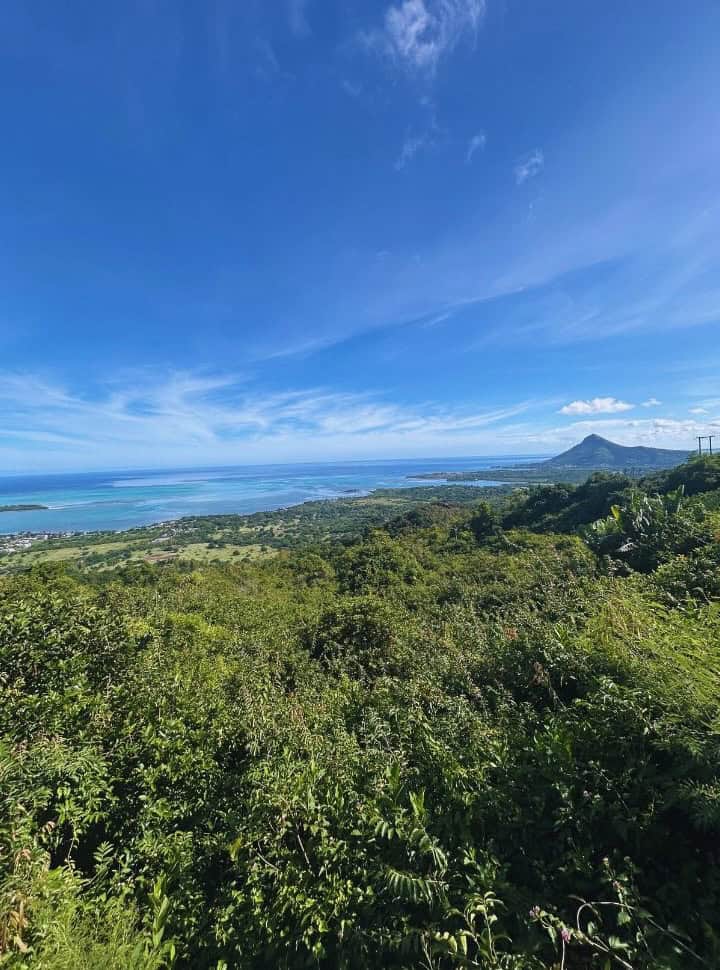
So, when’s the best time to visit if you’re into hiking, exploring cultural sites, and soaking up the energy of Port Louis? Aim for the cooler, drier months—perfect for hitting the trails without melting in the heat. Just a heads-up: by the end of the winter season, some waterfall pools might be a little shy on water, so plan accordingly!
- Coolest: June to August (Mauritian winter months)
- Cooler temperatures, especially in the central plateau
- Great time for hiking and outdoor exploring
- Lower humidity levels, with dry breezes
Best Time To Visit Mauritius For Sun
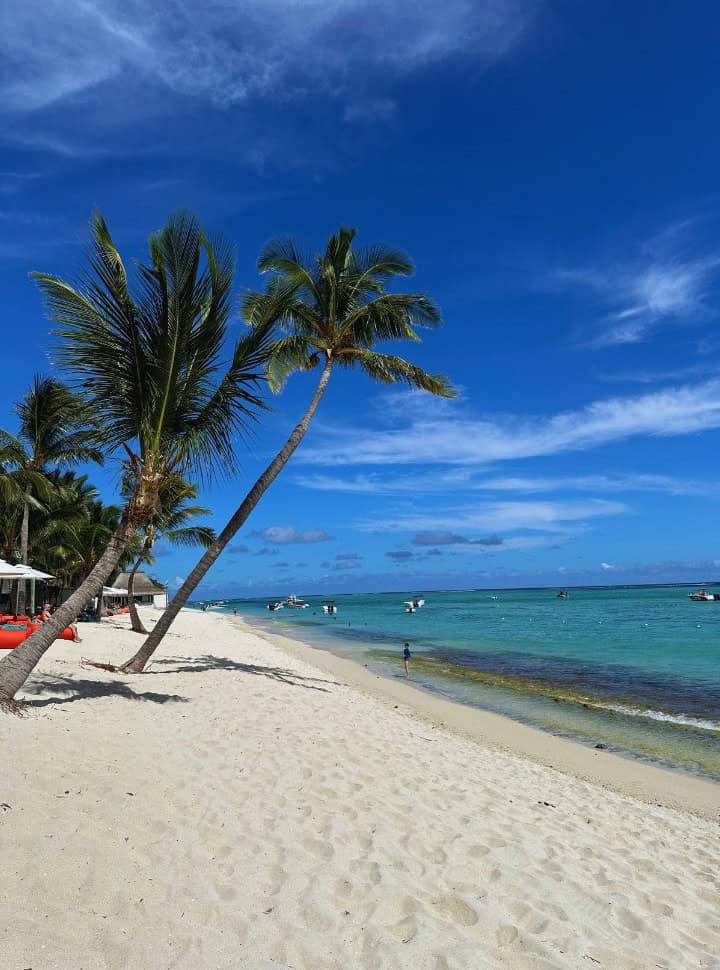
The moment we saw those photos—white sandy beaches, swaying palms, and water so unreal it looked photoshopped—we knew we had to go. After months of gloomy Dutch winter, Mauritius felt like the perfect place to top up our vitamin D reserves.
If you’re after that sun-drenched, postcard-perfect experience—sparkling turquoise waters and warm beach days—plan your trip between October and April.
In these specific months you can expect:
- Long hours of sunshine
- Mostly clear skies on the west coast and north coast
- Warm ocean breezes perfect for lounging
Be mindful of the wet season from January to March, but showers usually pass quickly.
Best Time to Visit Mauritius For Honeymoon
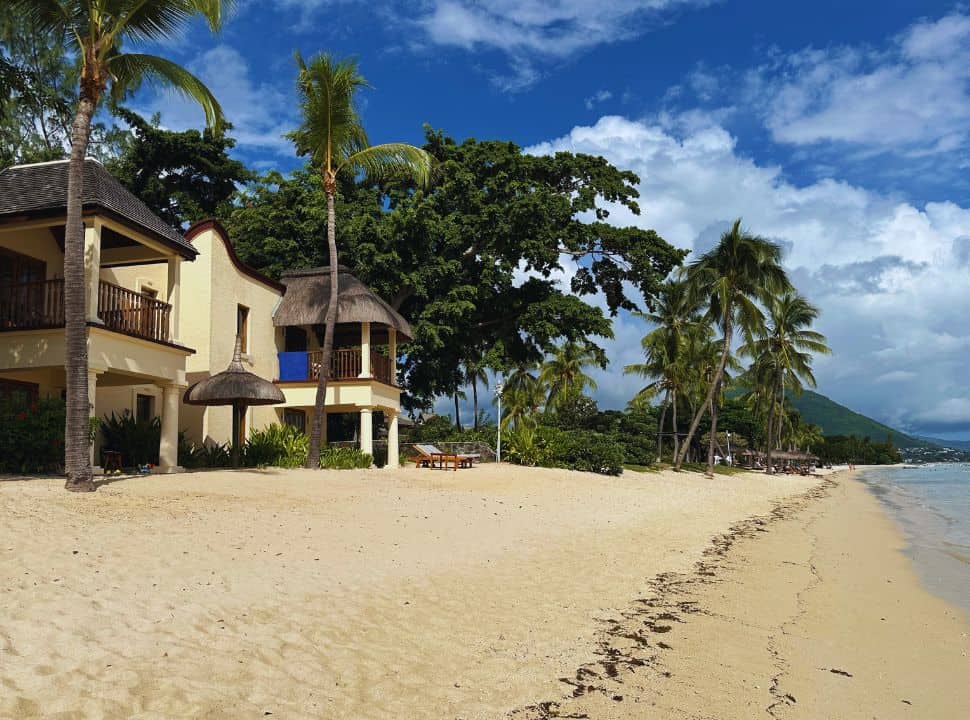
We’ll be honest—we’ve never actually been on a honeymoon, so we’re not claiming expert status here. But for a romantic escape? We’d definitely splurge a little on the accommodation, soak up the peace and quiet (ideally outside of school holidays—no offense, kids, but you do bring a different kind of energy), and spend our days lounging comfortably with a cold tropical drink in hand, preferably without melting in the heat.
If that sounds like your kind of honeymoon—or just a special getaway with your favorite person—then we’d recommend going in May, October, or November.
In these specific months you can expect:
- Less humidity = more comfort
- Affordable luxury resorts in the north of the island and western coast
- Dry season landscapes at their best (especially in May when the dry season just started and vegetation is lush)
Best Time to Visit Mauritius For Beaches

If it’s all about the beaches for you, then Mauritius is your dream destination. During our two-week road trip around the island, we visited countless beaches—and honestly, they all ended up on our favorites list. They’re that stunning.
For the ultimate beach experience, aim for December to April. Yes, it’s peak season, so prices can be a bit higher—but if the beach is calling, sometimes you just have to answer.o…
In these specific months you can expect:
- The water temperature is perfect
- You’ll see fewer strong winds on the south coast
- Beach towns like Le Morne and north coast villages are buzzing
Tip: book flights and accommodation early to avoid the most expensive time rates.
Best Time to Visit on a Budget
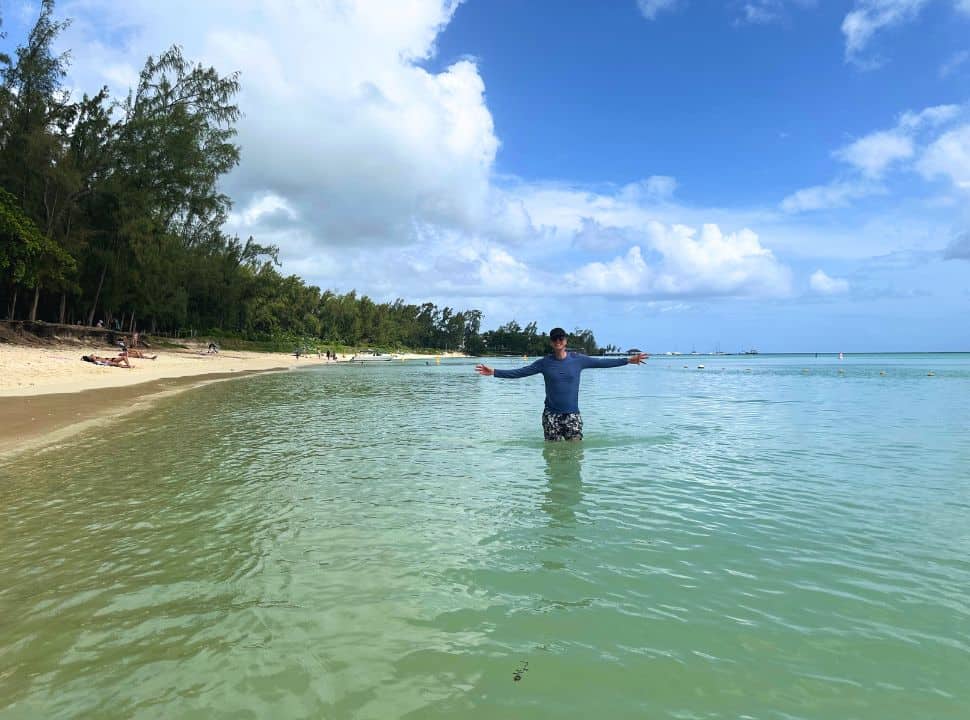
If you’re dreaming of Mauritius but your wallet’s feeling a little shy, don’t worry—it is possible to enjoy this island paradise without breaking the bank. We managed to keep our trip affordable with a bit of planning, and honestly, it made the experience even more rewarding.
The sweet spot for budget travelers? May to early October. This is the island’s low season, which means lower prices on flights and accommodation, fewer tourists, and more room to breathe (and bargain).
In these specific months you can expect:
- Great deals on hotels, guesthouses, and car rentals
- Pleasant temperatures, especially for exploring and hiking
- A more laid-back vibe in towns and tourist hotspots
- Some windy days on the east coast—pack a light jacket!
Tip: Want to enjoy Mauritius without draining your bank account? Check out how much we spent on our trip—plus our top tips for making the most of your holiday without blowing the budget.
Best Time To Visit Mauritius For Hiking

Love hiking? Then you’re in luck—Mauritius offers some incredible (and at times challenging) trails that reward you with breathtaking views or even a waterfall at the finish line.
Whether it’s climbing Le Morne Brabant for sweeping ocean panoramas, trekking through the lush Black River Gorges, or chasing all seven waterfalls at Tamarind Falls, there’s no shortage of adventure.
For the best hiking conditions, plan your trip between May and September. Rain can really change the game—especially in the mountains. We learned that the hard way when we had to cancel our hikes to Tamarind Falls and Eau Bleue due to heavy rain.
In these specific months you can expect:
- Cool, dry conditions with low humidity levels
- Trails are safer and easier without mud
- Crisp views and refreshing breezes
Avoid humid months like January—unless you’re into steamy jungle treks.
If you want to go on a guided tour, there are dozen of great ones that will take you up Le Morne Mountain, Tamarind Falls and through Black River Gorges National Park. Check out the many great hiking tours here.
Best Time To Visit For Diving and Snorkelling
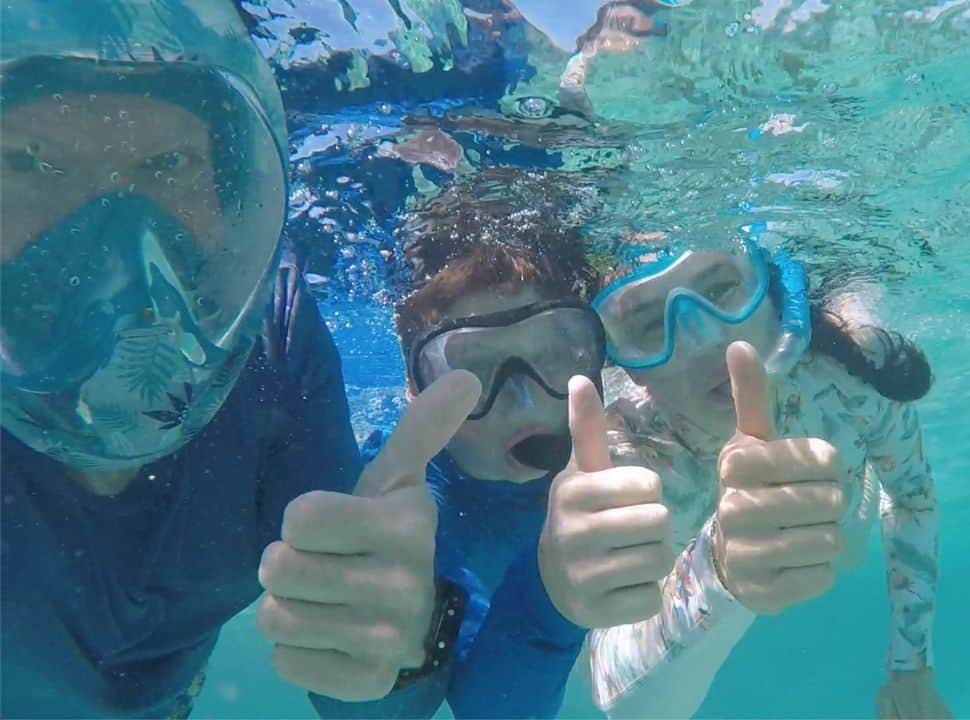
The island is spectacular, but it’s underwater world shouldn’t be missed. There are many diving operators available to take you out to the best diving spots. While catamaran day trips to Ile Aux Cerfs and the Northern islands are ideal if you love snorkelling.
If you want the best conditions to admire the underwater world, go between October and December, or March and April.
In these specific months you can expect:
- Clear waters
- Calm seas (especially on the east coast)
- High visibility with tons of marine life
Avoid going on a diving trip during the wet cyclone season (November to May), when visibility tanks and tides get tricky.
Best Time To Visit Mauritius For Whale Watching
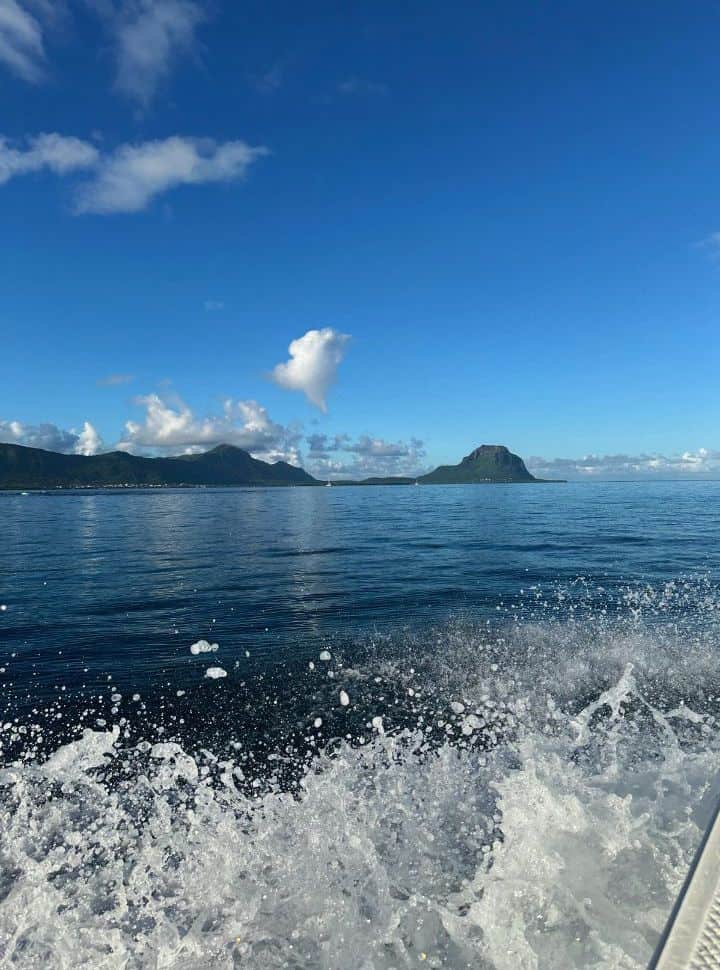
Mauritius offers whale watching opportunities year-round, but the absolute best time to go is between July and November. This is when you’re most likely to see majestic humpback whales as they migrate through Mauritian waters. Sperm whales, on the other hand, can be seen throughout the year.
Spotting whales in the wild had been on our bucket list for ages, so you can imagine how excited we were to find out it’s possible in Mauritius. But when we arrived at the end of April, beginning of May, we found out from several tour operators that sightings during that time were pretty unlikely.
In the end, we decided not to gamble $300 for the three of us on what could’ve just been a bumpy boat ride with no whales in sight. Instead, we opted for dolphin watching—which, thankfully, is possible all year round. And honestly? It was magical in its own right.
To Experience An Unforgettable Encounter With Dolphins, Book Your Tour Here
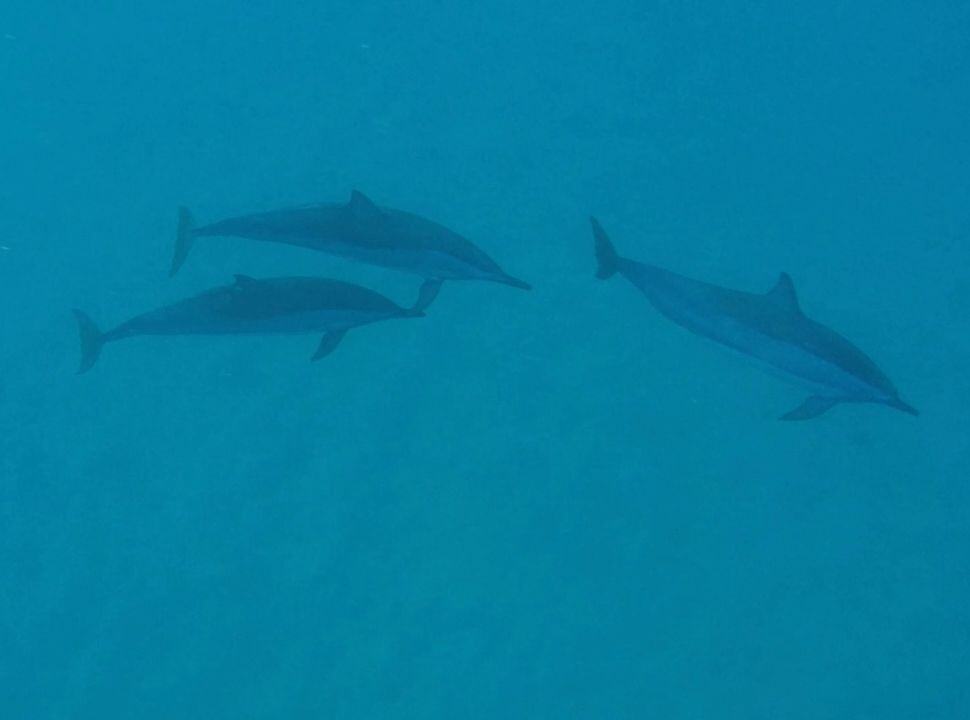
But if you want to see whales for sure, make sure you go in July and November
In these specific months you can expect:
- A higher chance of spotting humpback whales
- Calmer sea conditions in the early morning (ideal for boat trips)
- Cooler, drier weather that’s perfect for being out on the water
- Tours departing mainly from the west coast (Tamarin and Black River)
Tip: Book your whale-watching tour early in your trip—weather can shift, and it gives you flexibility to reschedule if needed. And always go with a responsible operator that prioritises marine conservation.
You are allowed to swim with the dolphins, but not with the whales.
Best Time To Visit Mauritius With Kids
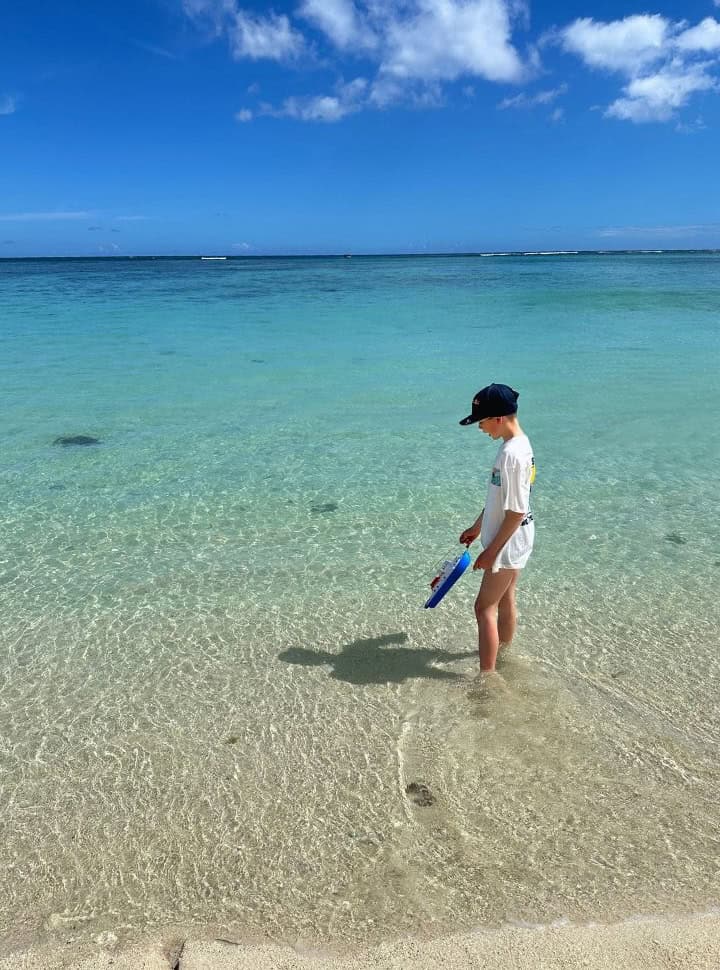
Our son fell head over heels for Mauritius—and honestly, we can’t blame him. He couldn’t get enough of the beaches, especially the snorkeling. He also loved the delicious Indian food, sipping fresh coconuts, and meeting the incredibly friendly locals. Plus, the island is clean, safe, and super comfortable—perfect for families.
When it comes to school holidays, most kids get two long ones: Christmas and summer. If you have to pick one, we’d definitely recommend going in the summer. June, July, or August are ideal for a fun, family-friendly escape. The winter in Mauritius is the best season for kids to enjoy.

However, avoid staying on the east coast of the island during July and August. That’s when the southeast trade winds, known locally as the “Southeast Alizé”, sweep across that side of Mauritius. They can bring strong, steady winds that make the beaches less enjoyable and the sea a bit too rough for little ones to swim safely.
For calmer waters and more kid-friendly beach days, stick to the west or north coast during this time—it makes a big difference!
In these specific months you can expect:
- Cool enough for comfort
- Outdoor activities like hiking, wildlife parks, and swimming are all accessible
- Avoids the heat and humid weather of the peak summer months.
Conclusion: Best Time To Visit Mauritius?
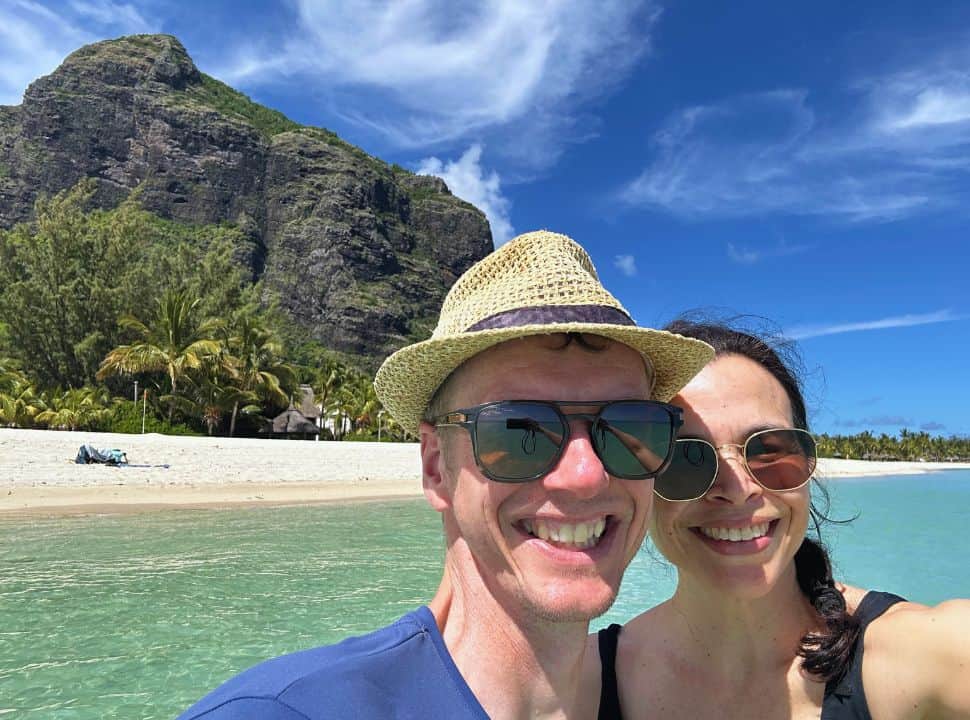
Mauritius is a year-round gem, but choosing the right time to visit really comes down to what you want to do, the kind of weather you enjoy, and how kind you’d like your trip to be on your wallet.
We did get caught in the rain—more than once—and let’s just say we were not prepared. We imagined sunshine and scooter rides, but reality looked more like us soaked, sheltering under questionable rooftops, and skipping a few must-see sights. In hindsight, renting a car would’ve been a much smarter (and drier) choice.
I was especially hoping to visit Tamarind and Eau Bleue waterfalls, but mountain rain had other plans. So, our advice? Check the weather patterns before you go, plan accordingly, and prepare for a little flexibility. Because even though we didn’t make it to those waterfalls, we for instance ended up discovering La Prairie beach—completely by chance—and it turned out to be one of our favorite spots. Sometimes, the detours are the real highlights.
Want to know where we recommend staying in Mauritius? Continue reading here and find out the best places to stay for any type of traveler.
PIN IT TO SAVE IT
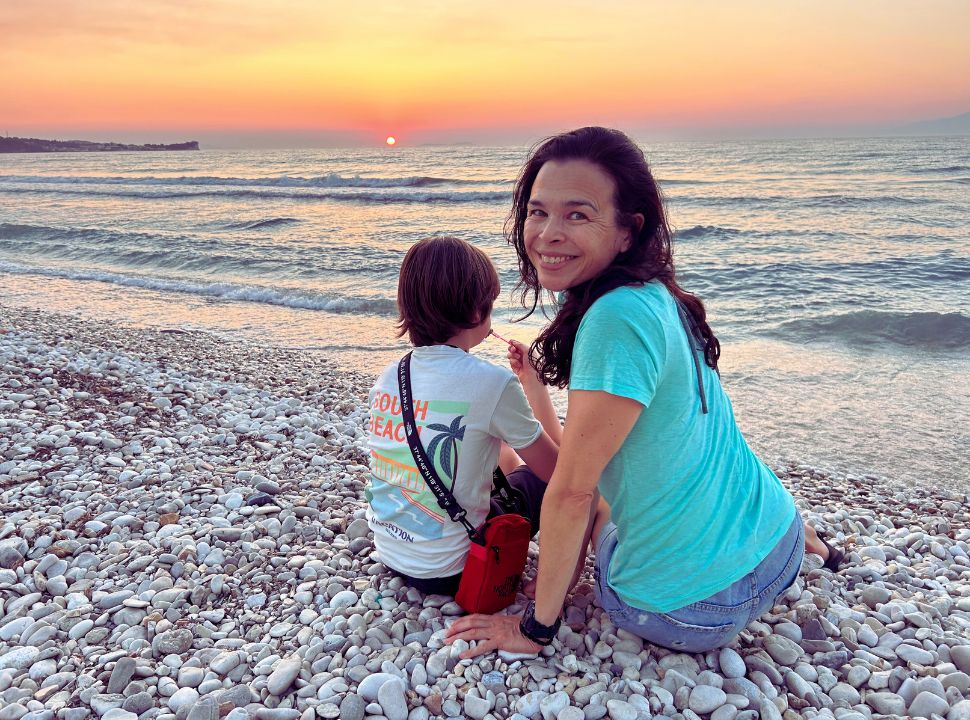
Monico was born in Kuwait and grew up in Indonesia, Malaysia, and Australia, which gave her a unique perspective on the world from a young age. Her first solo travel experience took her to Indonesia, where she volunteered at an orangutan rehabilitation center, and since then, she has focused her travels on environmental and conservation projects in places like Panama and Australia. Along with her love for wildlife, Monico enjoys exploring historic European cities, swimming in the sea, and tasting street food in Asia.